5EPA0 Electromagnetics I
- Area: Electromagnetics and Waves
- Topics: Vector Calculus · Maxwell Equations · Magnetic Circuits and Transformers
- Related courses: Electromagnetics II - 5EPB0 · Electromechanics - 5EWA0
Gauss Divergence Theorem: https://www.youtube.com/watch?v=zZqxbwl3Dno | https://www.youtube.com/watch?v=pY4t-ikhzhU
Stokes Theorem: https://www.youtube.com/watch?v=0UvNF_cfBJ4
Boundary Conditions (normal and tangential components):
https://www.youtube.com/watch?v=_FS6csrxBPU
https://www.youtube.com/watch?v=vlNUGyDzJ90
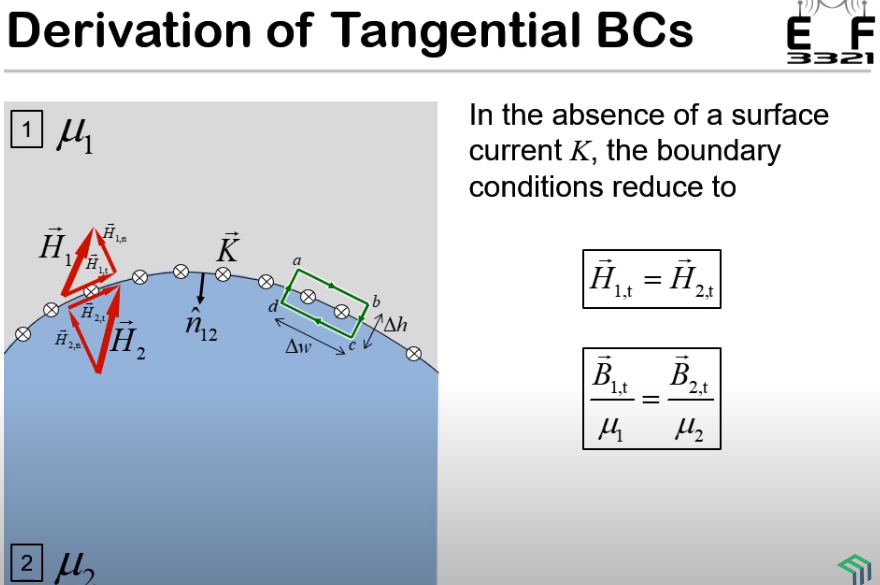
Tangential Magnetic Field Boundary Conditions
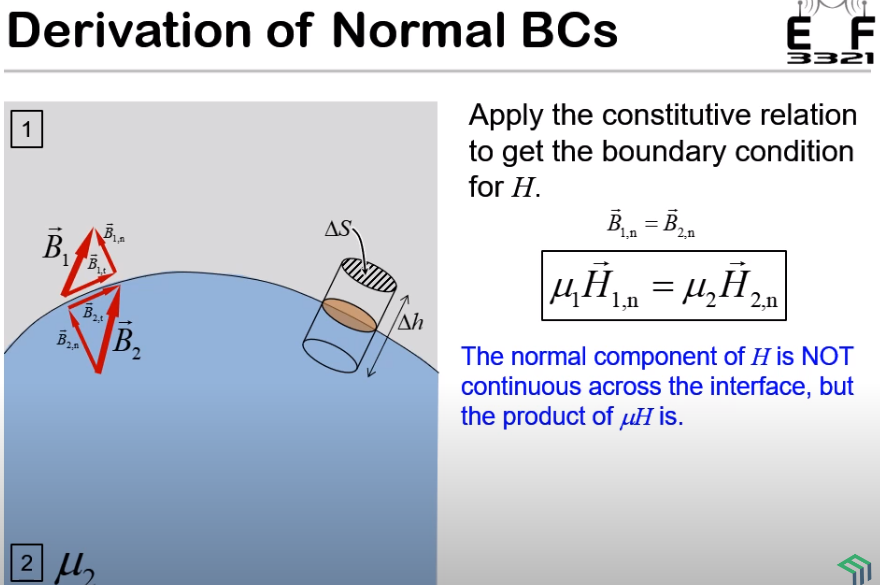
Normal Magnetic Field Boundary Conditions
https://www.youtube.com/watch?app=desktop&v=MPzdh9ZshLI
Lorentz Force: https://www.youtube.com/watch?v=grgNdIYP6zI
Hall Effect: https://www.youtube.com/watch?v=1OZCWetFCps
Lenz Law: https://www.youtube.com/watch?v=u7Rg0TcHQ4Y
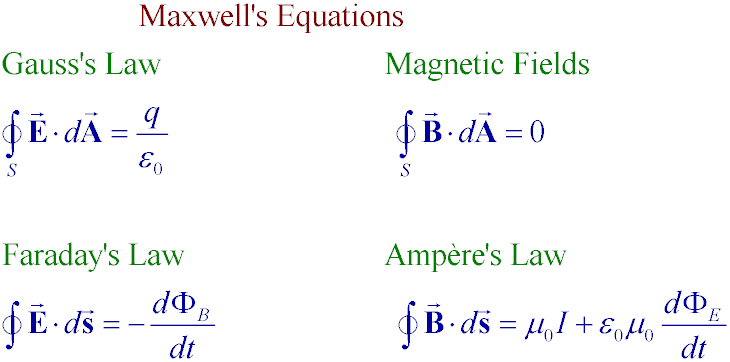
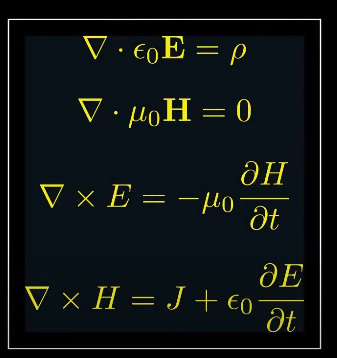
Maxwell Equations: https://www.youtube.com/watch?v=hJD8ywGrXks
Motional & Transformer EMF: https://www.youtube.com/watch?v=Xi_wZ1IYLo8
flux: https://www.youtube.com/watch?v=m1PPujngqAw
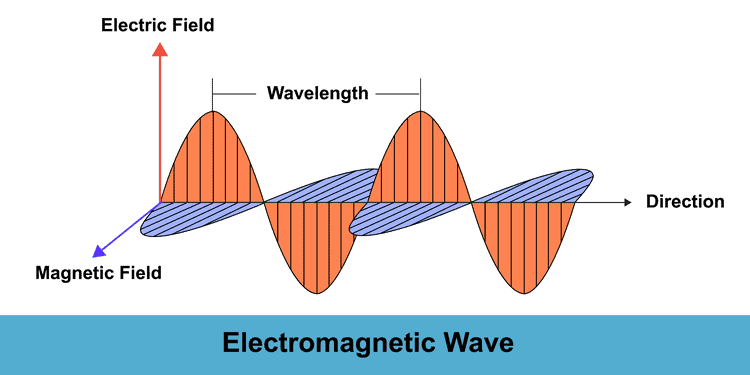
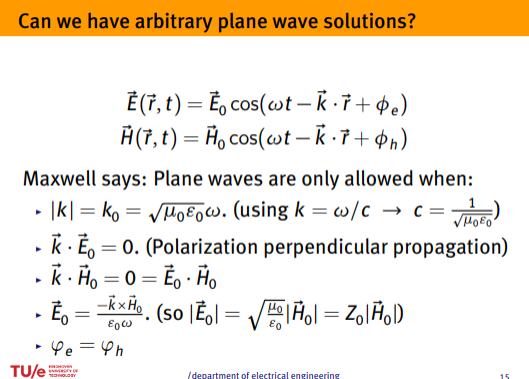
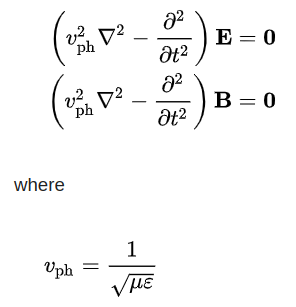
Electromagnetic Wave Equation in Free Space
What Is a Plane Wave?
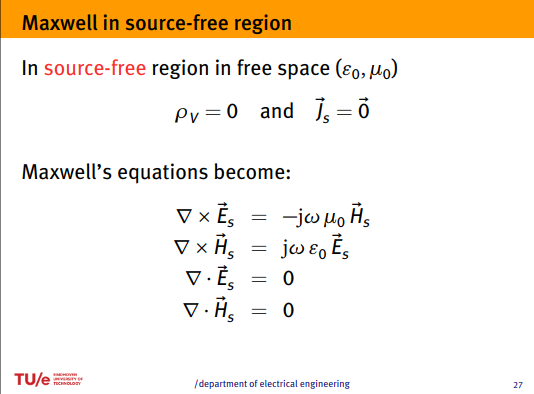
Here’s What Maxwell’s Equations ACTUALLY Mean.
Mathematical Tools
Topic: Vector Calculus
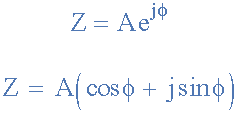
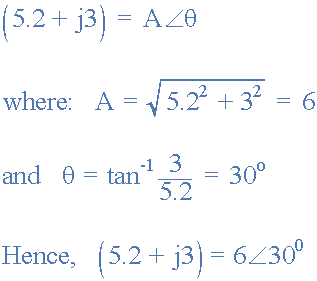
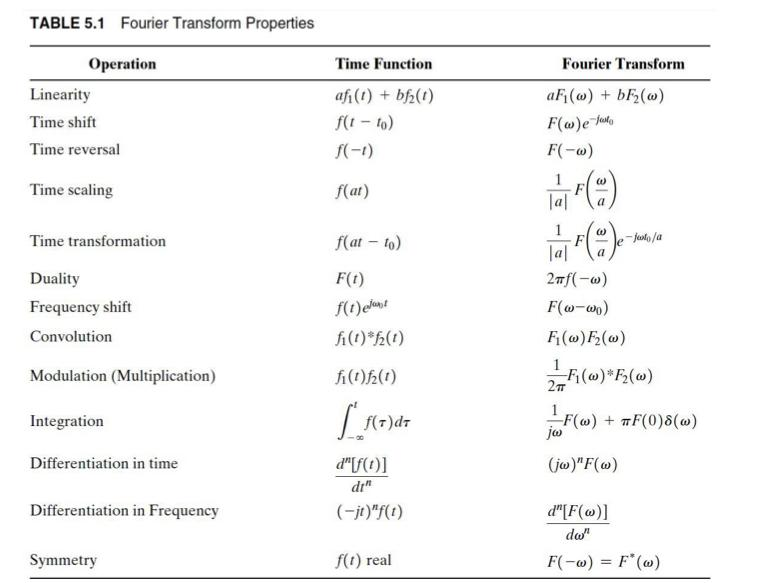
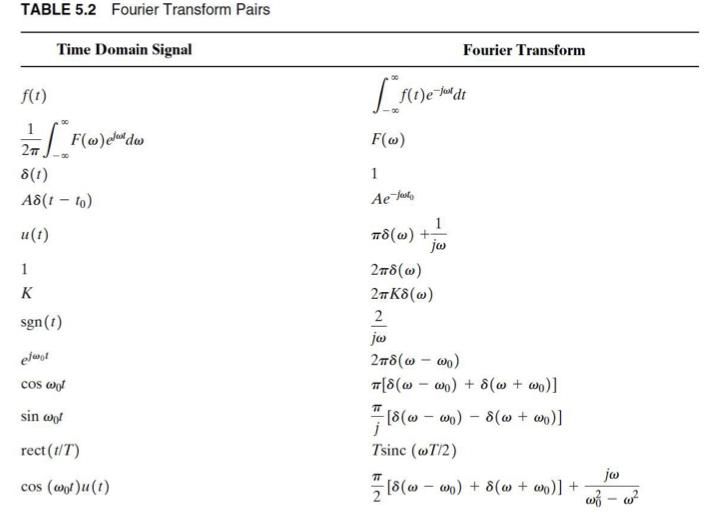
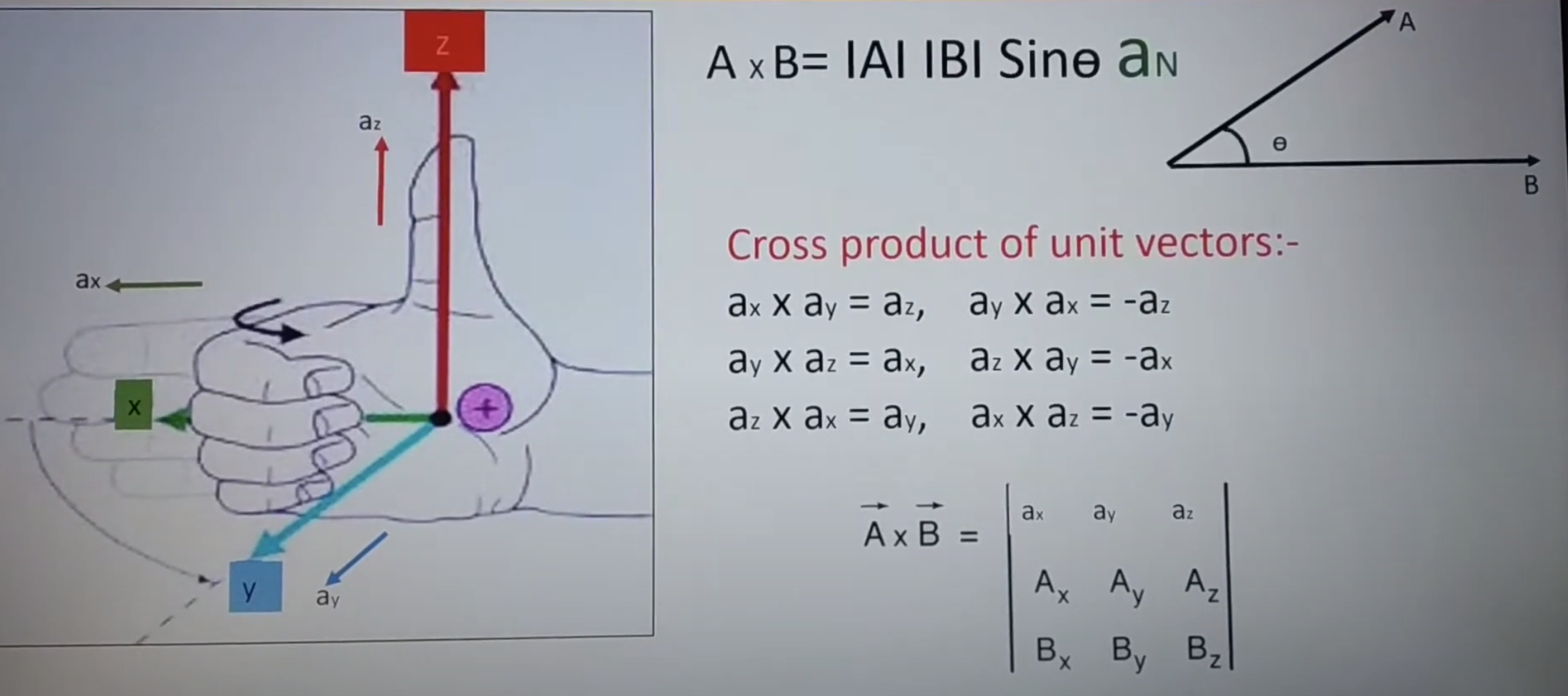
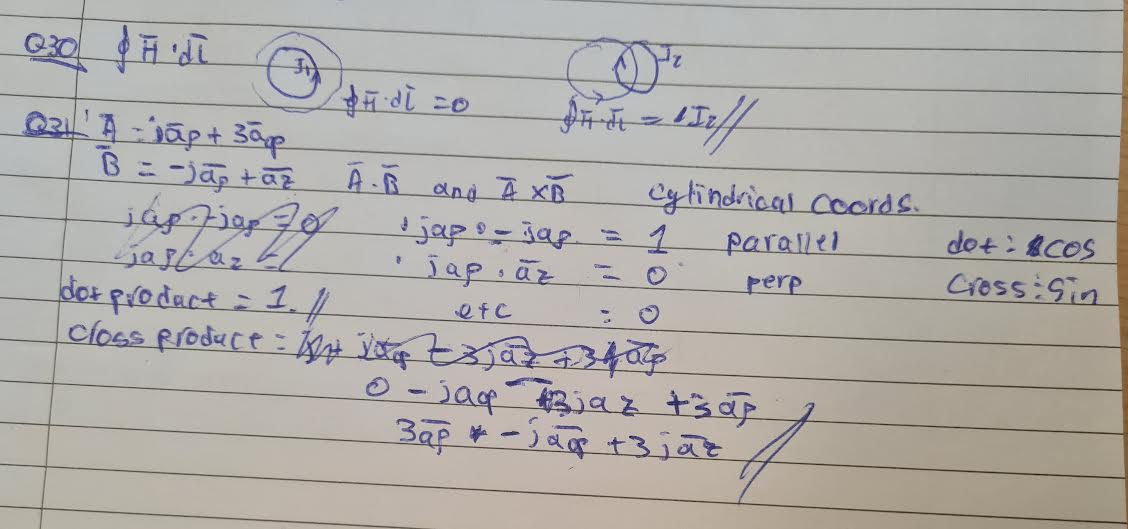
Vector calculations for EM shapes
- Dot product: cos
- Cross product: sin
- So think if things are parallel or perpendicular to each other in the plane, if its 0 or 1
- take into account the direction for negative/positive
- For angles clockwise → positive
means a is thumb and b is point finger, middle finger is the output vector you get the + or -
GEOMETRY
Cylinder: Area:
Volume:
Sphere: Area:Volume:
Circle: Area:Circumference:
- unit vector, vector divide by distance
Two Points
Distance:
Line through two points:
Projection: A onto B
Dot Product - Scalar
Dot Product of Unit Vectors
as they are unit vectors
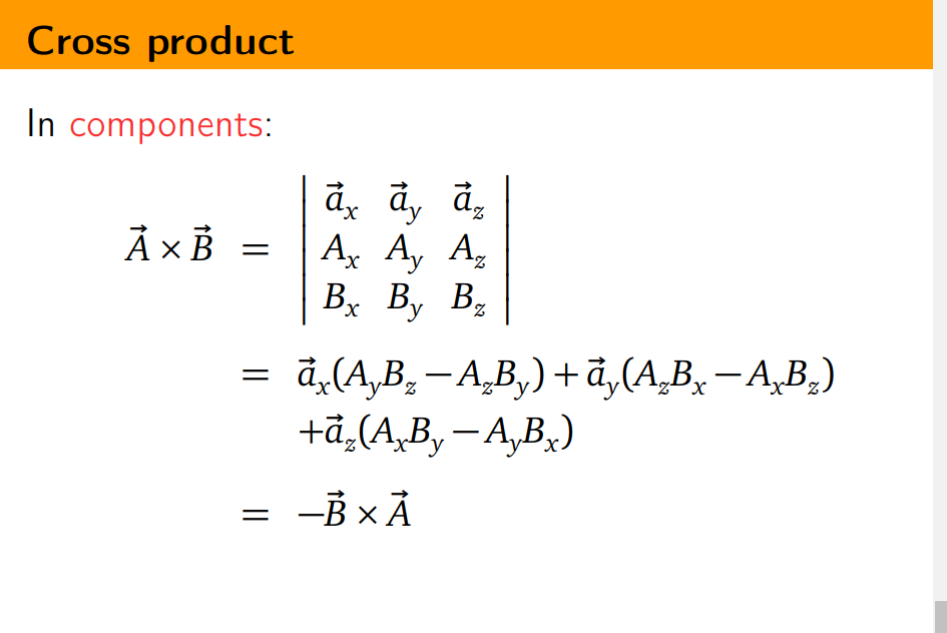
Cross Product - Vector
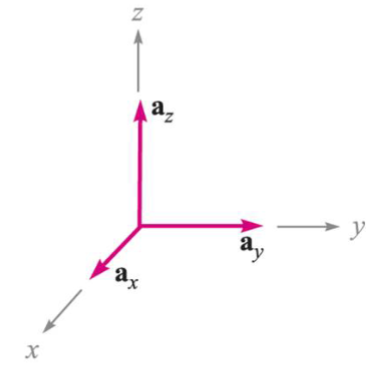
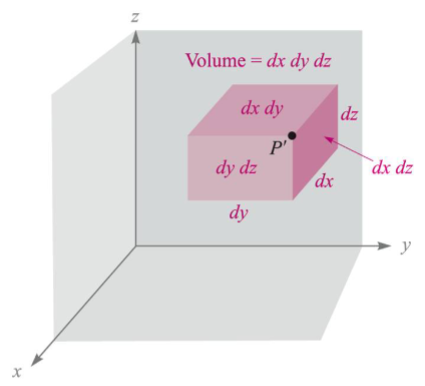
Cartesian Coordinates
Unit vectors:
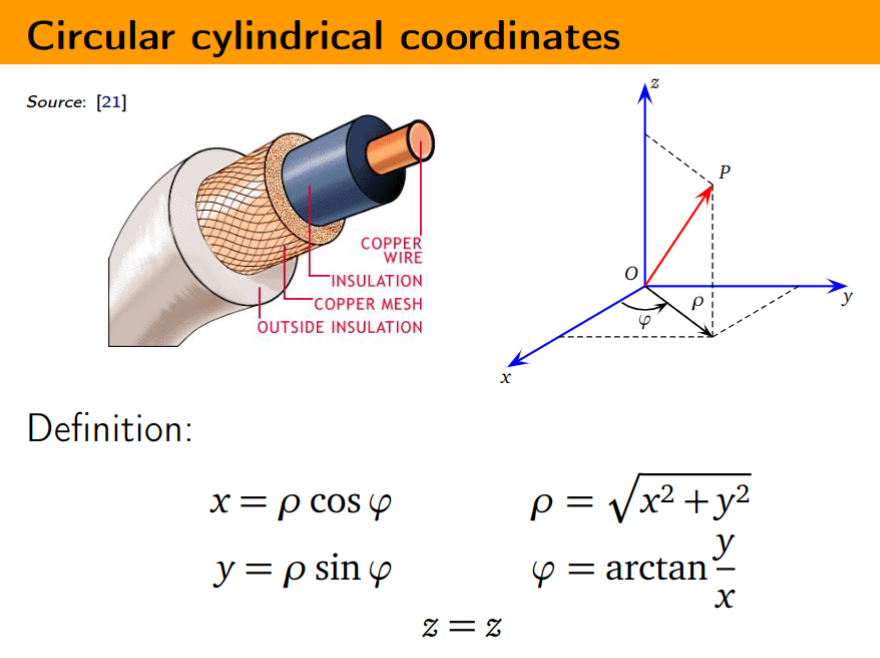
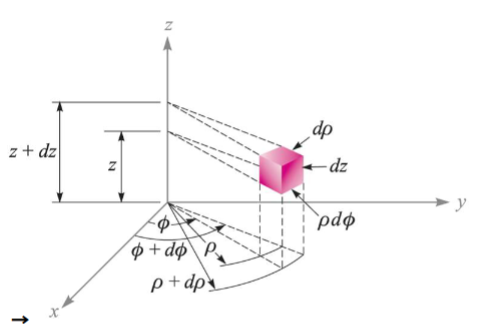
Circular Cylindrical Coordinates
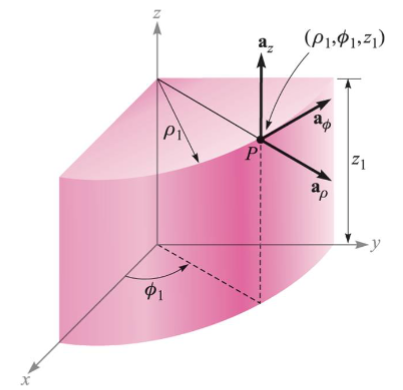
Unit vector:
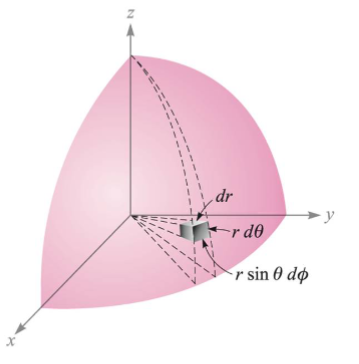
Spherical coordinates
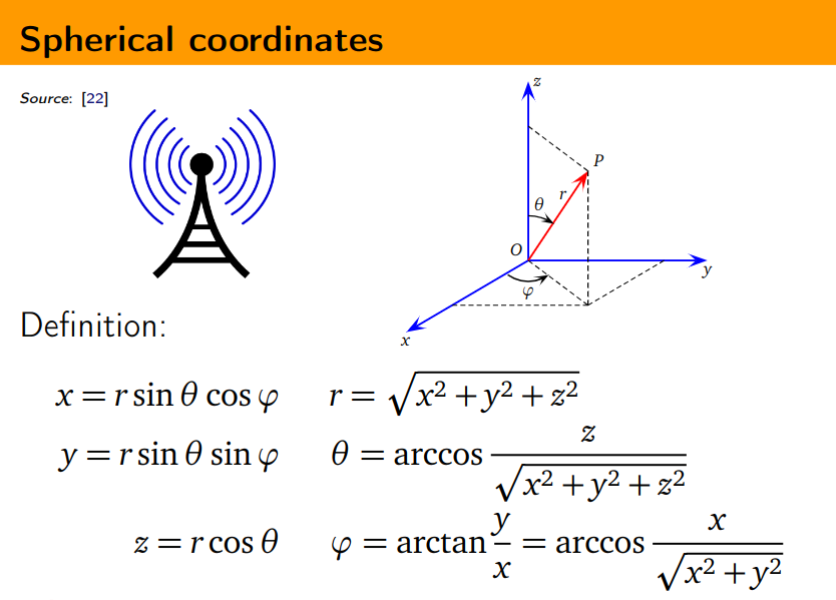
Unit vectors:
Electrostatics
Topic: Maxwell Equations
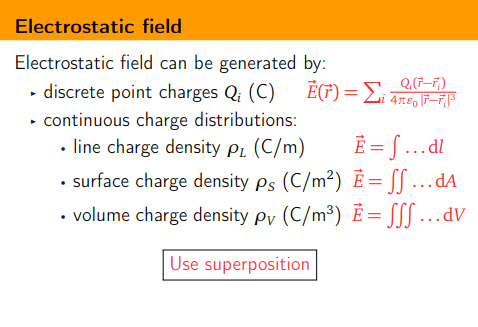
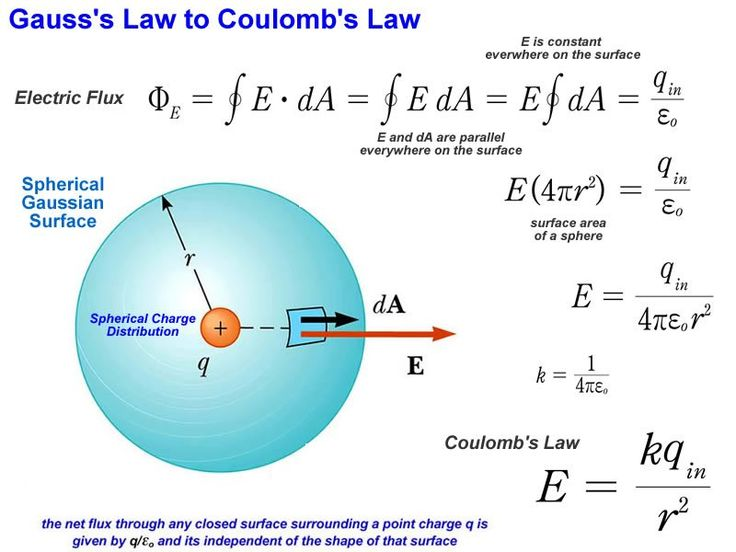
- Total flux going through a closed surface = total charge inside that surface
- Gauss’s law for electricity states that the electric flux Φ across any closed surface is proportional to the net electric charge Q enclosed by the surface
Electric flux density
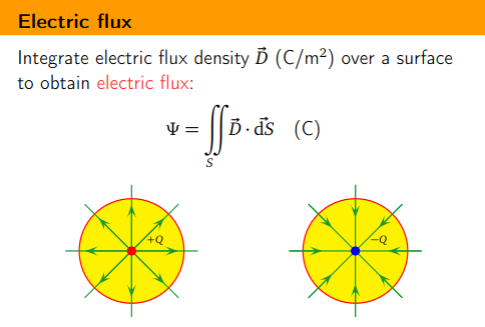
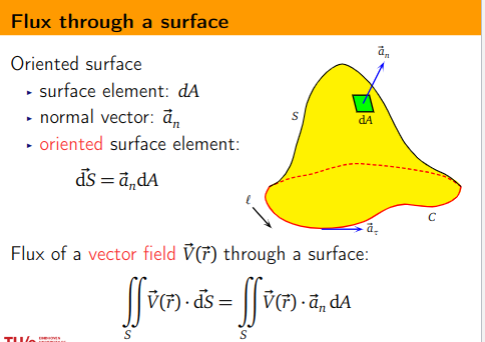
- in a closed surface it must always point outwards
Vector Operators
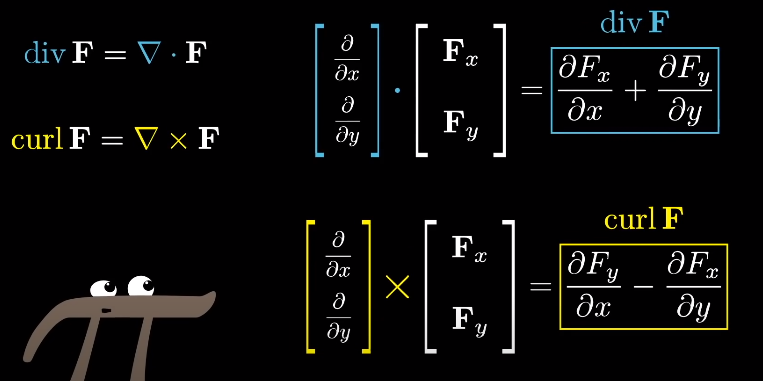
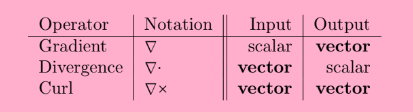
Divergence
Is a way to differentiate a vector field -> to a scalar field
Forflux in= flux out of volume → if not enclosing any charge
Gradient
Curl
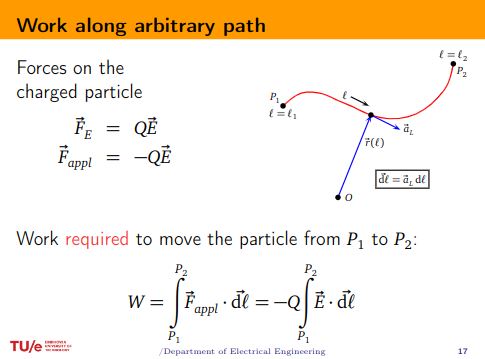
Work Done
force on particle:
force to hold particle:
work done by field:
work done by applied force:
→ work performed on the charge by the electric field
→ same but negative sign → work required to move the charge through the field
Line Integral
use of preregistration:for
Gradient
relationship between E(electric) and V(potential) field
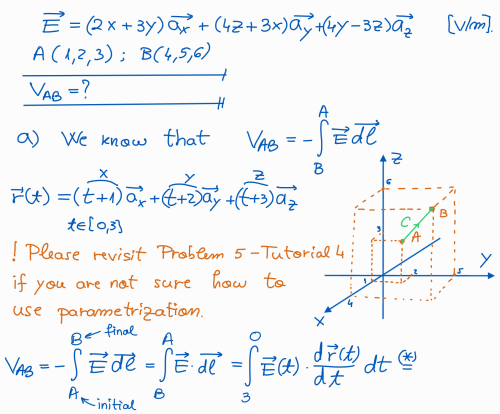
Potential difference:
Line integral:
In a limit
integrate E to find V, differentiate V to find E
The gradient operator can only be applied to a scalar field, and gives a vector
field in return. Beware that the definition of the gradient operator is dependent
on the coordinate system. A common mistake is to forget the additional constants
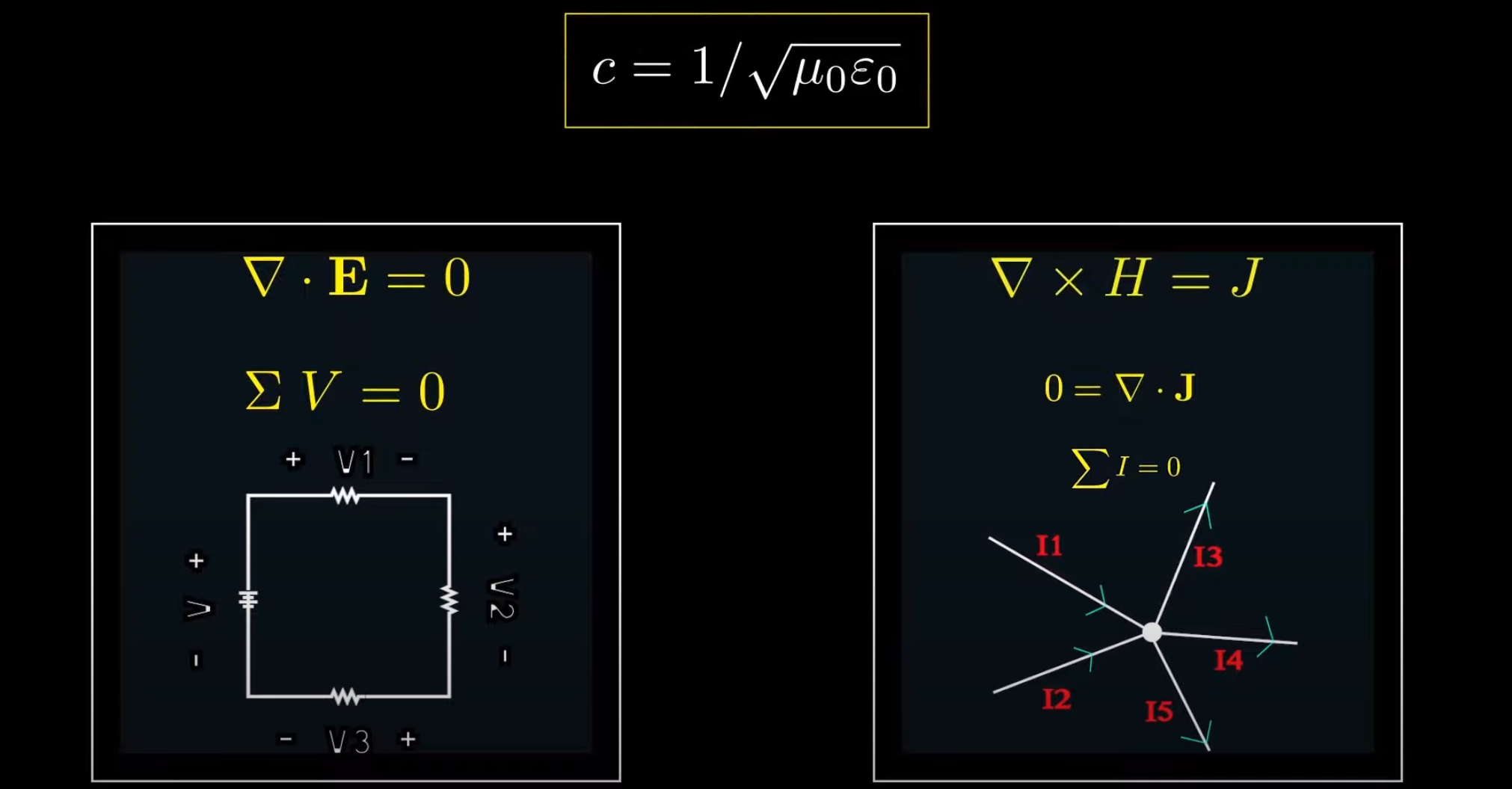
How are Kirchhoff’s current law (KCL) and Ampère-Maxwell’s law (AML) related?
AML reduces to KCL when quasi-static conditions are assumed.
Under quasi-static conditions, the assumption is that the fields and currents change sufficiently slowly so that the dynamic effects (like displacement currents) are negligible, thereby simplifying AML to essentially KCL.
cross product: tangential
dot product: normal
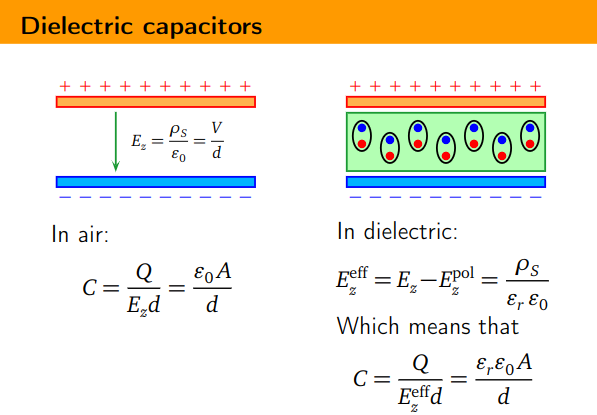
Electric flux density for dielectrics:
Uniform electric field accelerates a charge, while a uniform magnetic field makes keeps charge constant
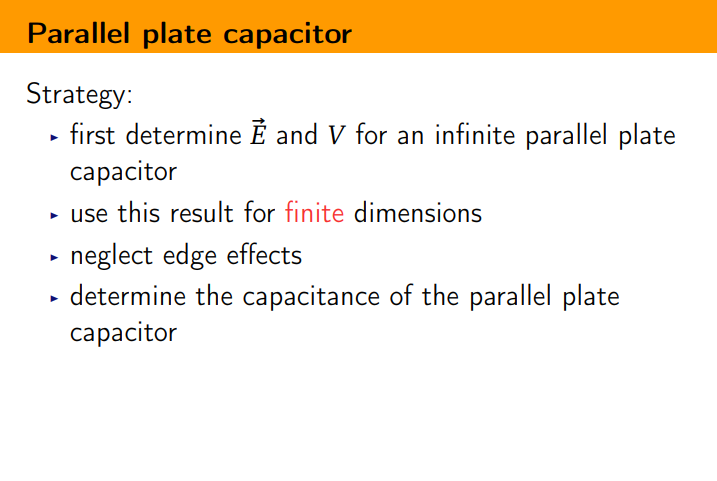
Capacitance
capacitance for point charge:
self capacitance
E field:independent of distance plates
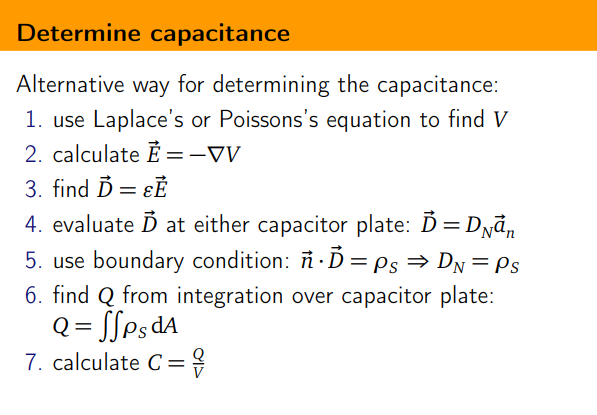
Poisson/Laplace
In empty space
⇒ Laplace is special case of Poisson ⇒
Laplace/Poisson must satisfy boundary conditions to have a unique solutionMesh Calculation:
Poisson:
Laplace: ~=0
Laplace
Poisson
Divergence / Gauss's Theorem
Gauss Law:
Magnetostatics
Topics: Maxwell Equations · Magnetic Circuits and Transformers
The magnetic field H might be thought of as the magnetic field produced by the flow of current in wires and the magnetic field B as the total magnetic field including also the contribution M made b OP for Live Preview. You can also use Minimal Theme which includes the snippet bundled in, and is kept up to date for new versions of Obsidian.y the magnetic properties of the materials in the field.
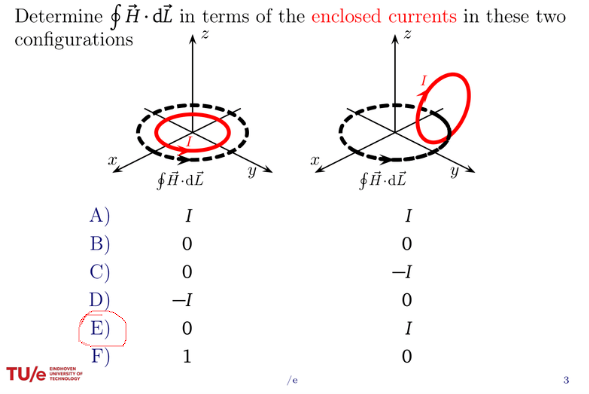
Ampere law easier: use when symmetry | like Gauss Law
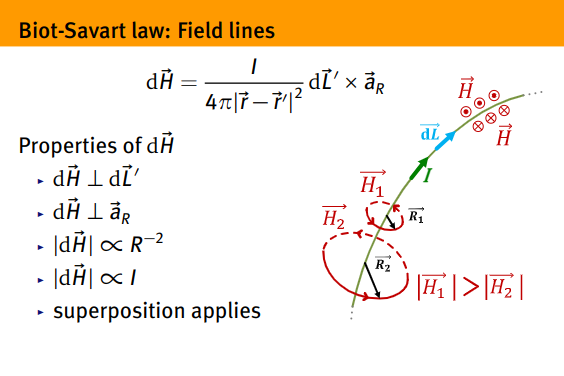
Biot-Savart law: general | like Coulomb law
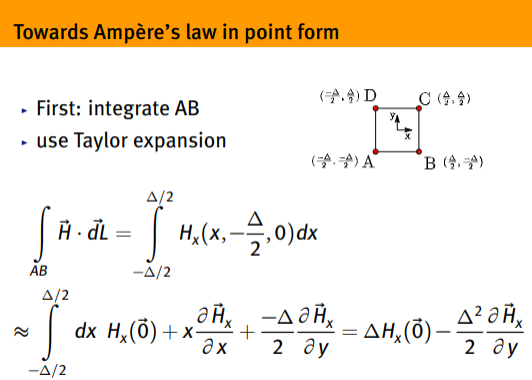
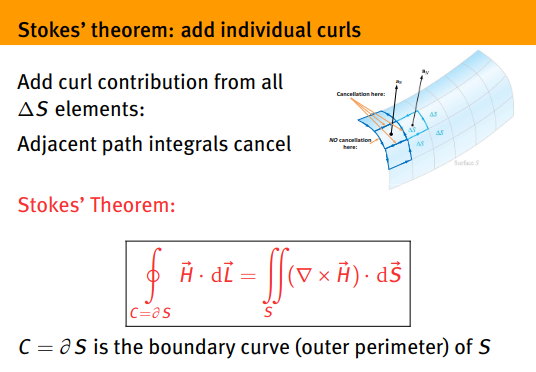
Stokes Theorem
- The magnetic flux passing through a closed surface is zero.
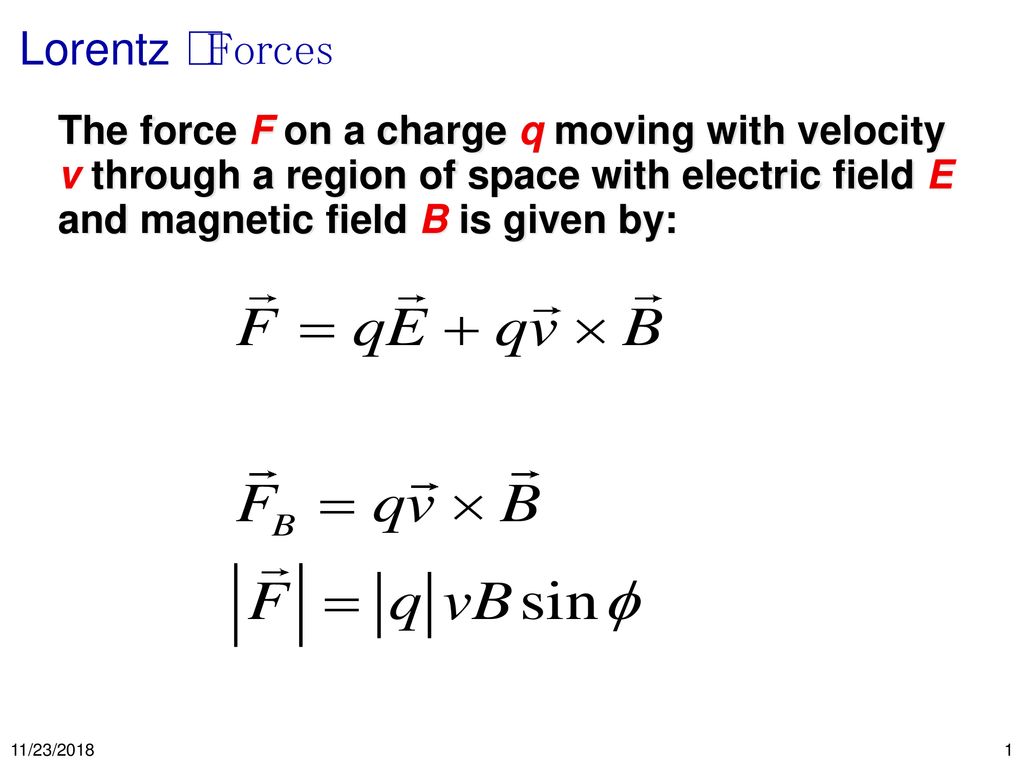
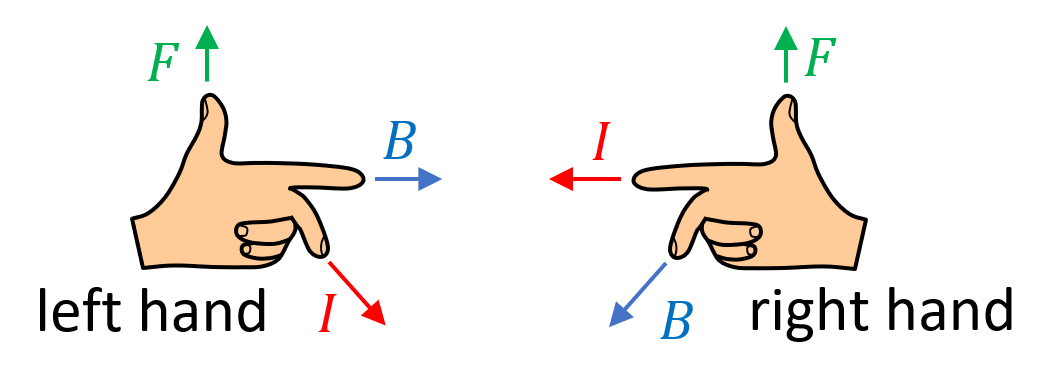
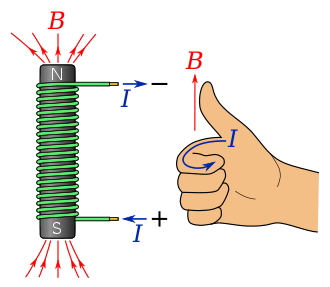
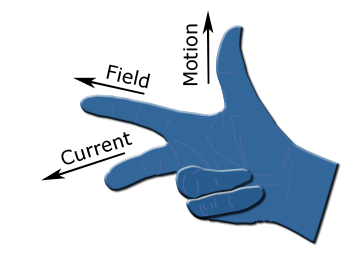
- FBI: (F thumb) Left Hand Rule for (-), same but right hand for (+) charge & (conventional current)
- A circle with a dot in it, represents a vector out of the page. A circle with an x in it
- https://physics.stackexchange.com/questions/395851/left-or-right-hand-rule
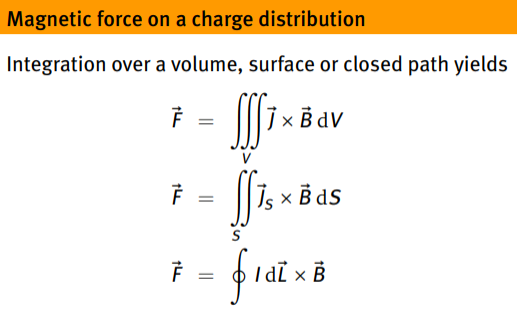
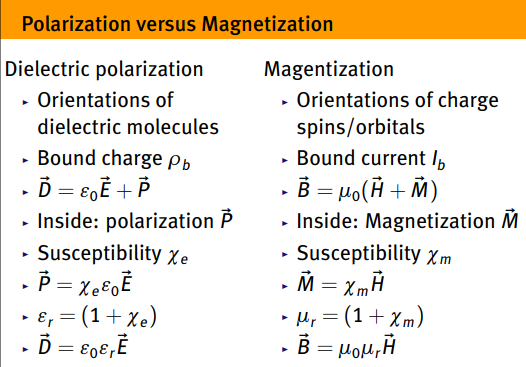
The magnetic field H might be thought of as the magnetic field produced by the flow of current in wires and the magnetic field B as the total magnetic field including also the contribution M made by the magnetic properties of the materials in the field.
Magnetic permeability is the realitive strength of a magnetic field that a material can achieve. Electric permittivity is the realitive ease with which an electric field propagates through a material.
permittivity: opposition against electric field
permeability: easiness magnetic flux to pass when applied by external magnetic field
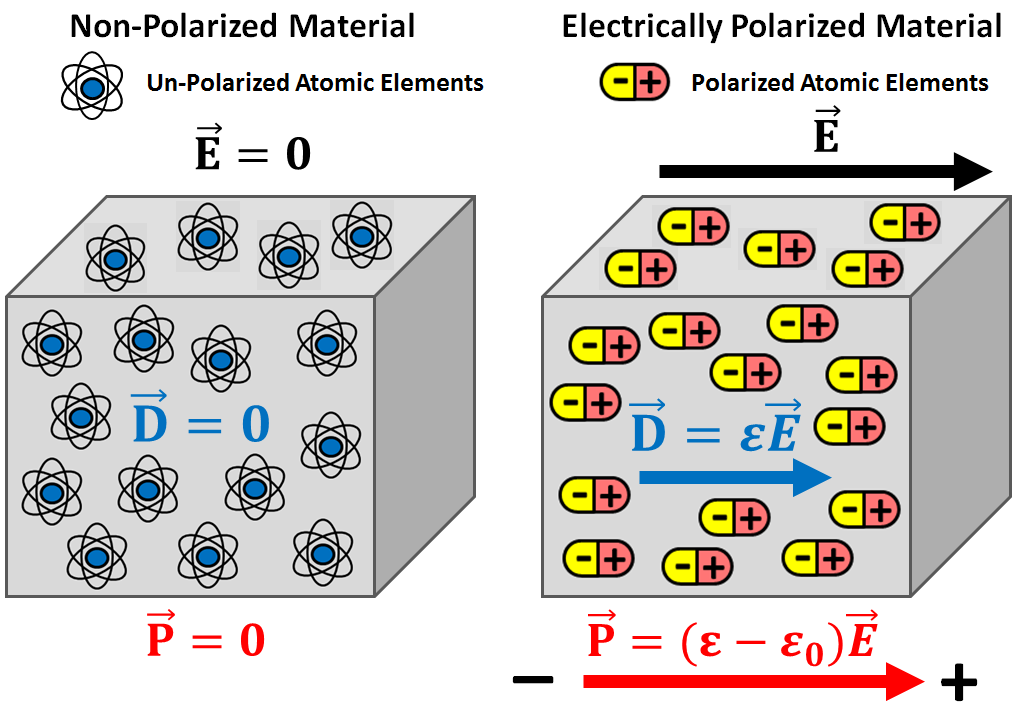
- If an exercise mentions a (perfect) conductor, you should immediately remember two things: (1) there cannot exist an electric field inside the conductor, and (2) all free charges accumulate at the boundary of the conductor.
PEC MATERIAL:
⇒ Gaussian Surface outside object
-
If an exercise mentions a (perfect) dielectric, you should remember that (1) there cannot exist free charges inside the dielectric and that (2) the surface charge density at the border of the dielectric
-
When an electrical conductor carrying a current is located in a magnetic field perpendicular to that current, a voltage difference will be generated across the conductor in a direction perpendicular to both the current and the magnetic field. This is called the Hall effect.
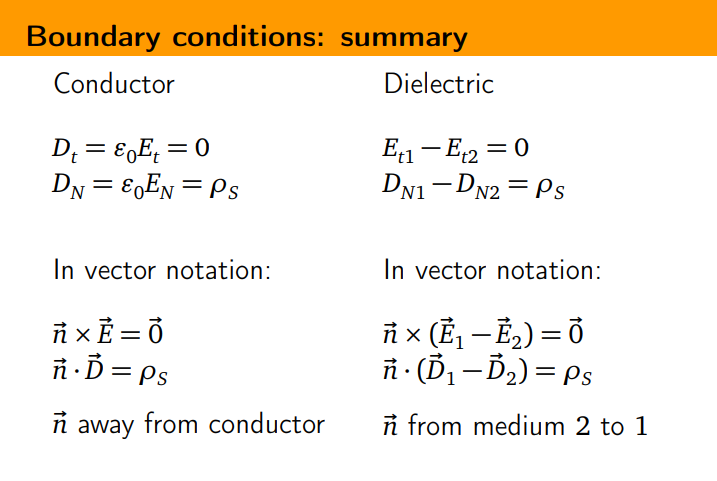
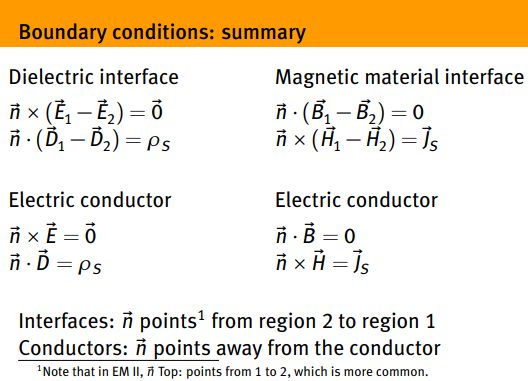
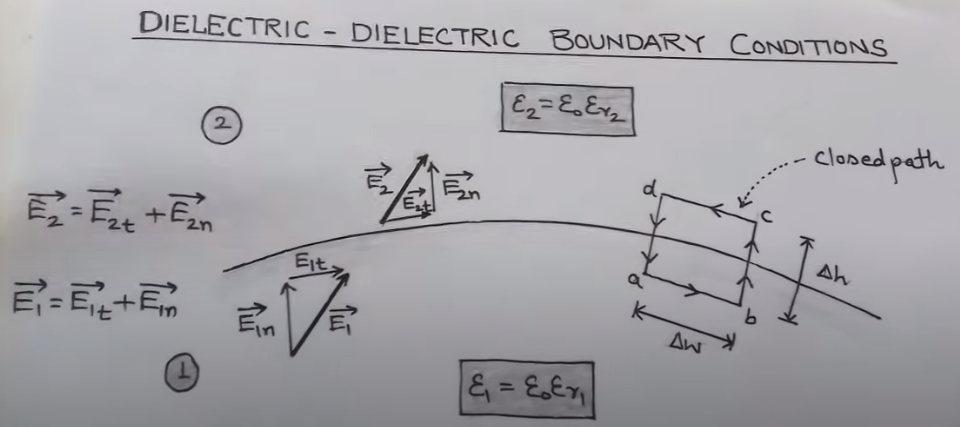
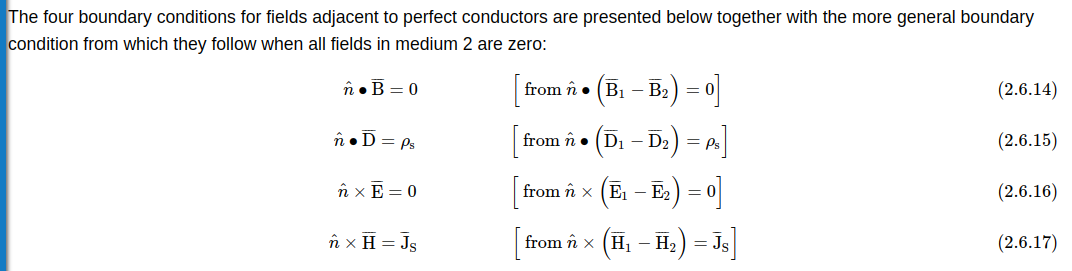
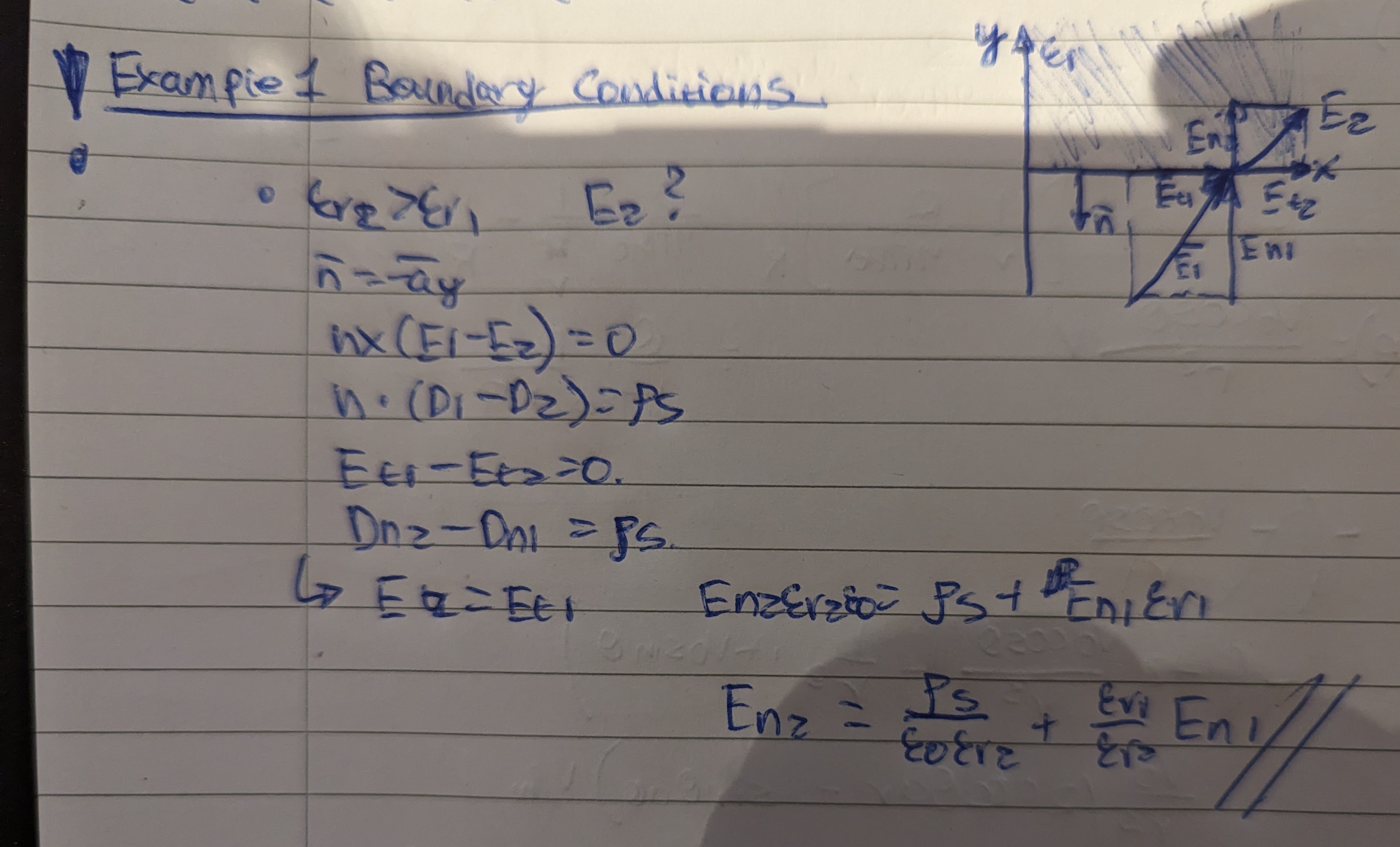
Boundary conditions for electromagnetic fields
The dot product boundary condition: Normal, while the cross product is the tangential fox exmaple:
Magnetic Flux Density
if normal component of flux density is constant across surface:
Magnetic field strength or field intensity (H) is the amount of magnetising force. Magnetic flux density (B) is the amount of magnetic force induced on the given body due to the magnetising force H.
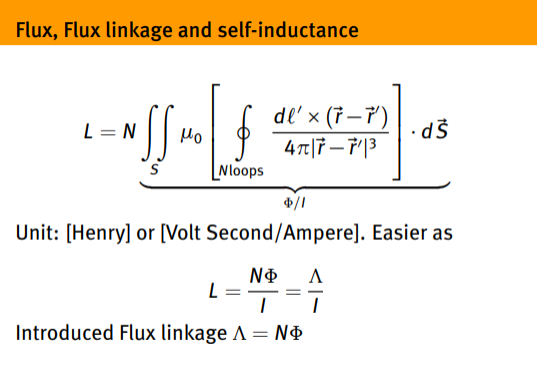
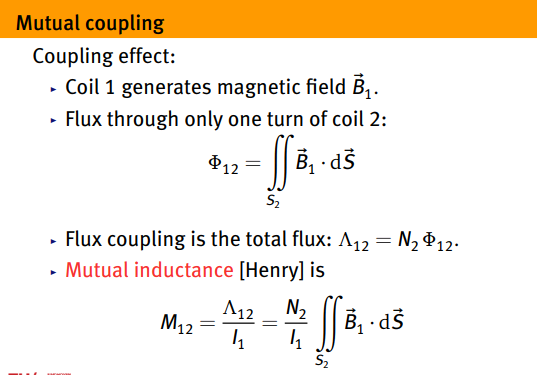
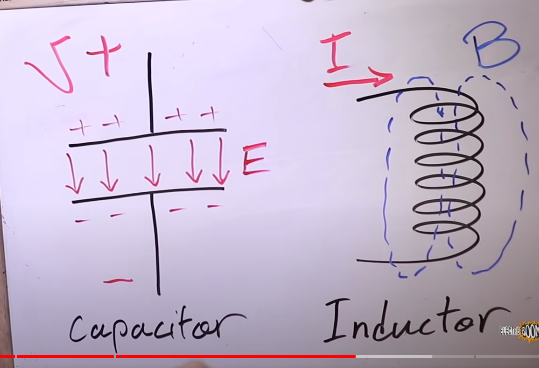
- Inductance measures the ability of a circuit to generate a magnetic field when an electric current flows through it.
Time-Dependent Fields & Waves
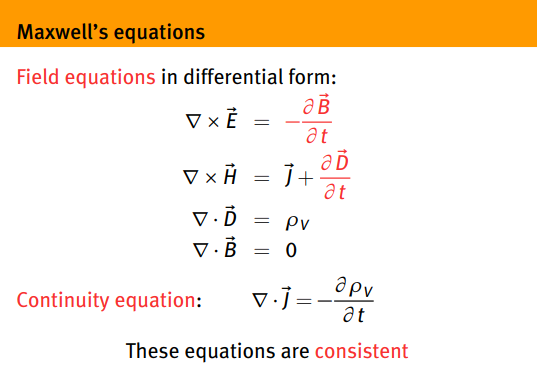
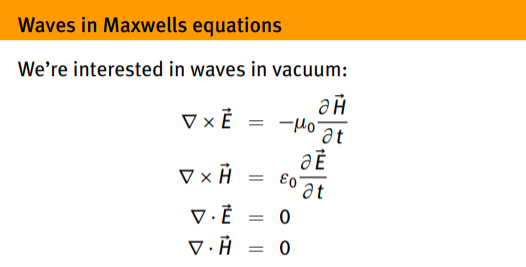
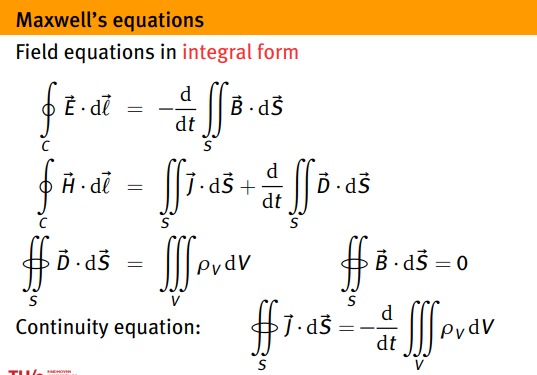
Topic: Maxwell Equations
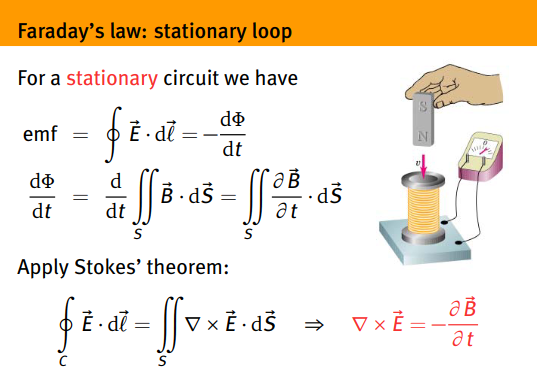
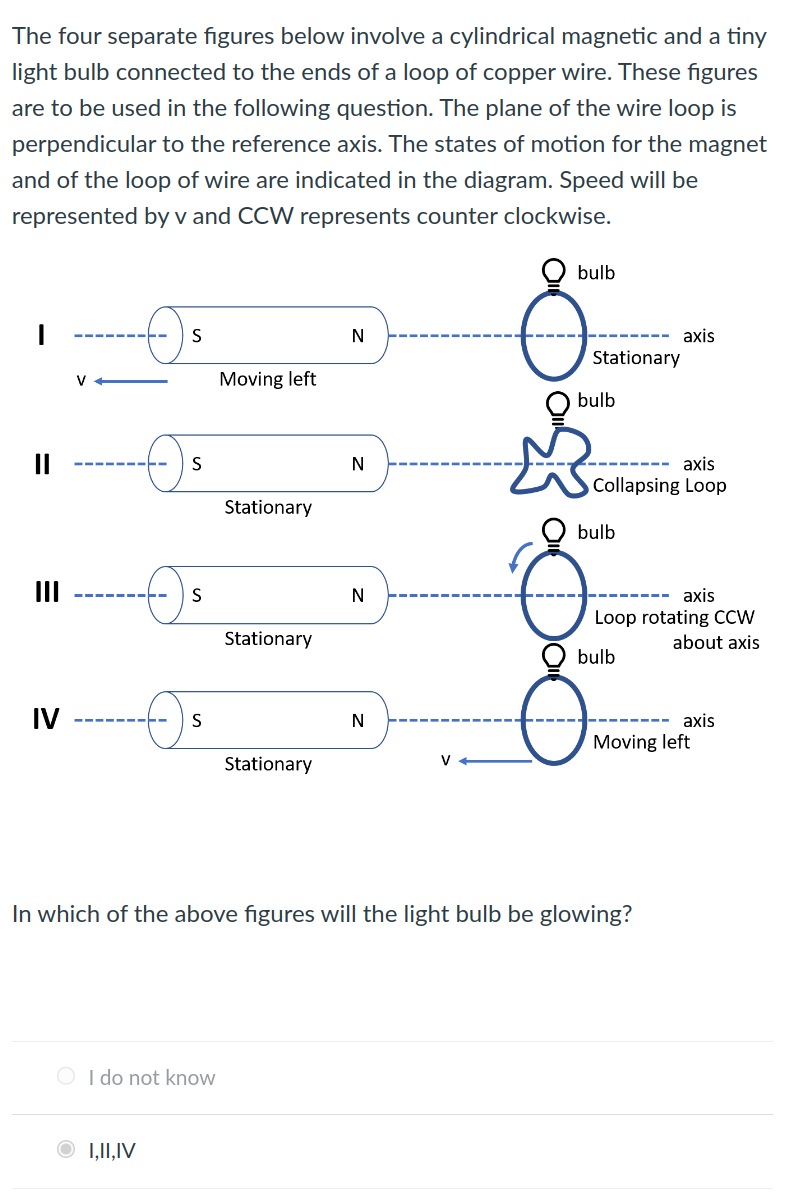
Lenz’s Law: The direction of the induced current is such as to oppose the very cause producing it
Steady Current
steady current
Current density:
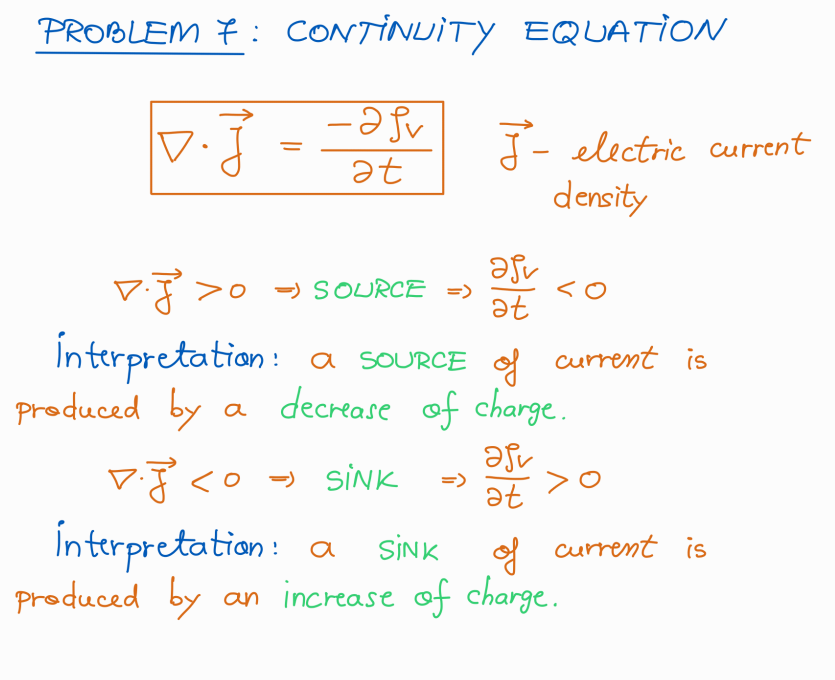
→ accumulation of charges
→ accumulation of continuous point charge density
→ divergence of current density = of change over time of volume density → negative sink, positive source
Charge Conservation
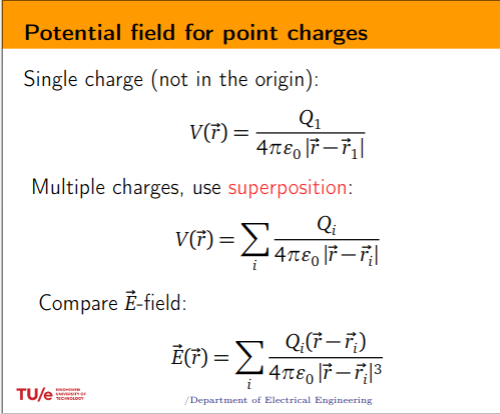
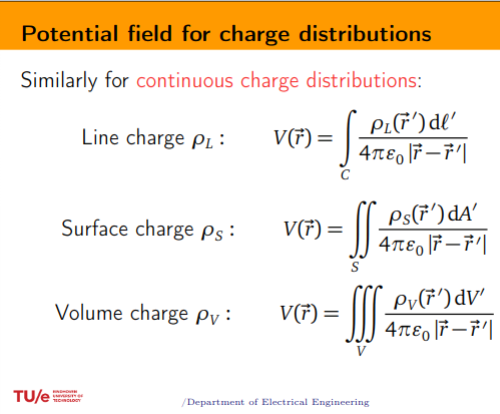
potential:
Electric flux density for dielectrics:
coloumb potential referenced at infinity
surface integral = area of the object
Example, if you wanted to find the volume of a cylindrical shell with inner radius R1 and outer radius R2, you might integrate dr from R1 to R2, and then integrate dz for the height of the shell.
Extra notes due to EM2
-
hollow metal sphere; neutral; small negative charge on surface; → will distribute veenly over surface. if out of insulating material charge stays where it is.
-
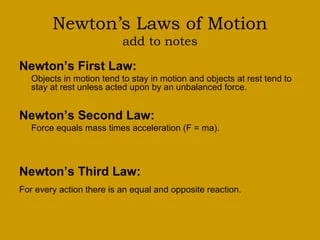
negative positive attraction
-
there is equal magnitude where 2 things act on each other
-
positive charge; uniform electric field; → constant acceleration
-
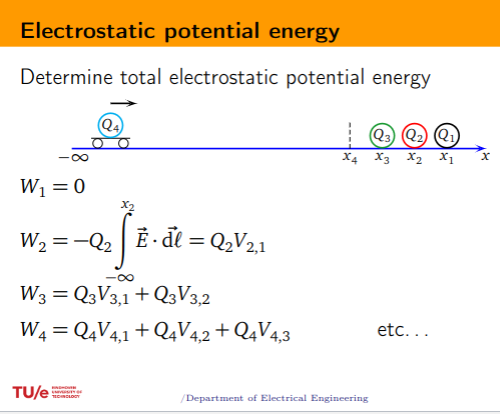
electric potential energy: energy of opposition
-
in uniform field force on particles is same but not zero, same for work done
-
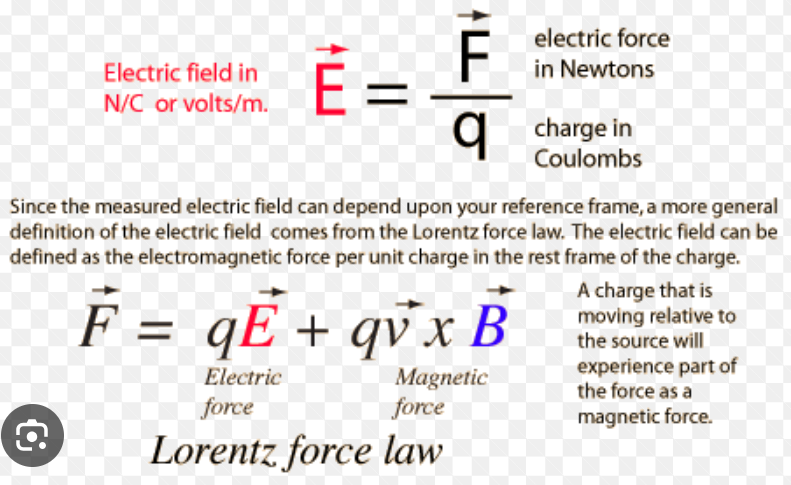
force by magnetic field on a charge
Kirchoff and Maxwell law relation:
as long as
An electric field ‘points’ from a high to a lower voltage. So, if the potential voltage difference is positive, and the distance is as well, the field is negative, and thus points in the direction of the lower voltage (to the left in our case).