2WBB0 Calculus
- Area: Mathematics
- Topics: Complex Numbers · Differential Equations
- Related courses: Math I - 2DE20 · Math II - 5EMA0 · Systems - 5ESB0
Preliminaries
Real Numbers
Intervals
Quadratic Equations
Cubic Equations
Higher Degree Equations
Equations involving rational functions
Roots
Inequalities
Powers
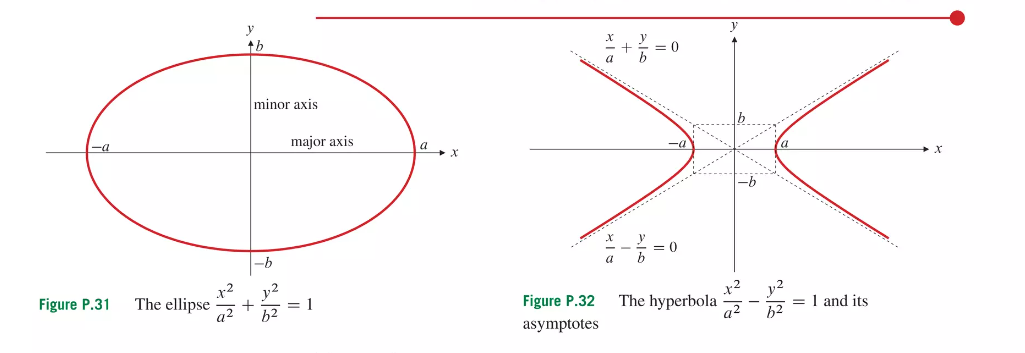
Quadrics
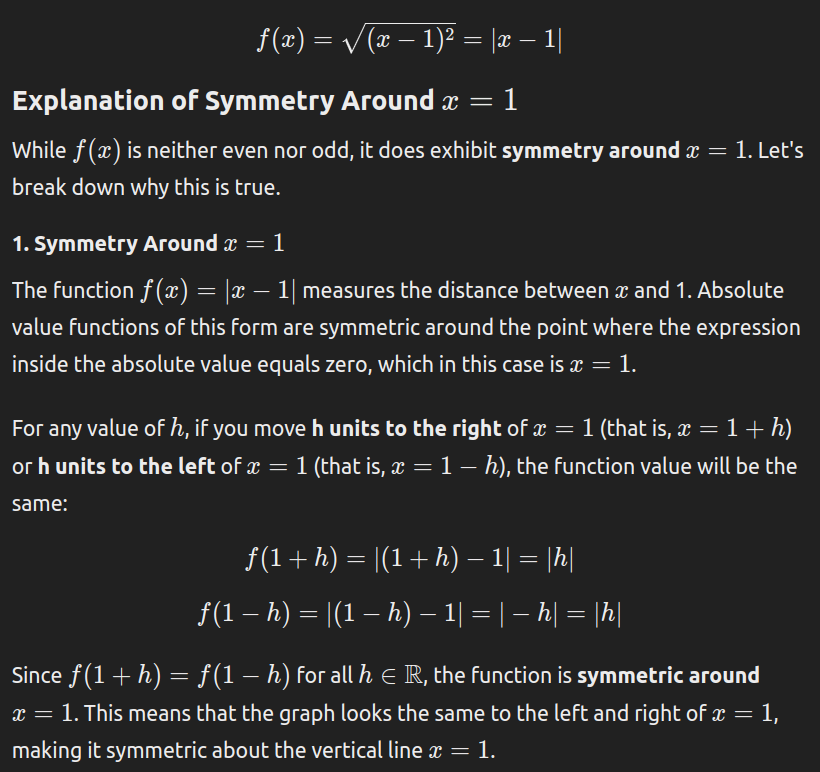
Functions and their graphs
Trigonometric Functions
Trigonometric Equations
Some Notes + P1-P7
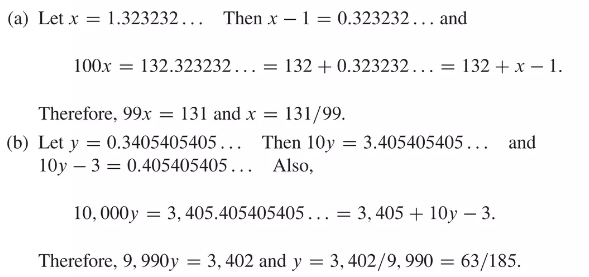
How to Convert Repeating Decimals to Fractions: 9 Steps
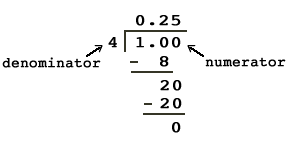
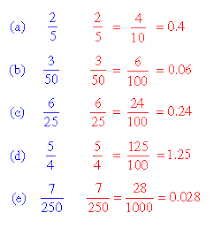
Decimal to Fraction
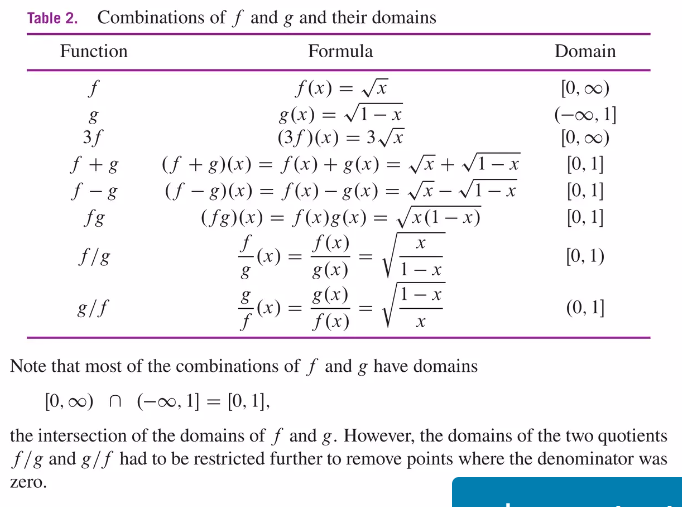
composition:
To determine the domain of a rational function, we need to find the values of
domain of
range of
numerator to zero = how many solutions in equation
injective = one to one
-
The domain of a function f(x) is the set of all values for which the function is defined, and the range of the function is the set of all values that f takes.
-
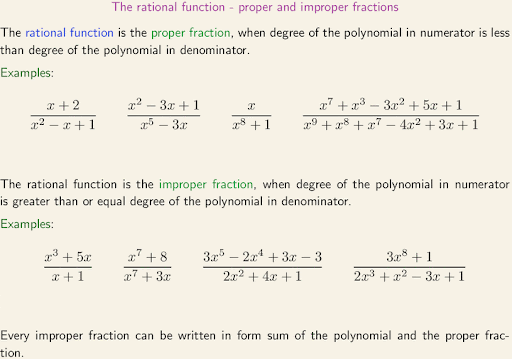
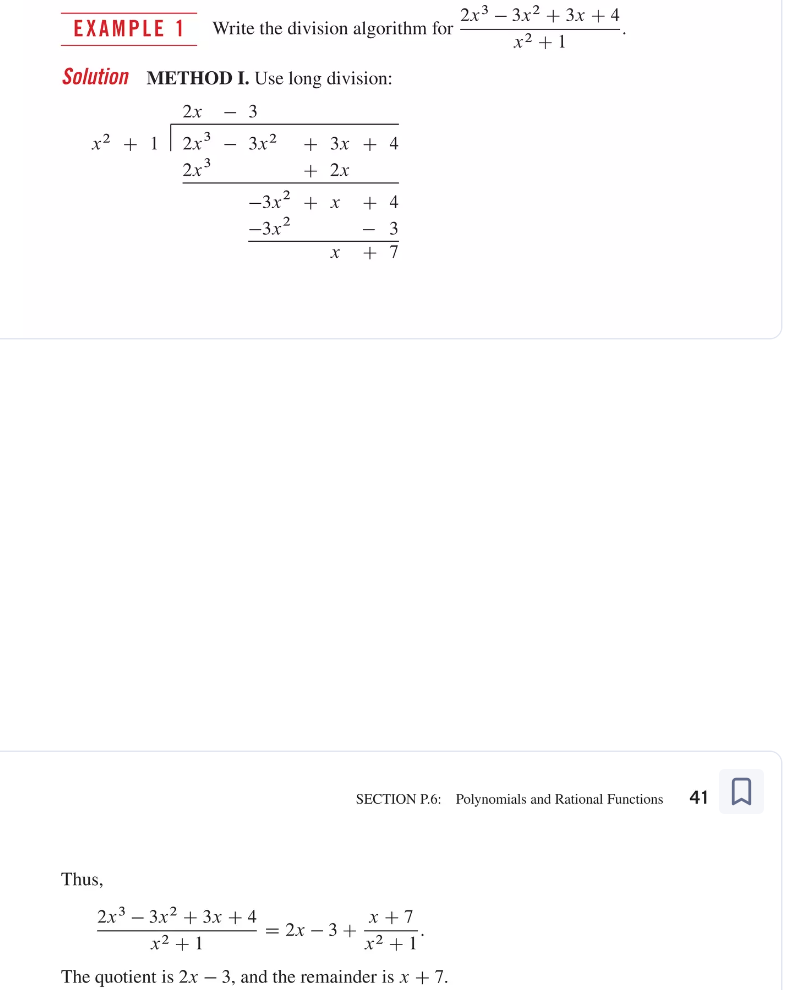
You can keep dividing function until denom>num ⇒ if remainder ⇒
- completion of squares ⇒ square to vertex form
- https://www.youtube.com/watch?v=EBbtoFMJvFc
and
domain: x possible input vals, range: y possible output vals
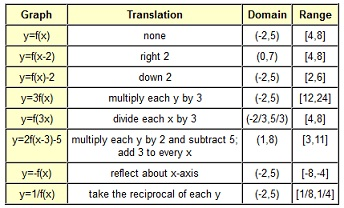
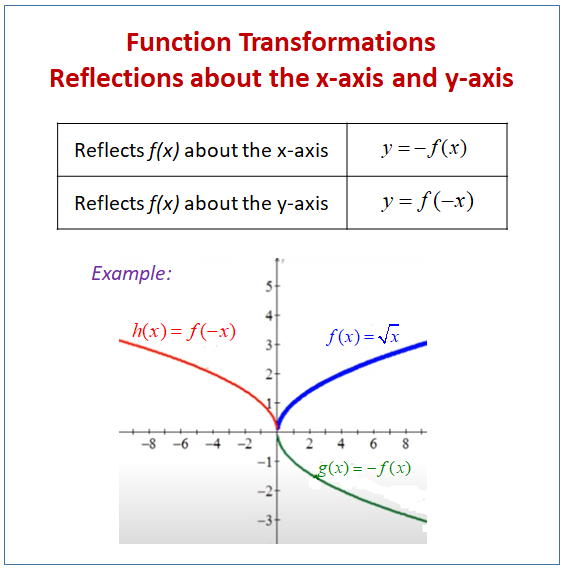
vertical translation:
horizontal translation:
vertical stretching:
horizontal stretching:
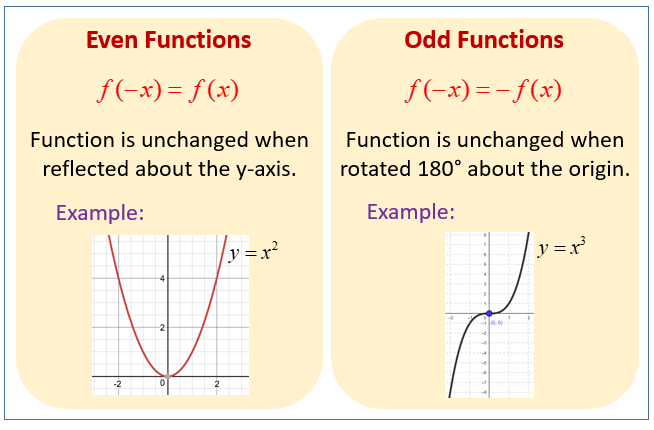
if f and g are even →
if f and g are odd →
Roots
odd square root like:
even: only positive
Inequalities
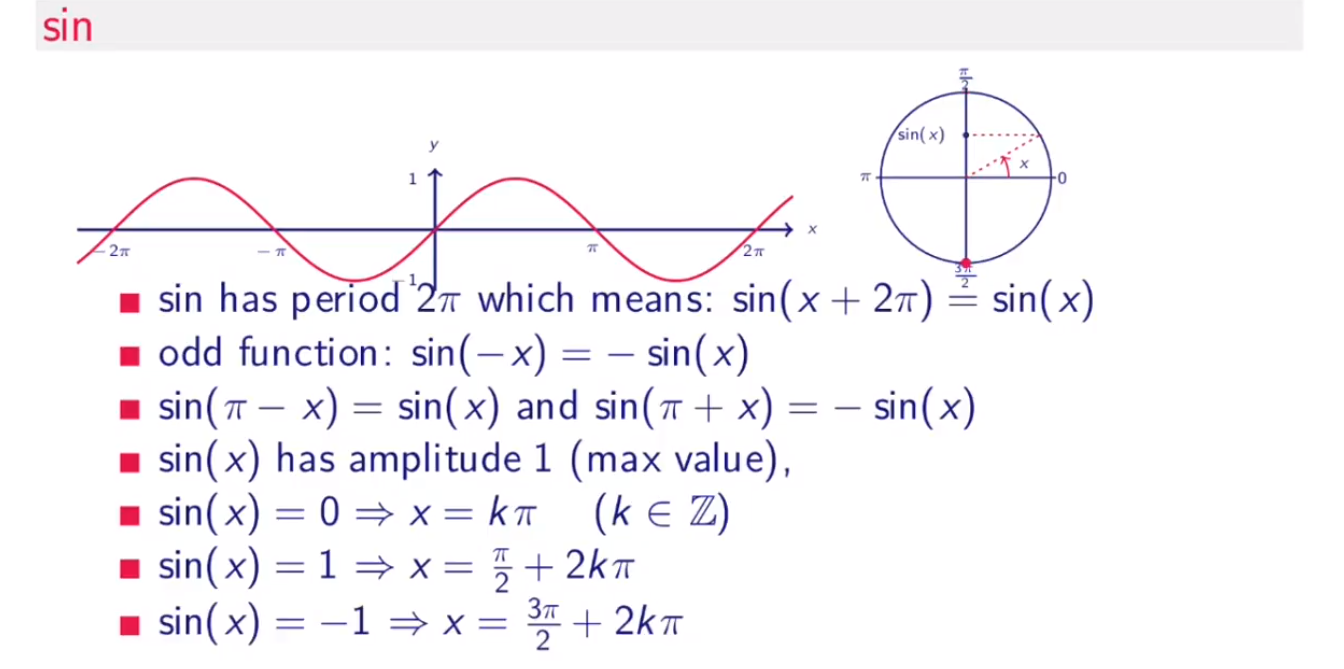
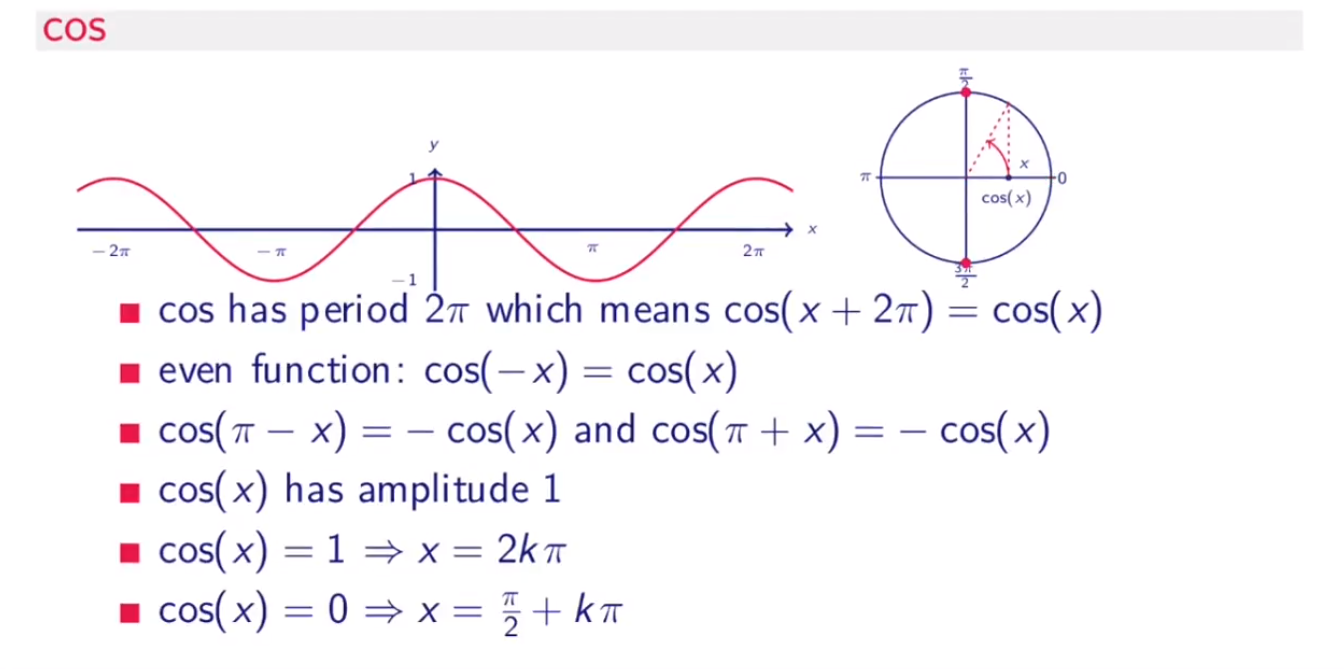
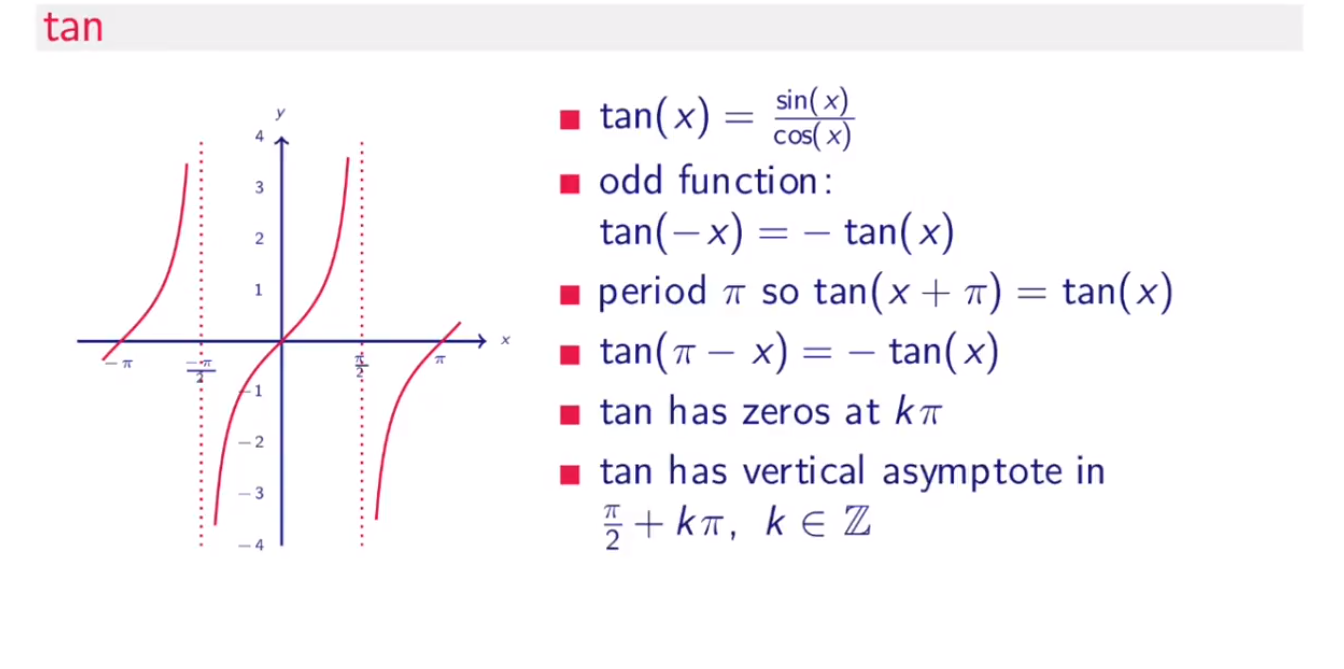
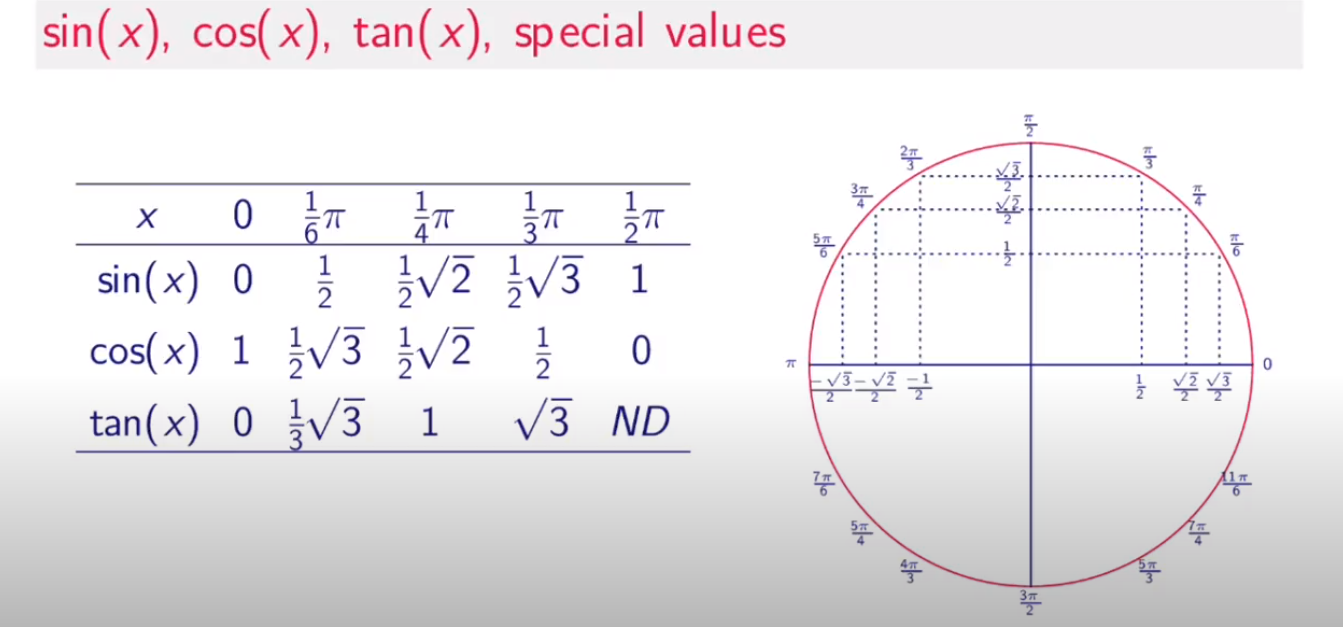
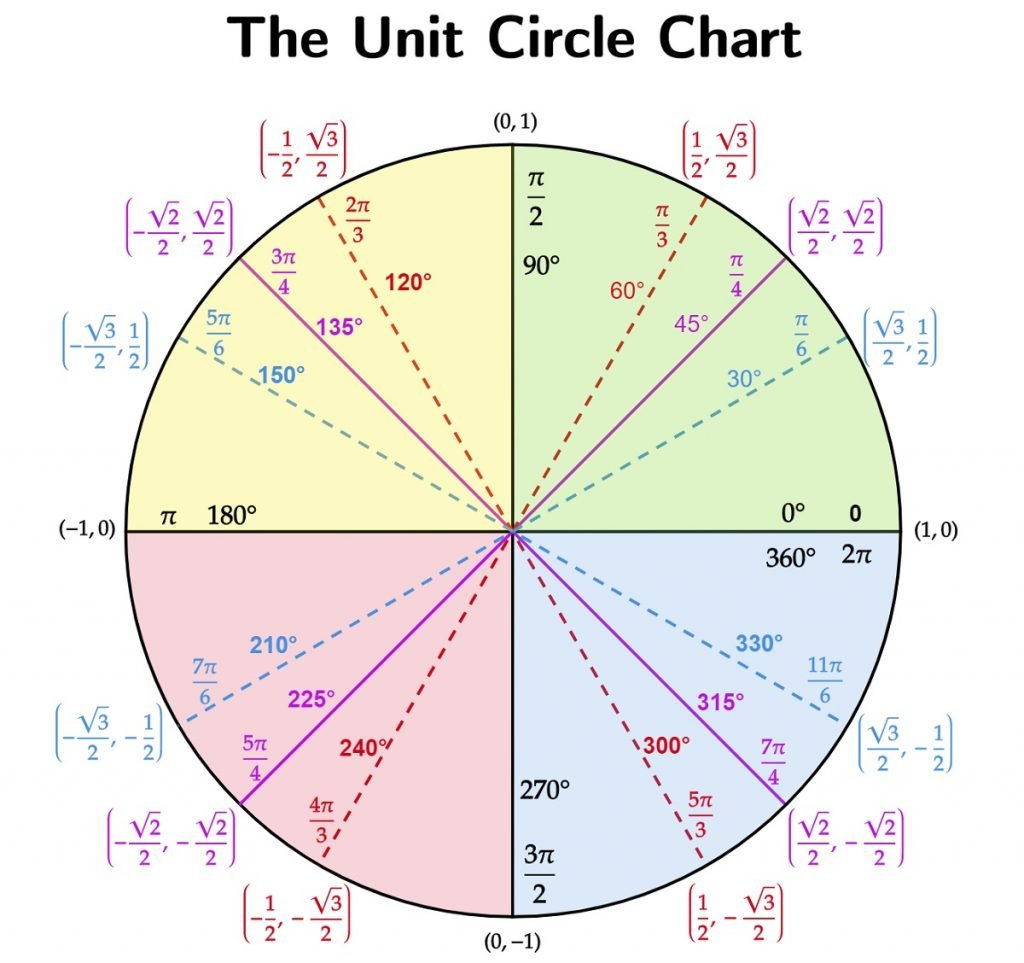
(cos,sin)
degree to radian:
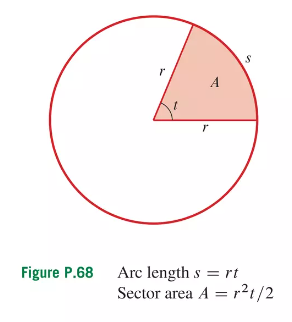
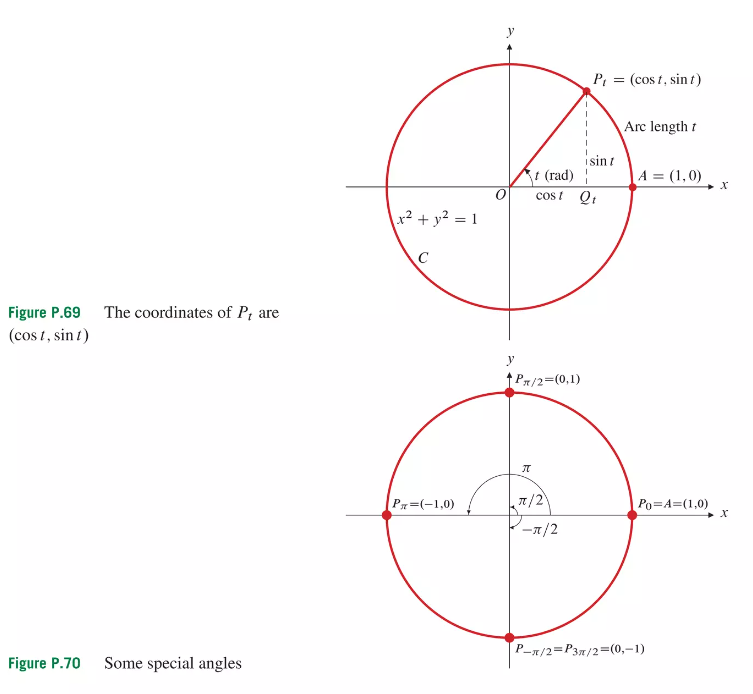
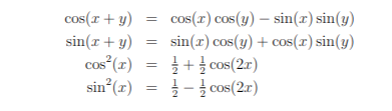
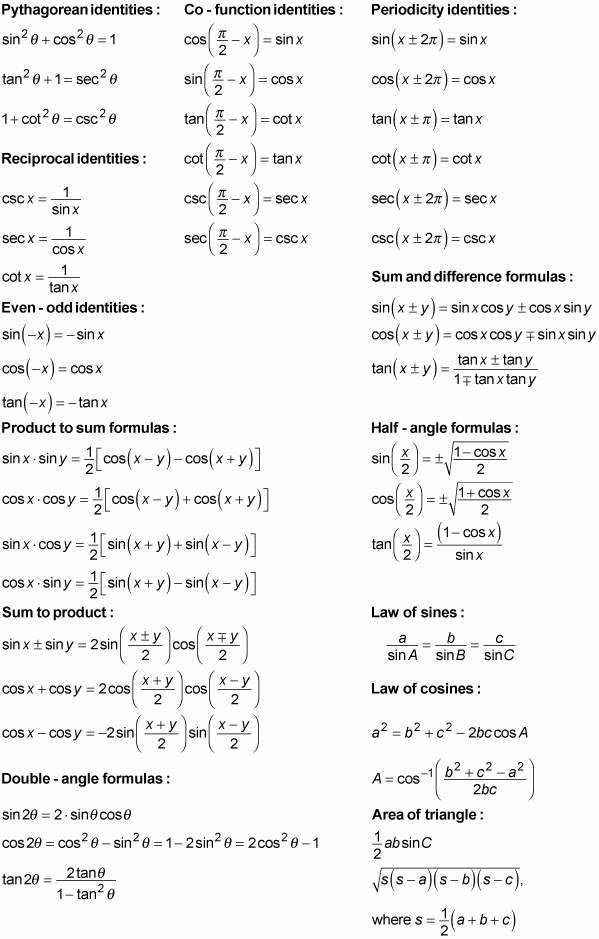
Trigonometric Rules
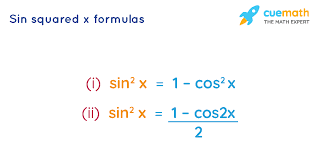
just remember the identities on formula sheet given
&
cos even ⇒sine odd ⇒
&
& just remember for proving:
sine law:
cosine law:, ,
Evaluating Trig Functions
arcsin
arccos
since Q3 →
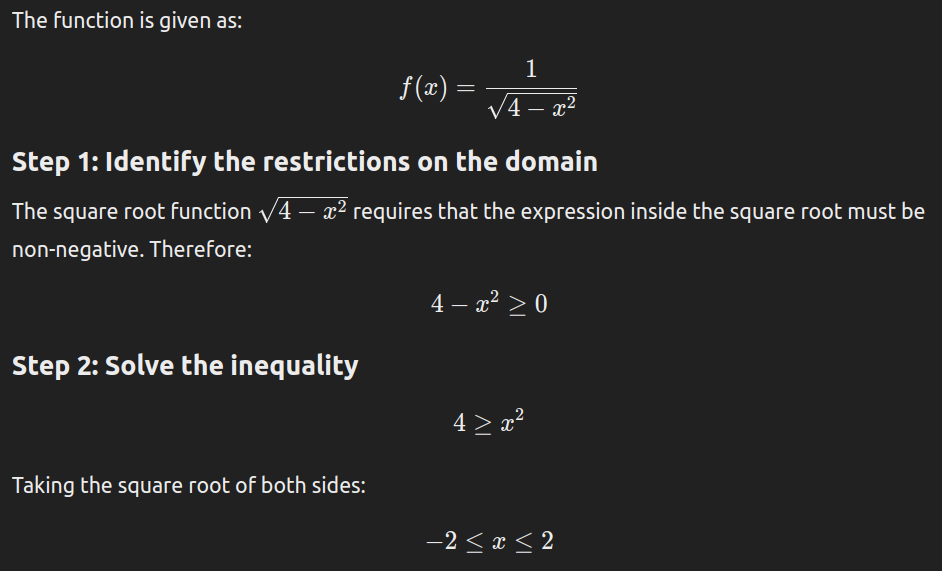
slope=gradient, derivative of a function is its slope.
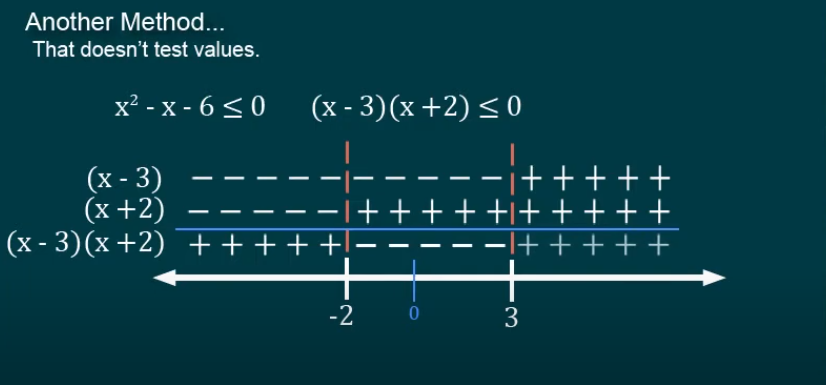
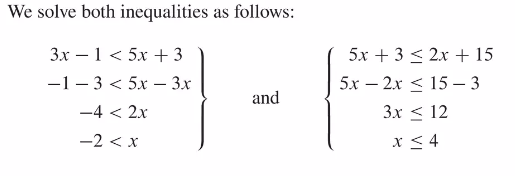
ALWAYS CHECK INEQUALITY VALUES!!!


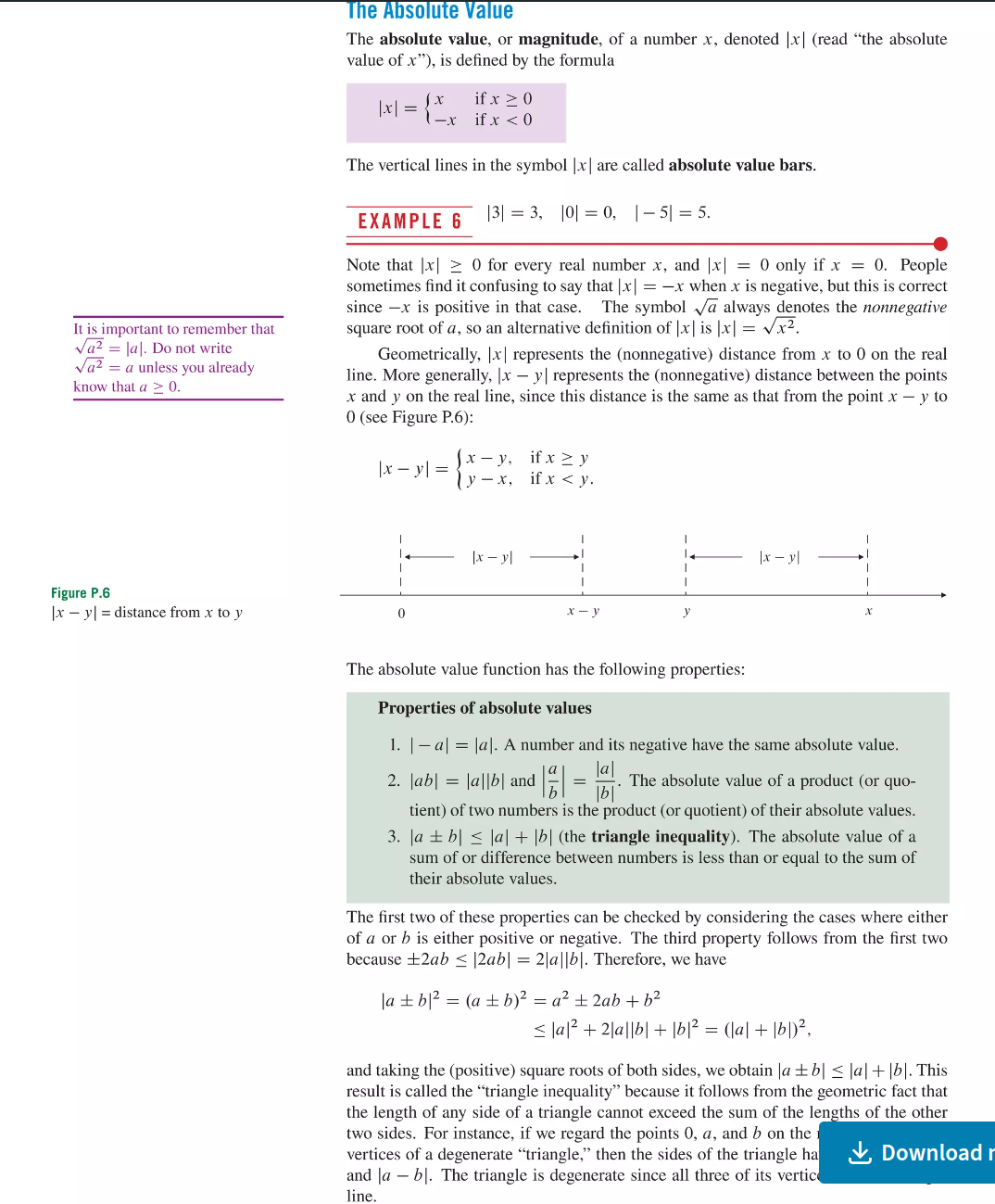
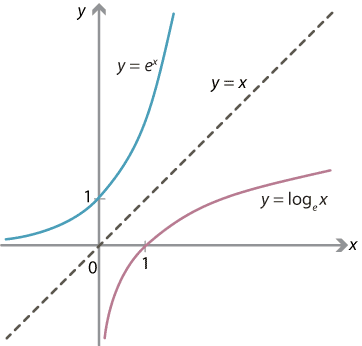
Logarithms
derivative https://www.youtube.com/watch?v=2A1xgHtTOCk
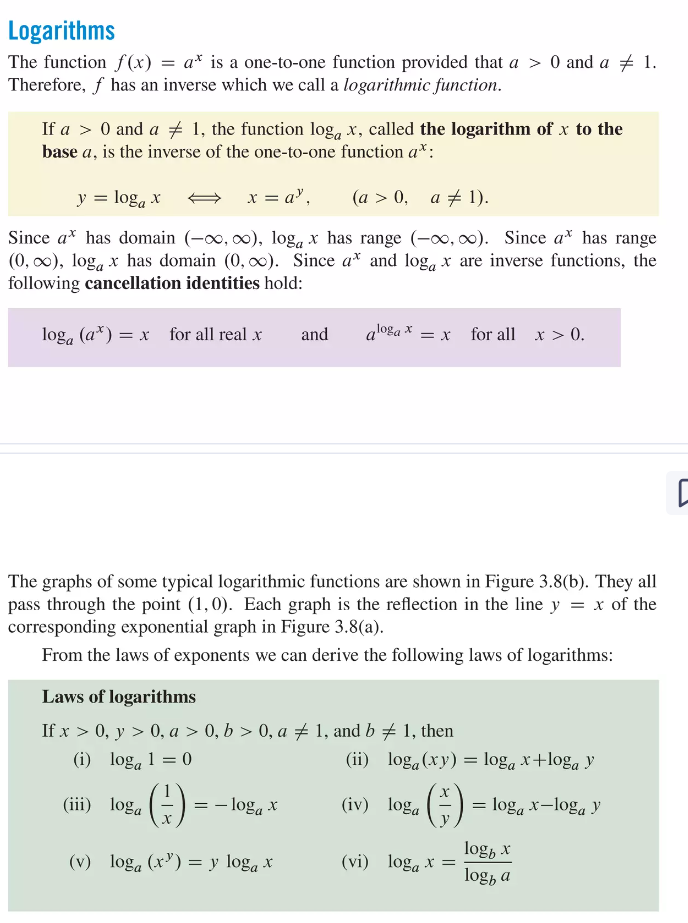
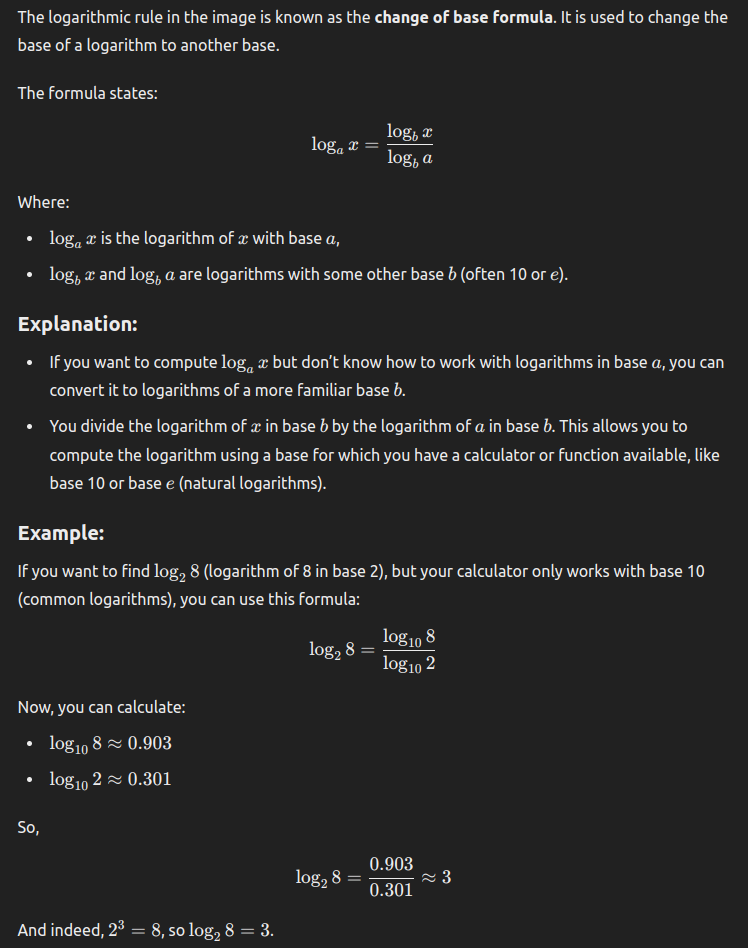
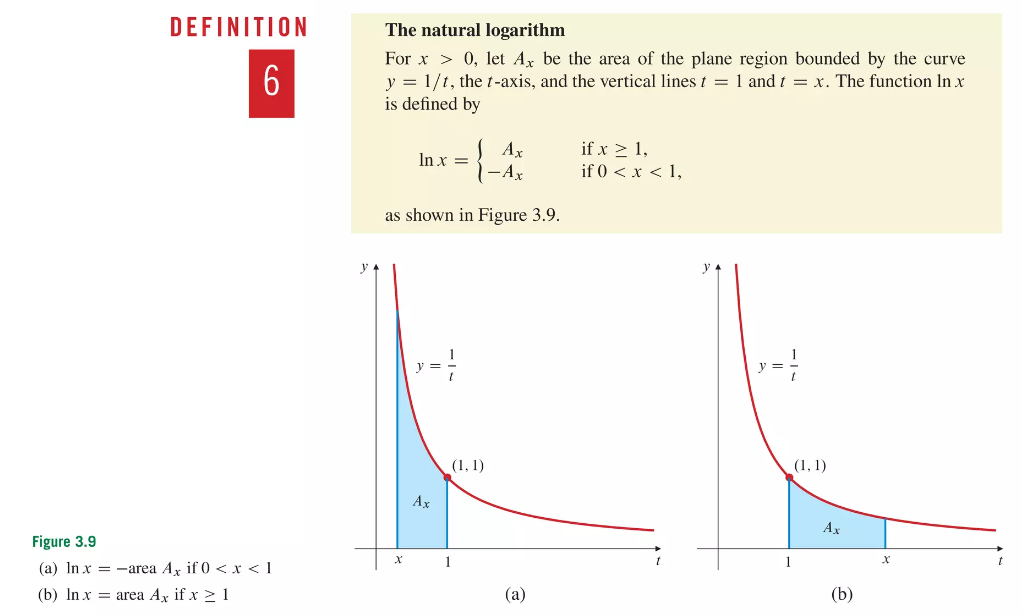

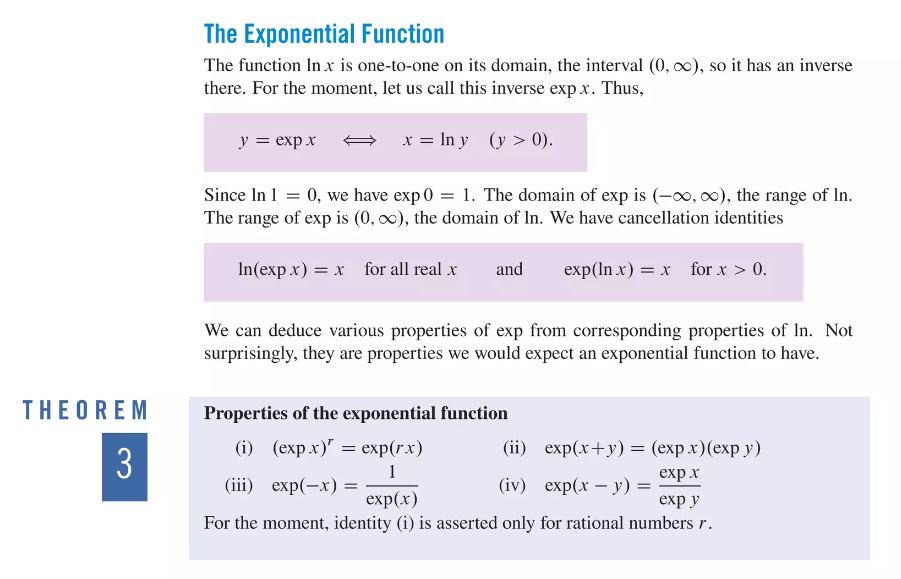
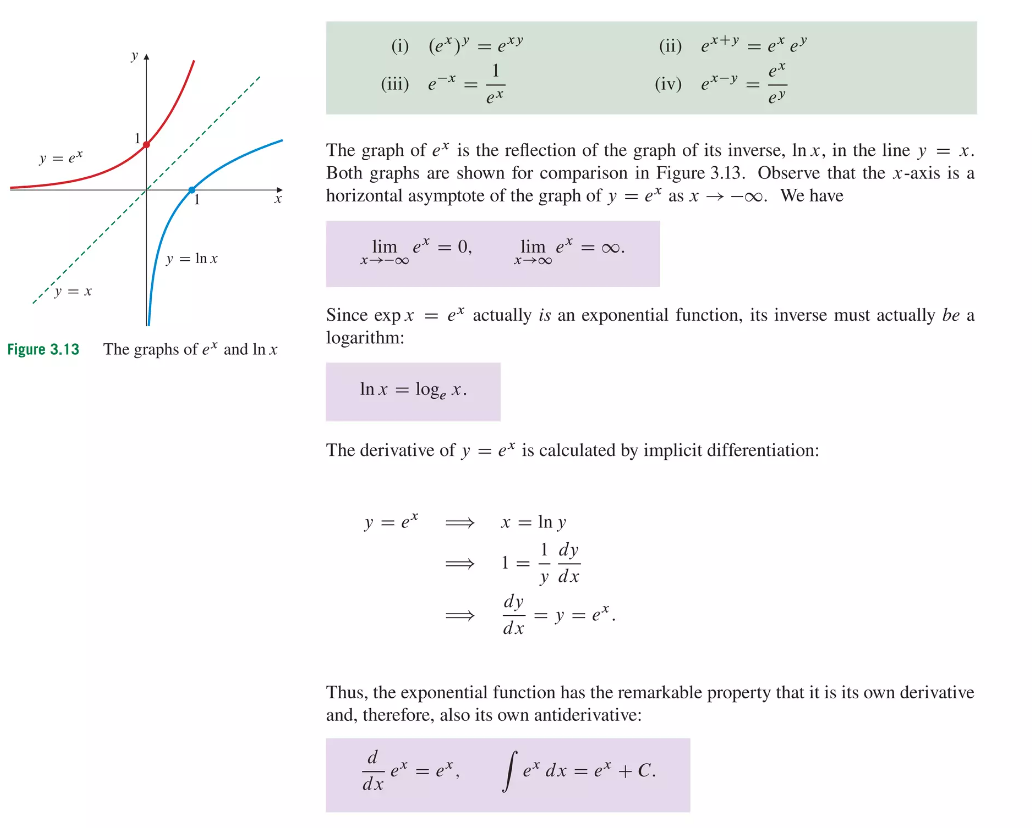
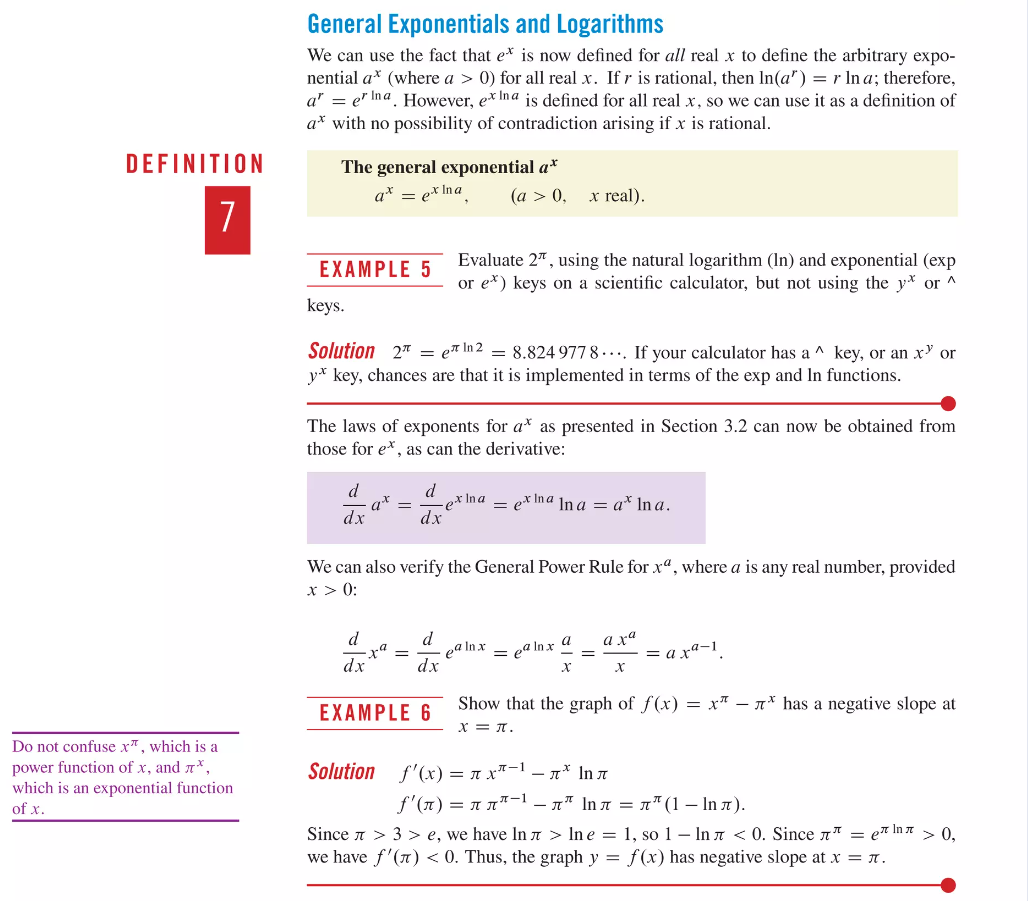
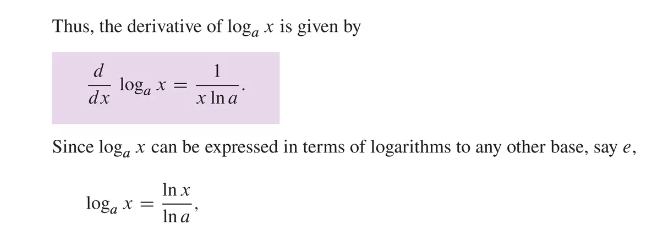
MOST IMPORTANT
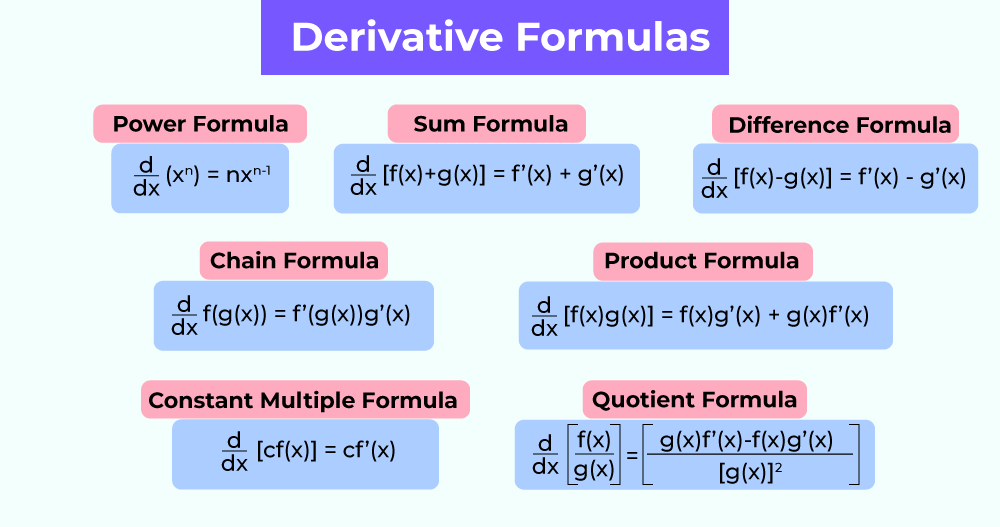
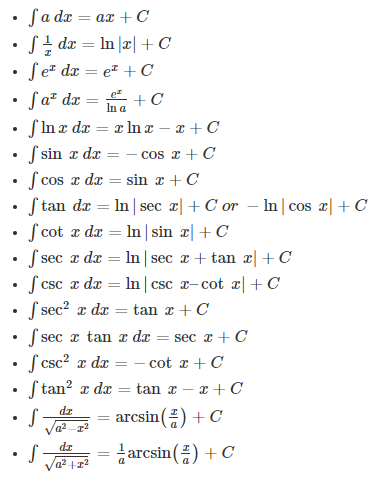
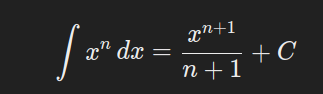
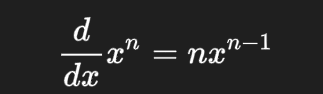
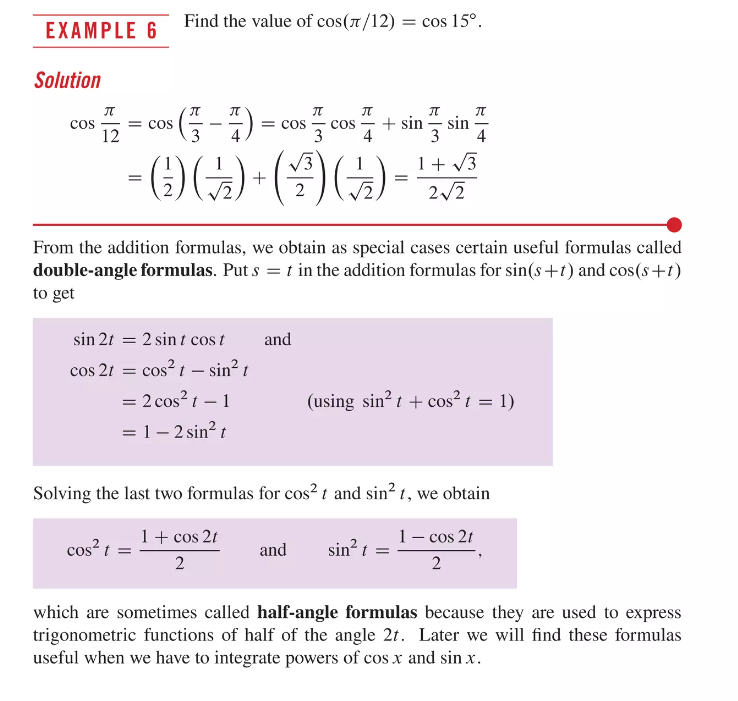
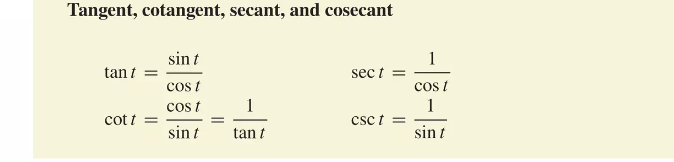
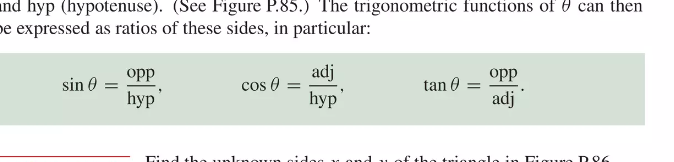
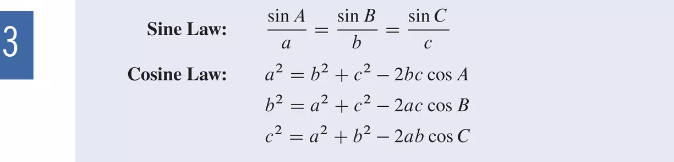
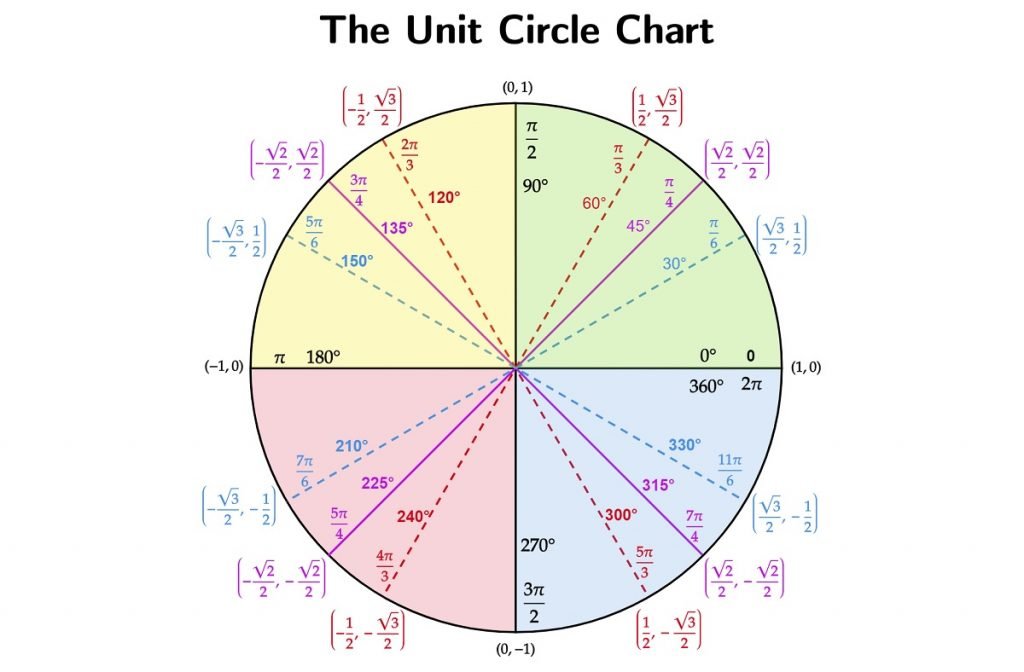
Complex Numbers
Topic: Complex Numbers
https://medium.com/all-math-before-college/complex-numbers-4a1aeda2abb6
imaginary component: y
real component: x
- conjugate: what you see in first bullet point reverse of sign in middle
where , eg:
Summery of Complex Numbers - Rectangular, Polar, Exponential Form
Geometric Operations
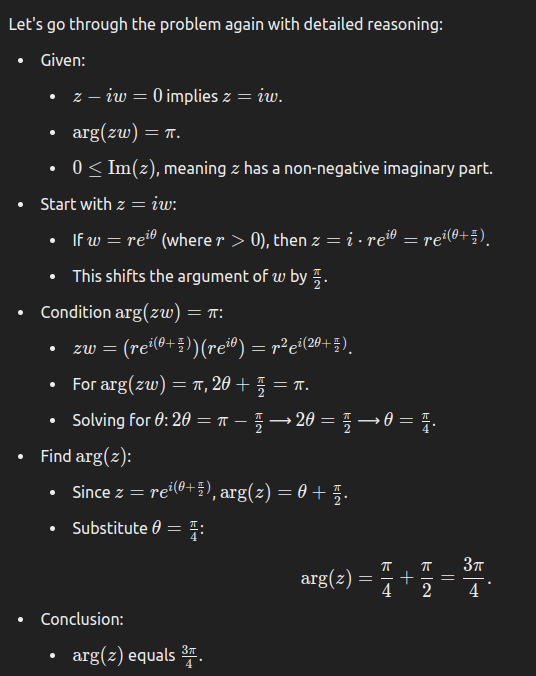
Think in terms of a circle, radius stretches, angle shifts when you stuff like multiplication etc…
Deriving Polar Formulas
: Euler Formula
for sine:
for cosine:
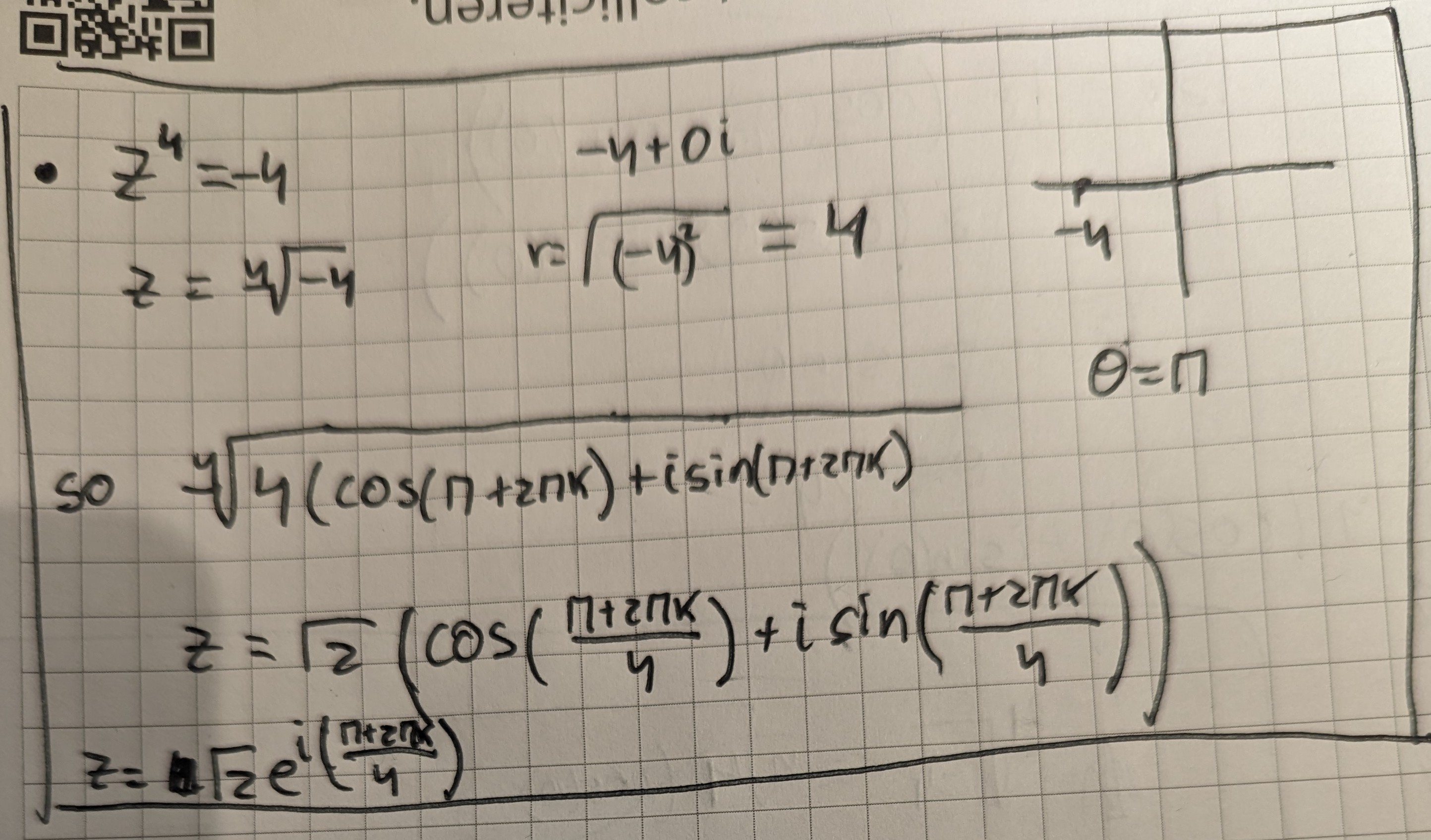
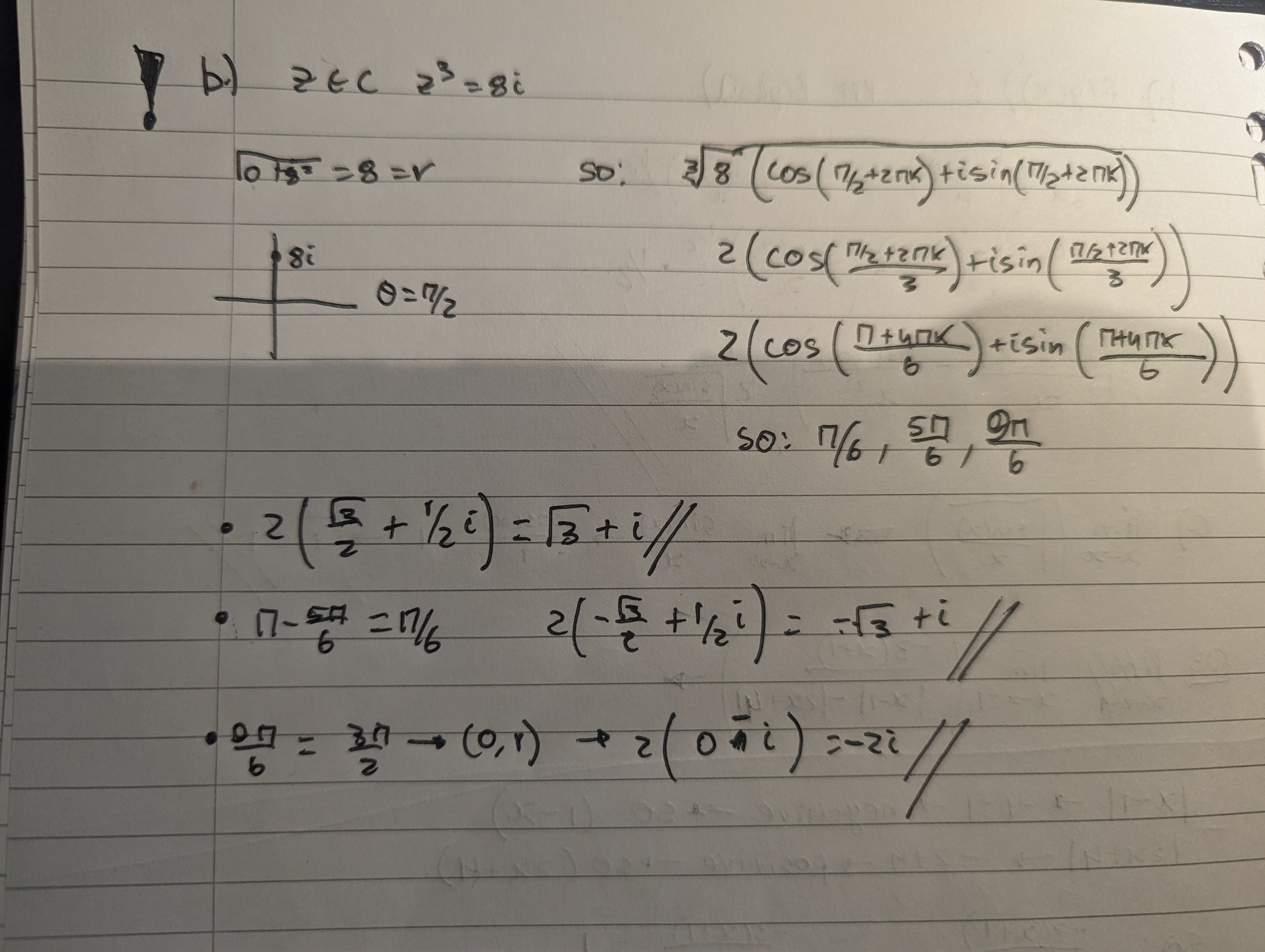
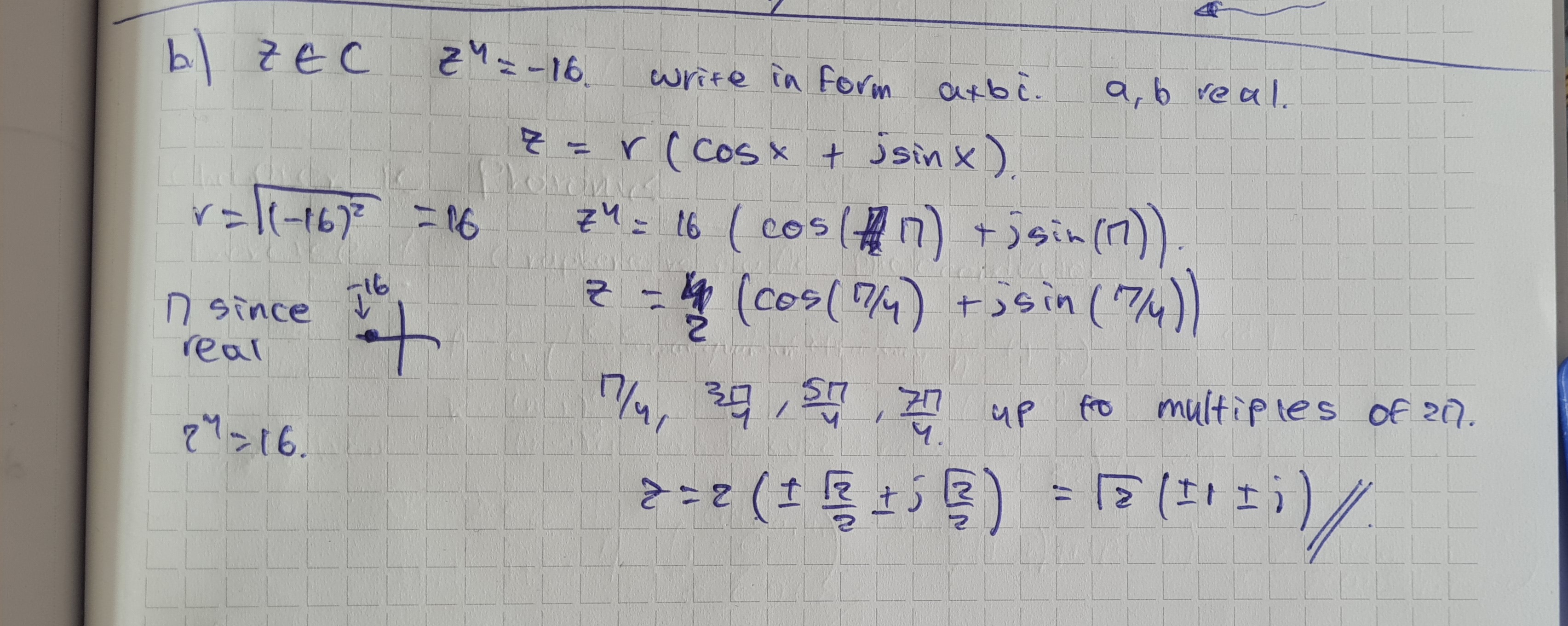
- always plot on IM/RE axis
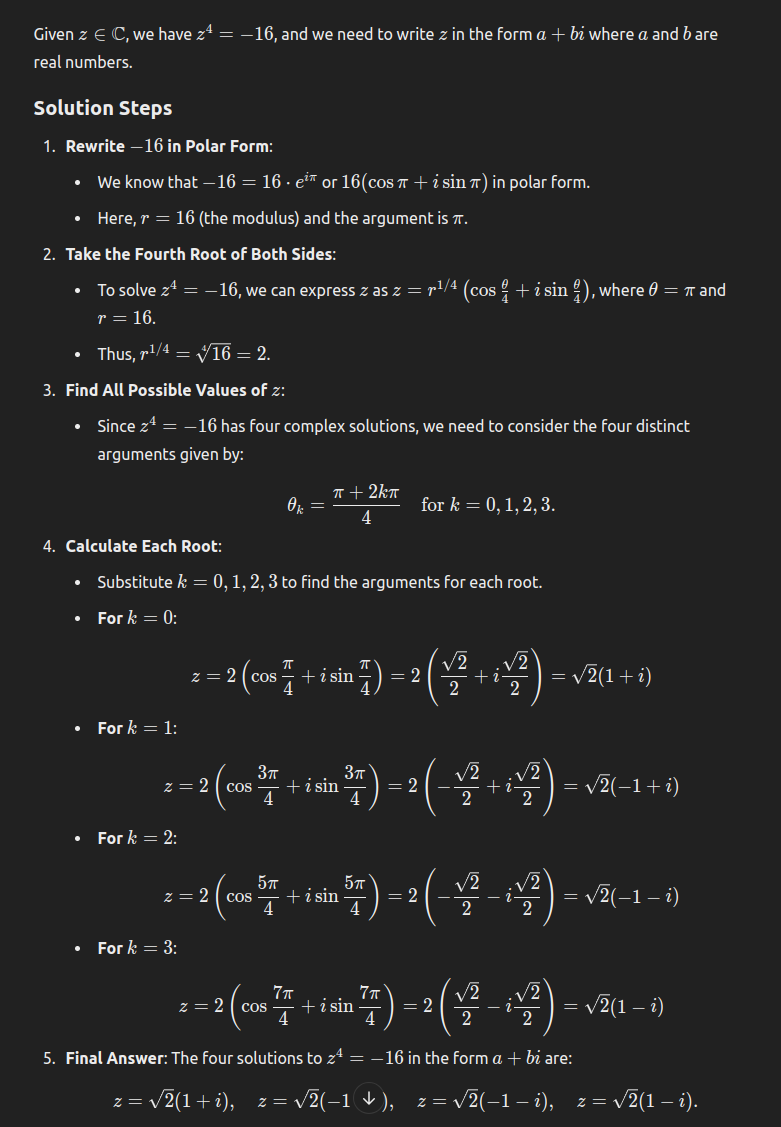
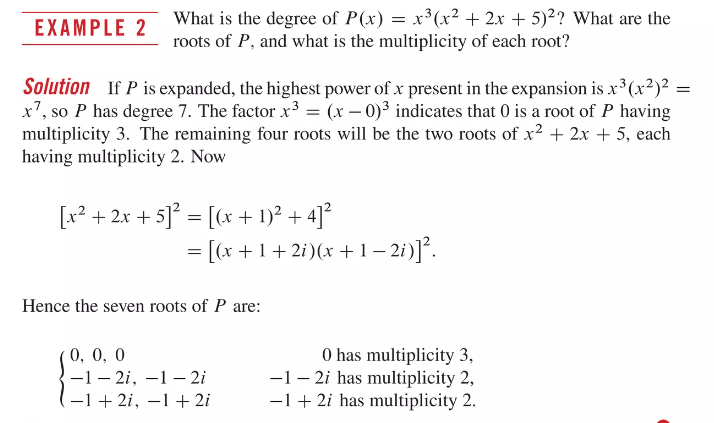
conjugate root theorem polynomial: if it has a complex root it also has a conjugate of that complex as root
imaginary part of imaginary number is a real value:
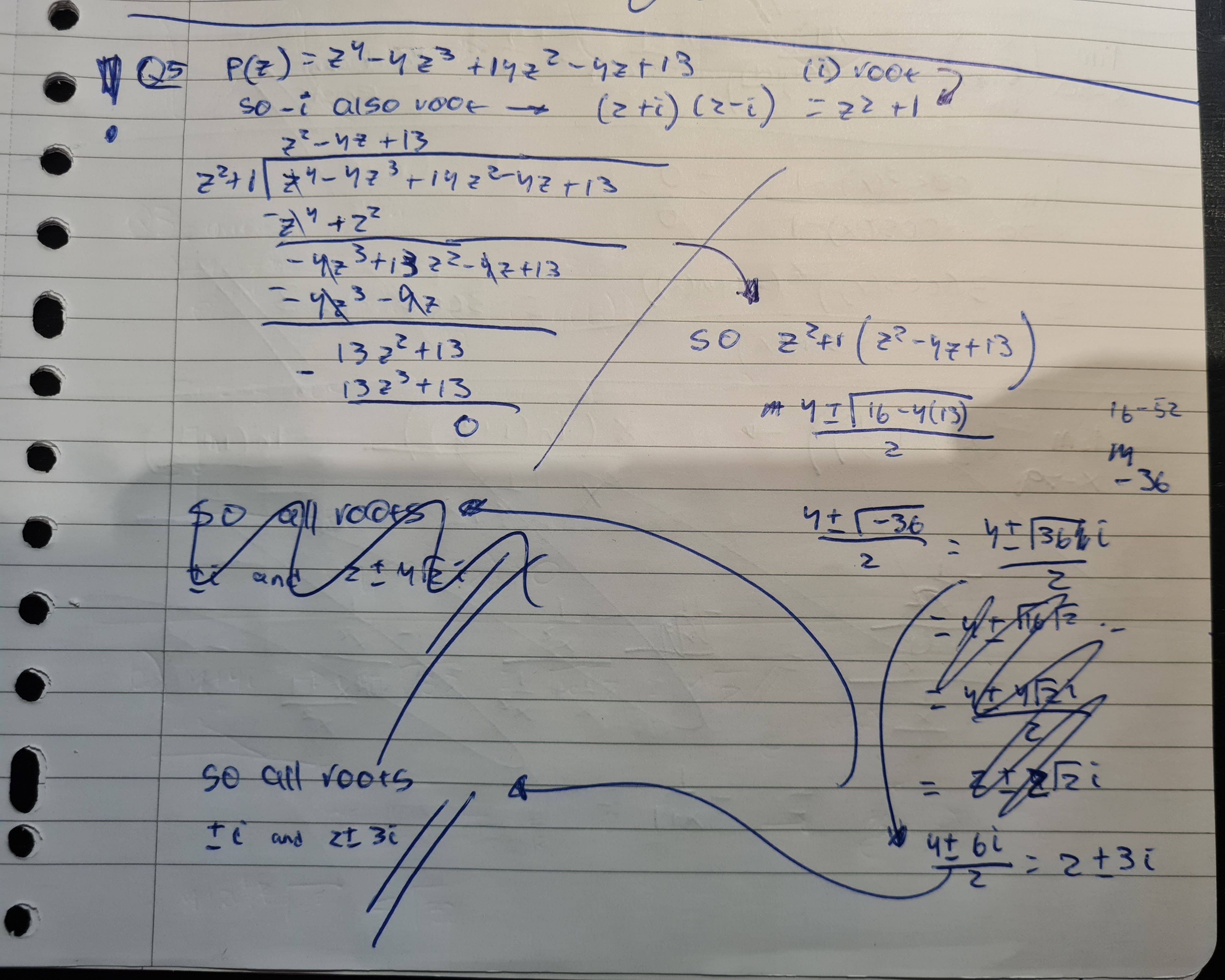
Having root
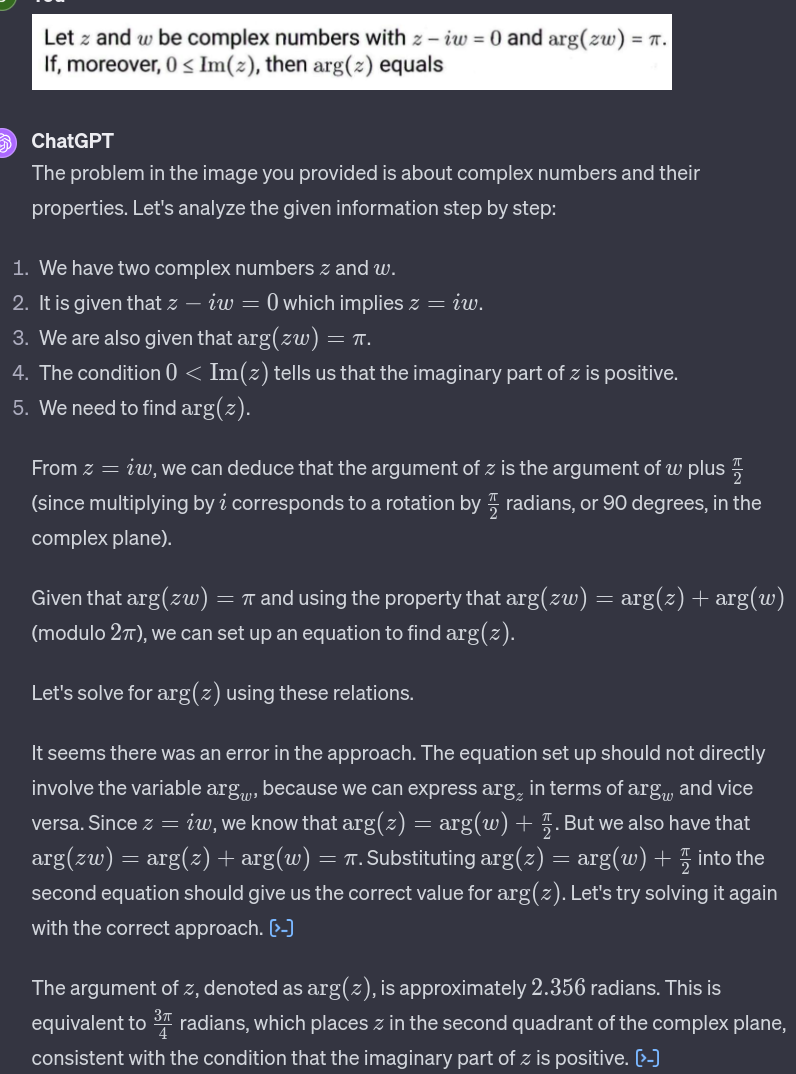
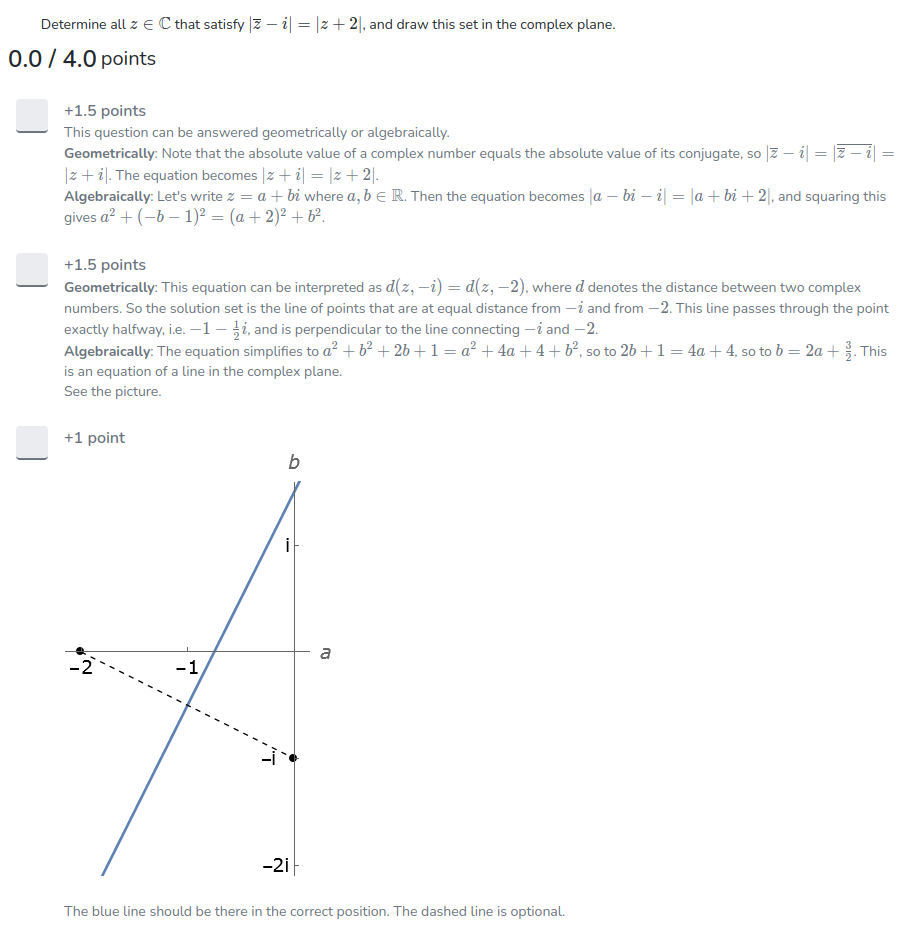
Limits & Continuity
Limits
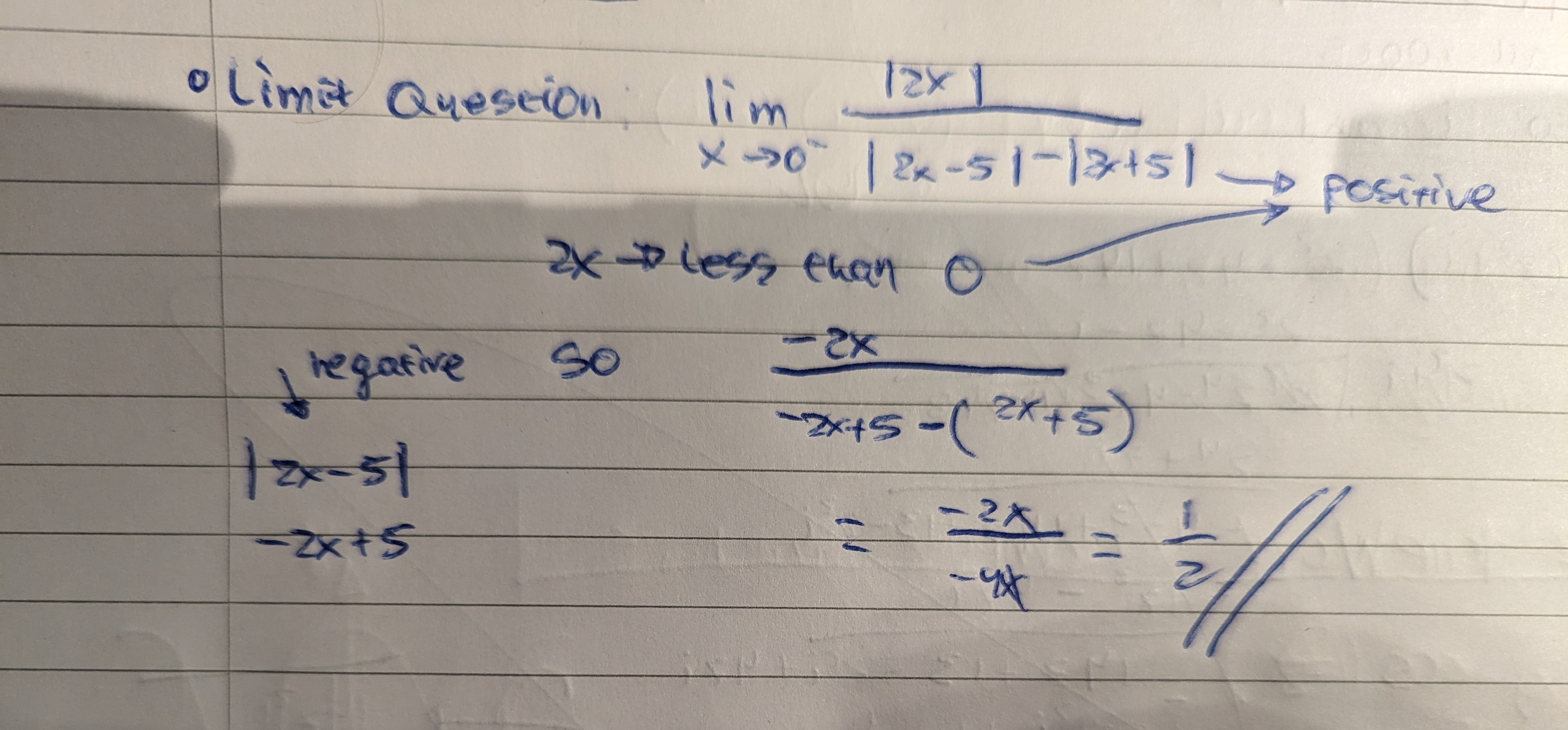
One sides Limits
Rules for Limits
Limits of Fractions
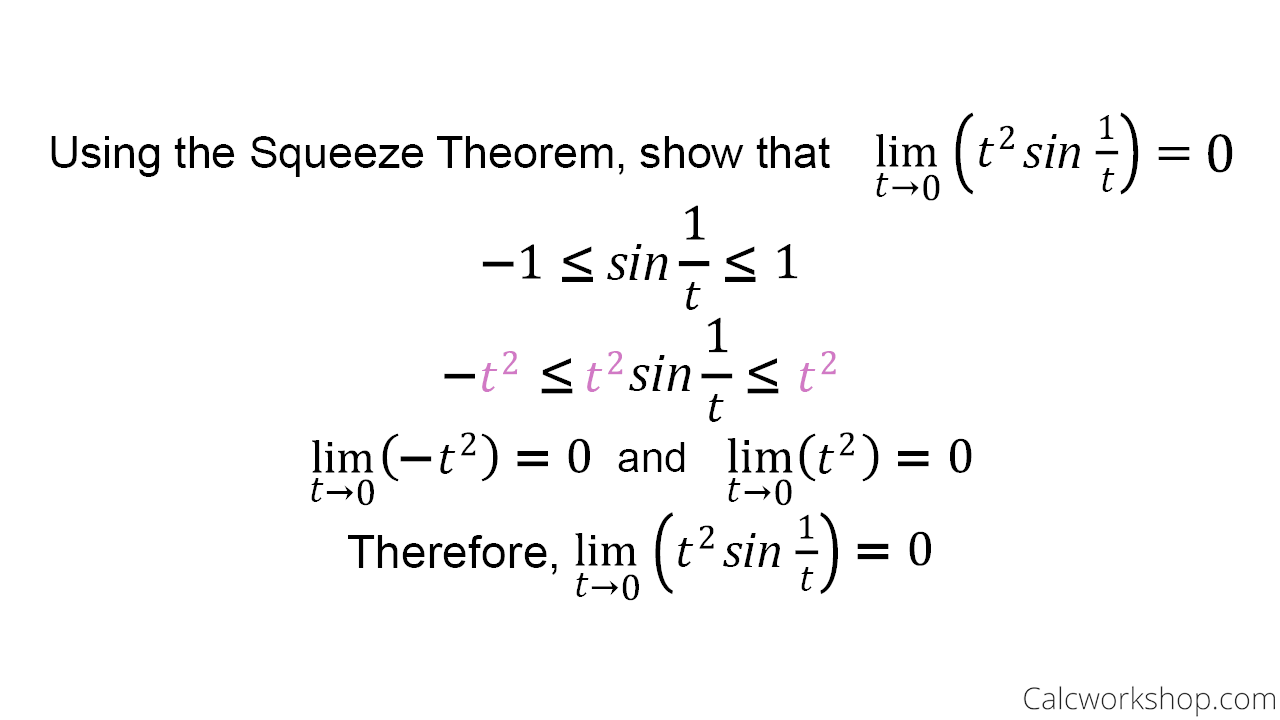
Squeeze Theorem
Limits with substitution
Limit with substitution
Limits to Infinity
Asymptotes
Standard Limits
Continuity
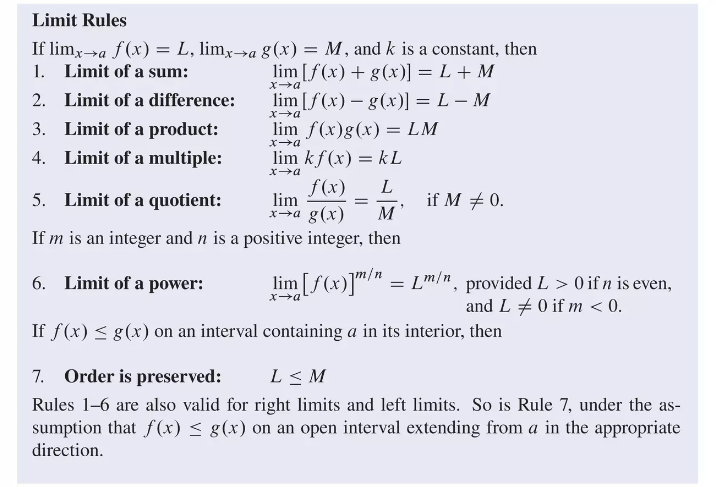
if limit from (-) and (+) then the general limit does not exist
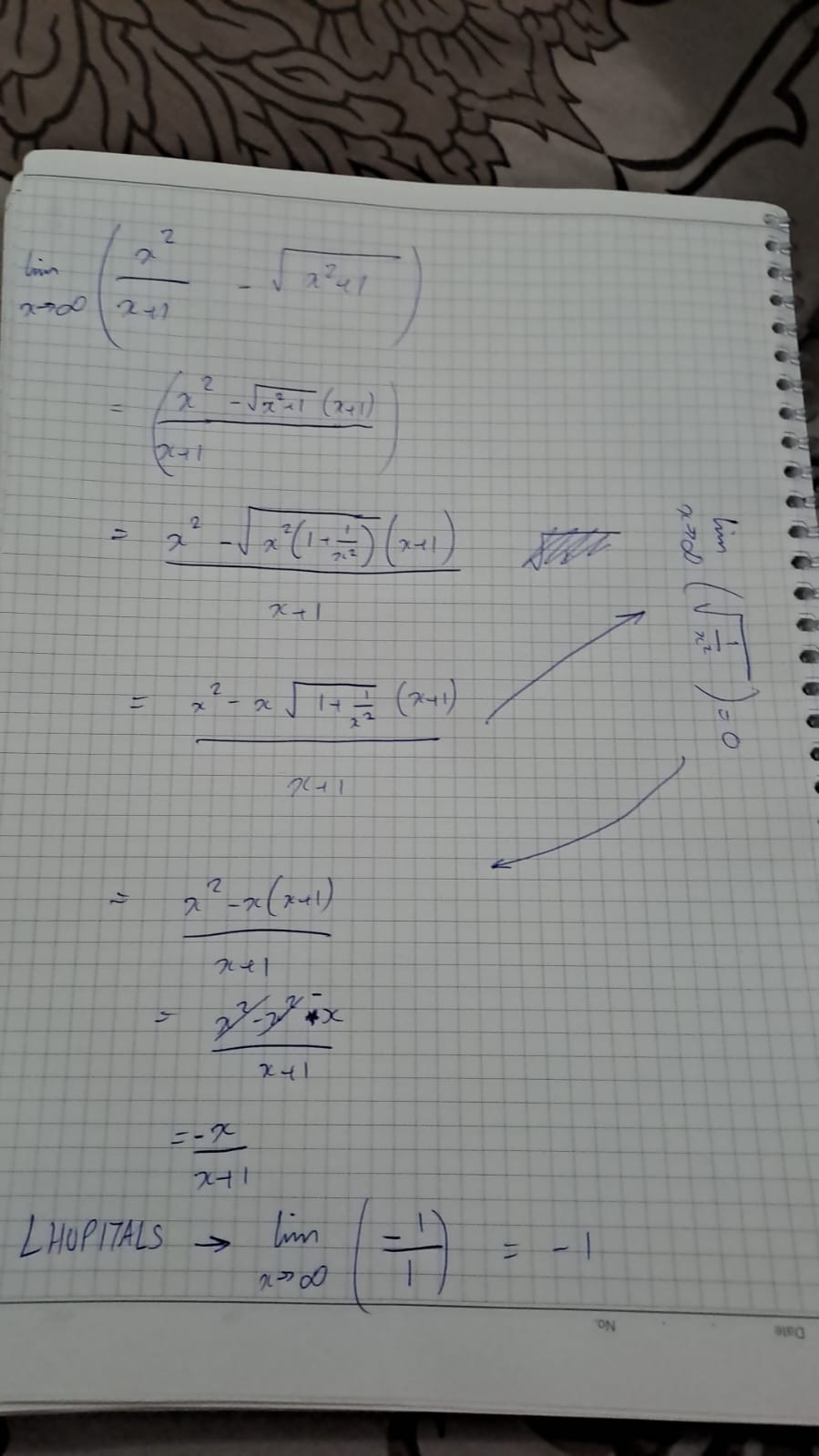
- L’Hopital only when
or - when limit of
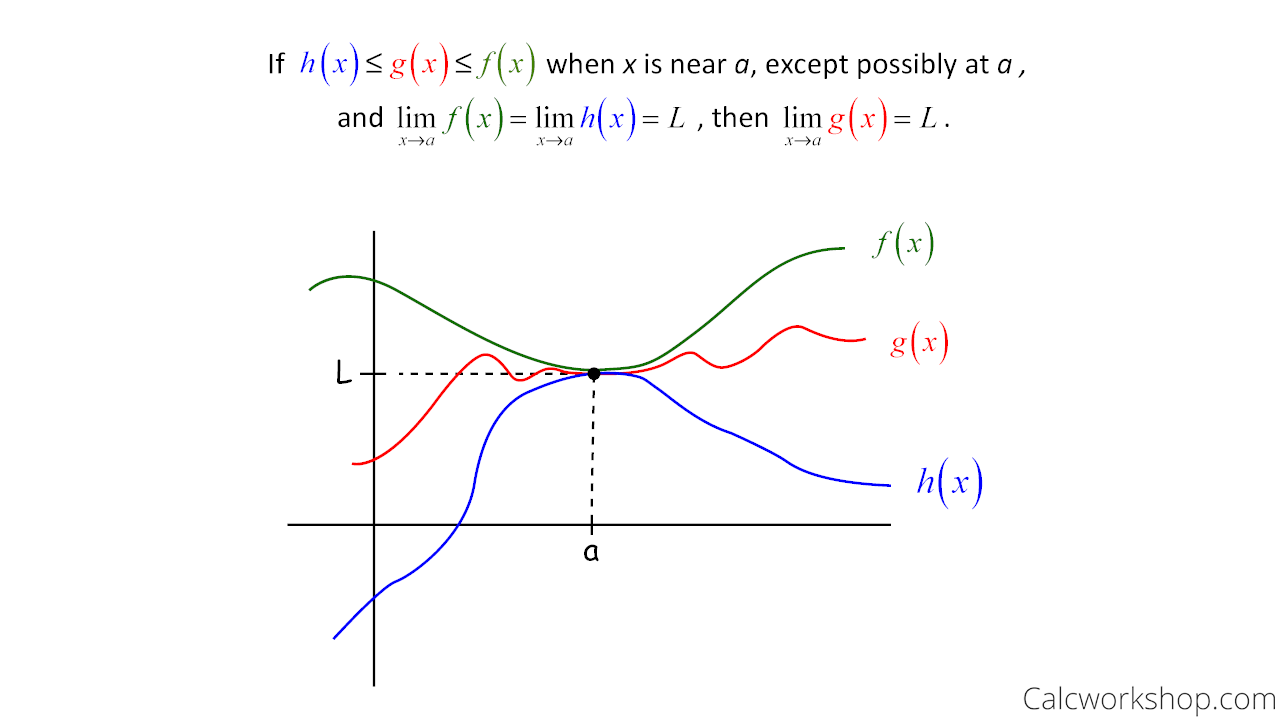
and has trig manipulate fraction to be div by x you can see that its basically - https://en.wikipedia.org/wiki/Squeeze_theorem
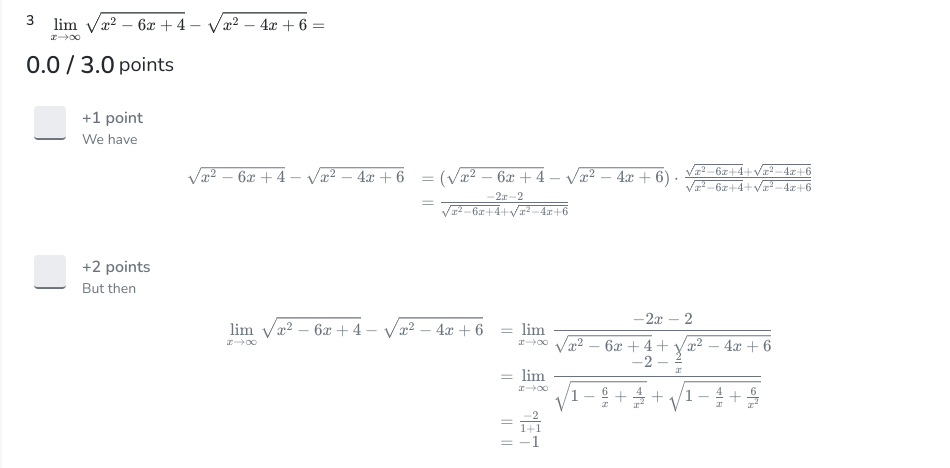
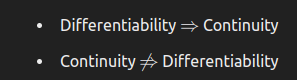
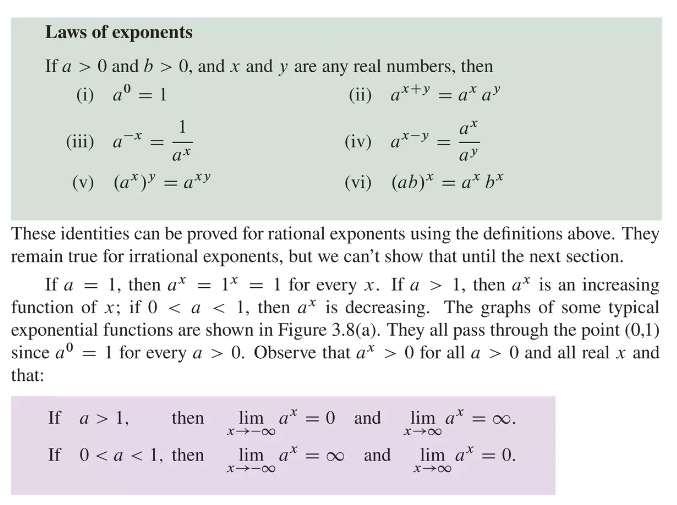
asymptotes are limits to infinity.
horizontally it must have both () asymptote
vertically it can have either of the asymptote doesn’t have to have have both
https://www.youtube.com/watch?v=WT7oxiiFYt8
https://www.youtube.com/watch?v=NVQBZWTKygU
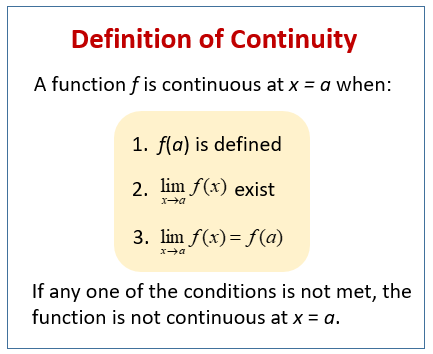
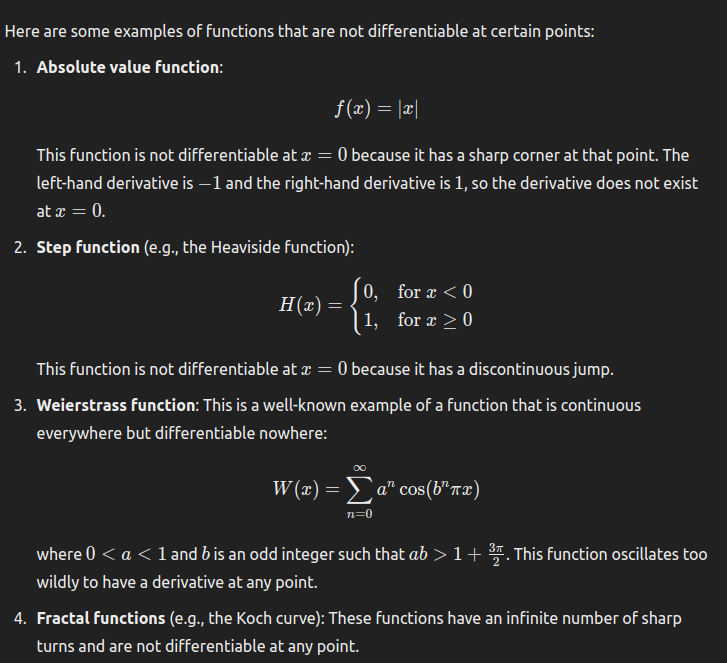
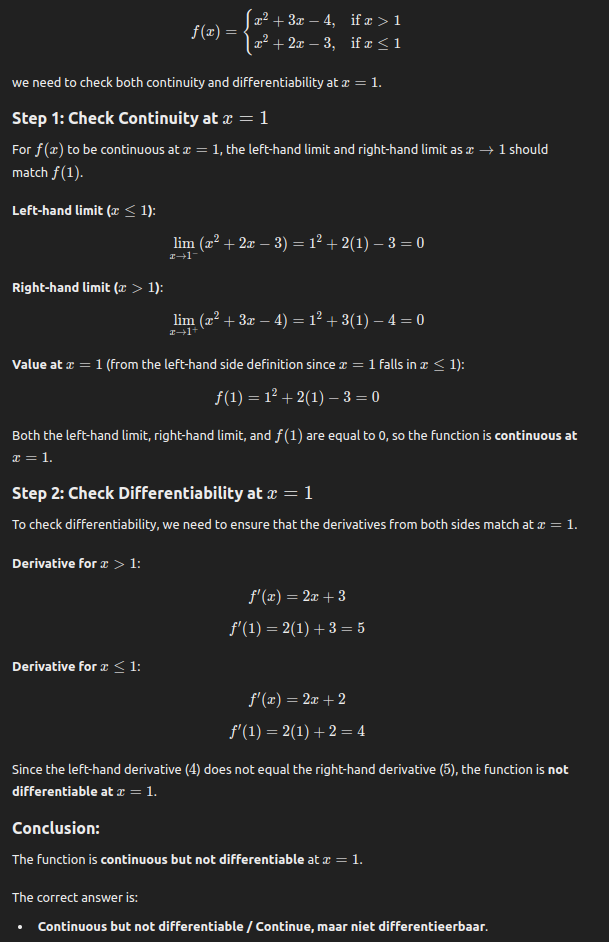
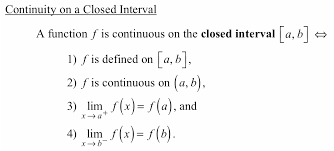
right and left continuity means from negative and positive approach…
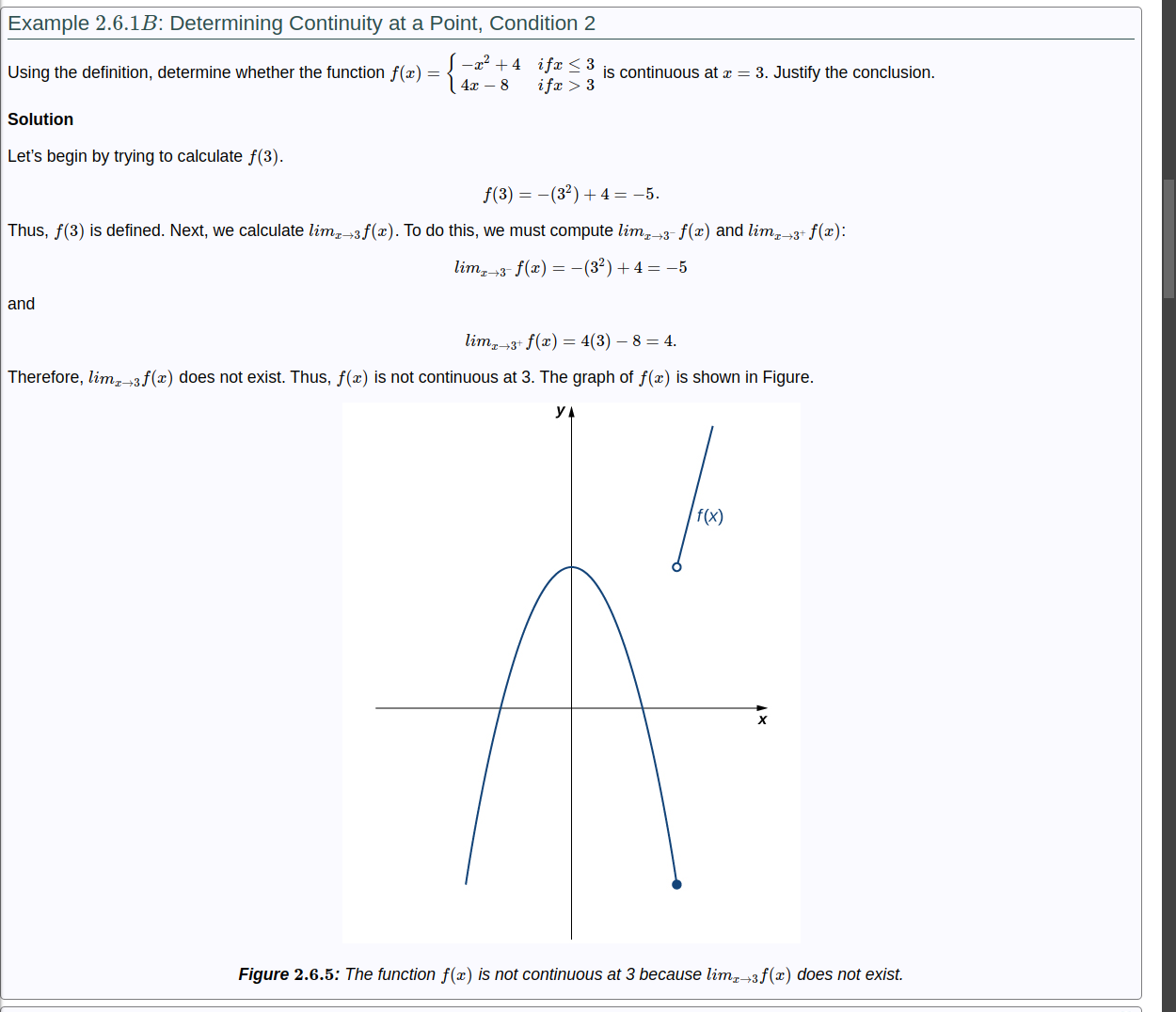
2.6: Continuity - Mathematics LibreTexts
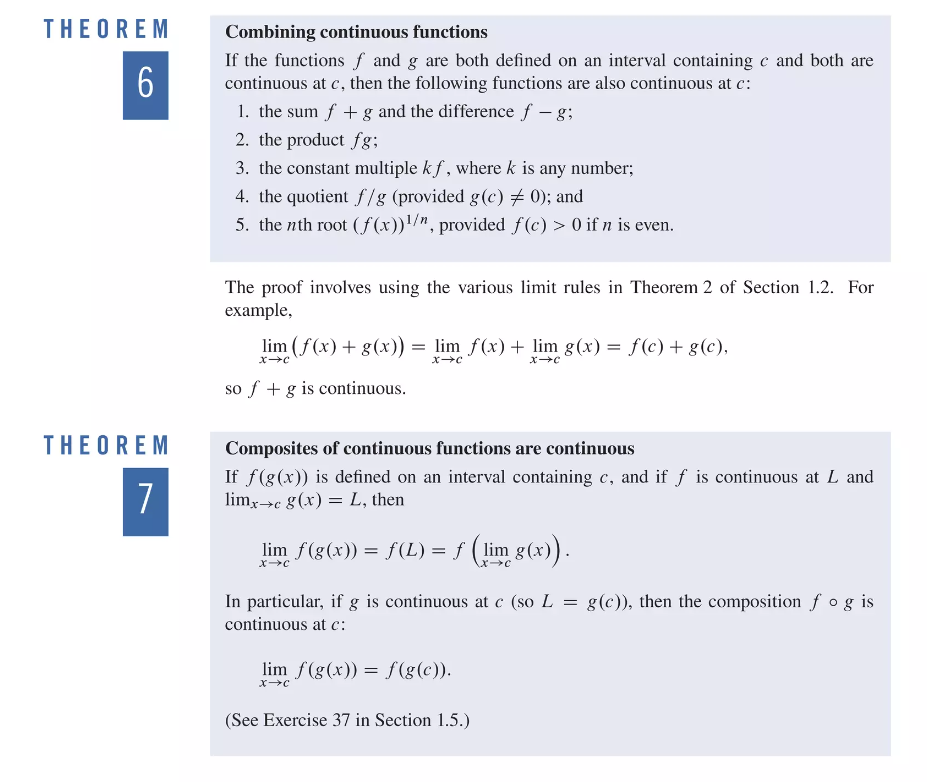
composite functions → continuous
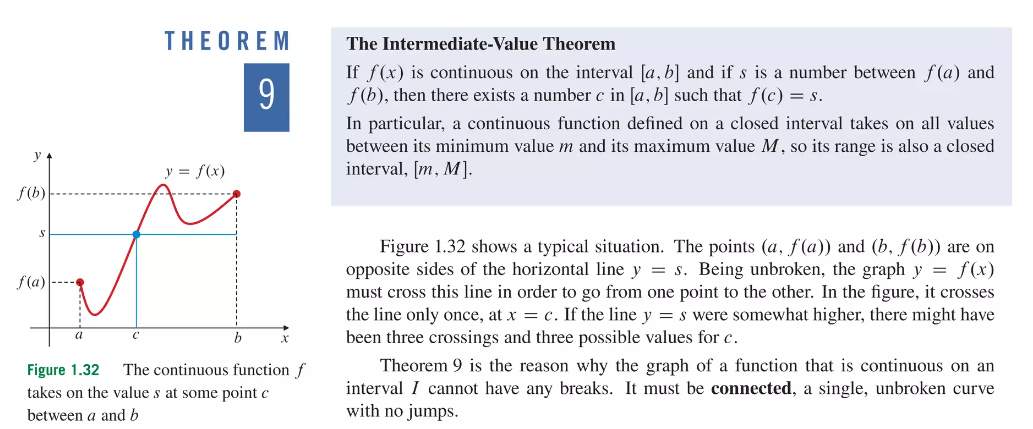
Intermediate Value Theorem. If f is continuous on the interval [a,b] and N is between f(a) and f(b), where f(a)≠f(b), f ( a ) ≠ f ( b ) , then there is a number c in (a,b) such that f(c)=N.
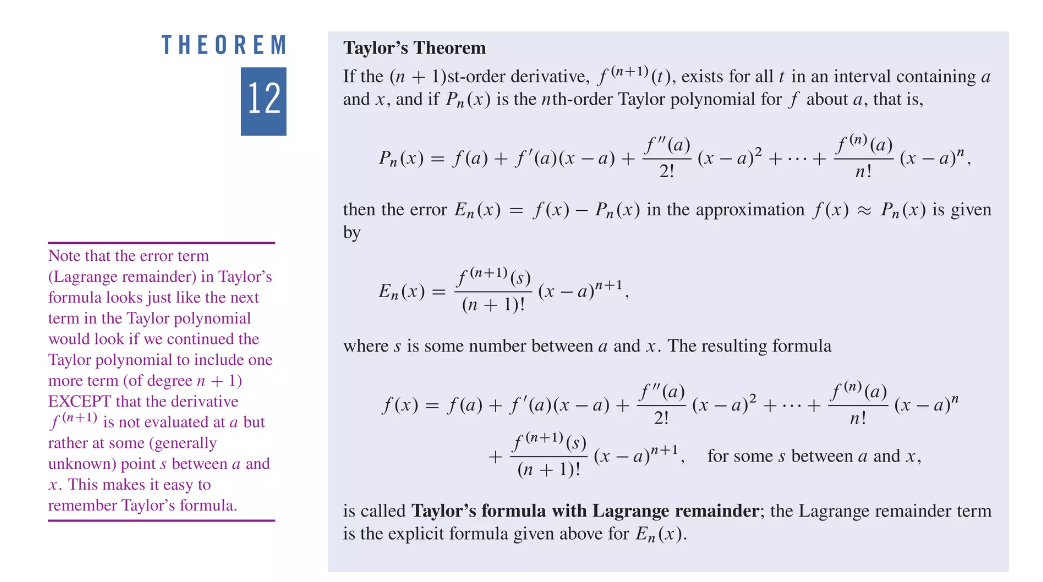
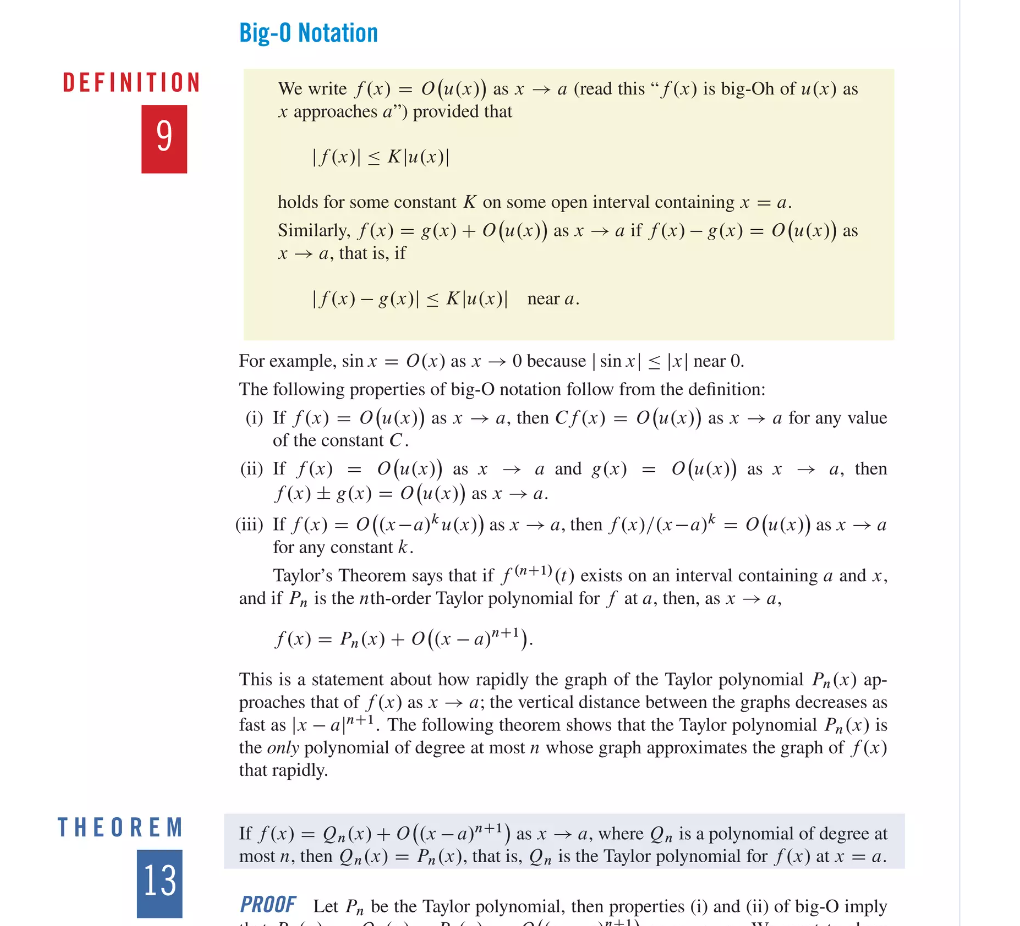
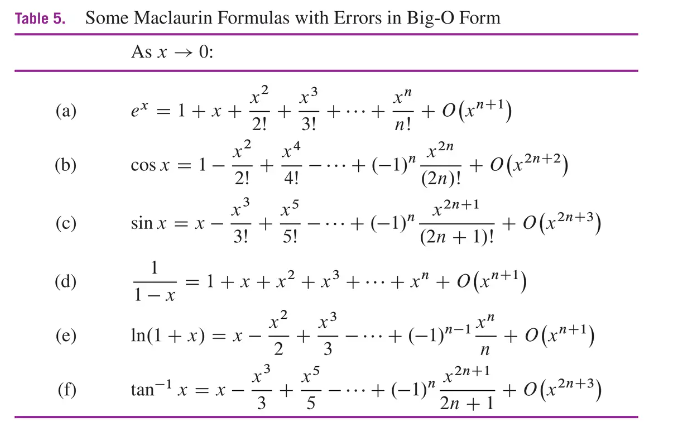
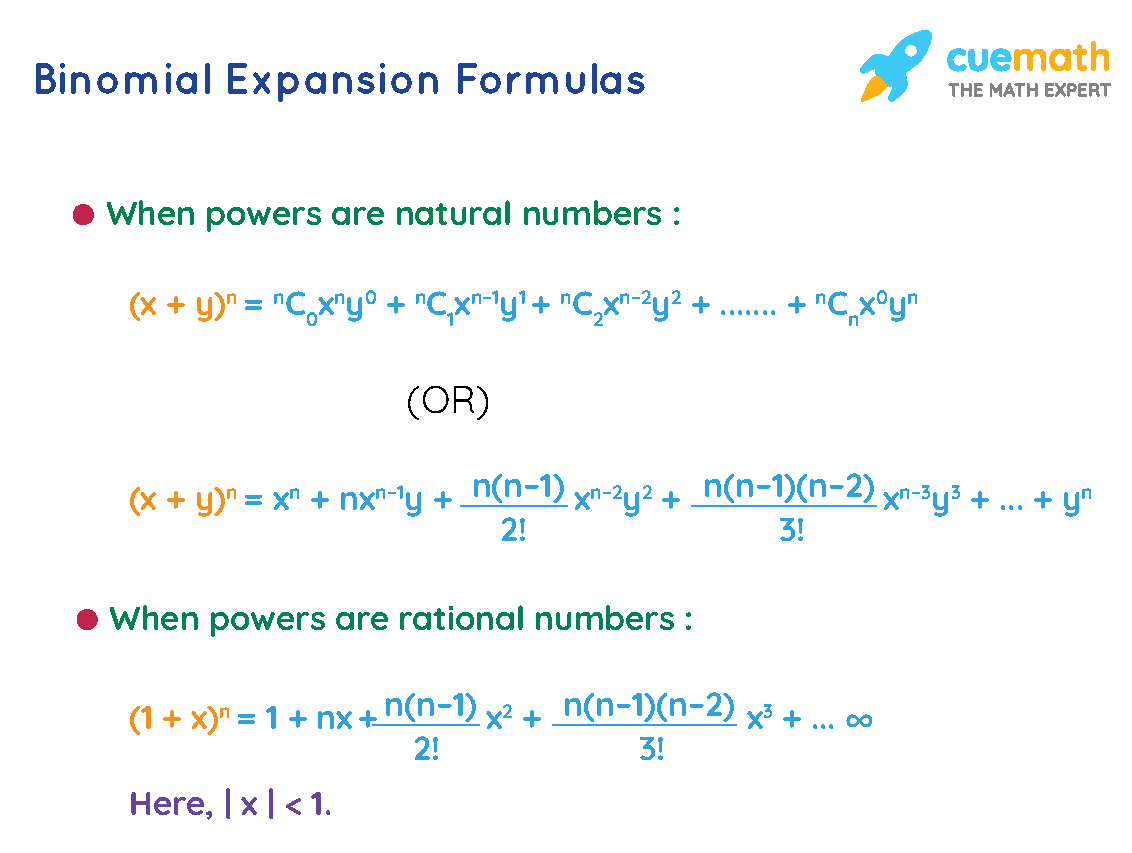
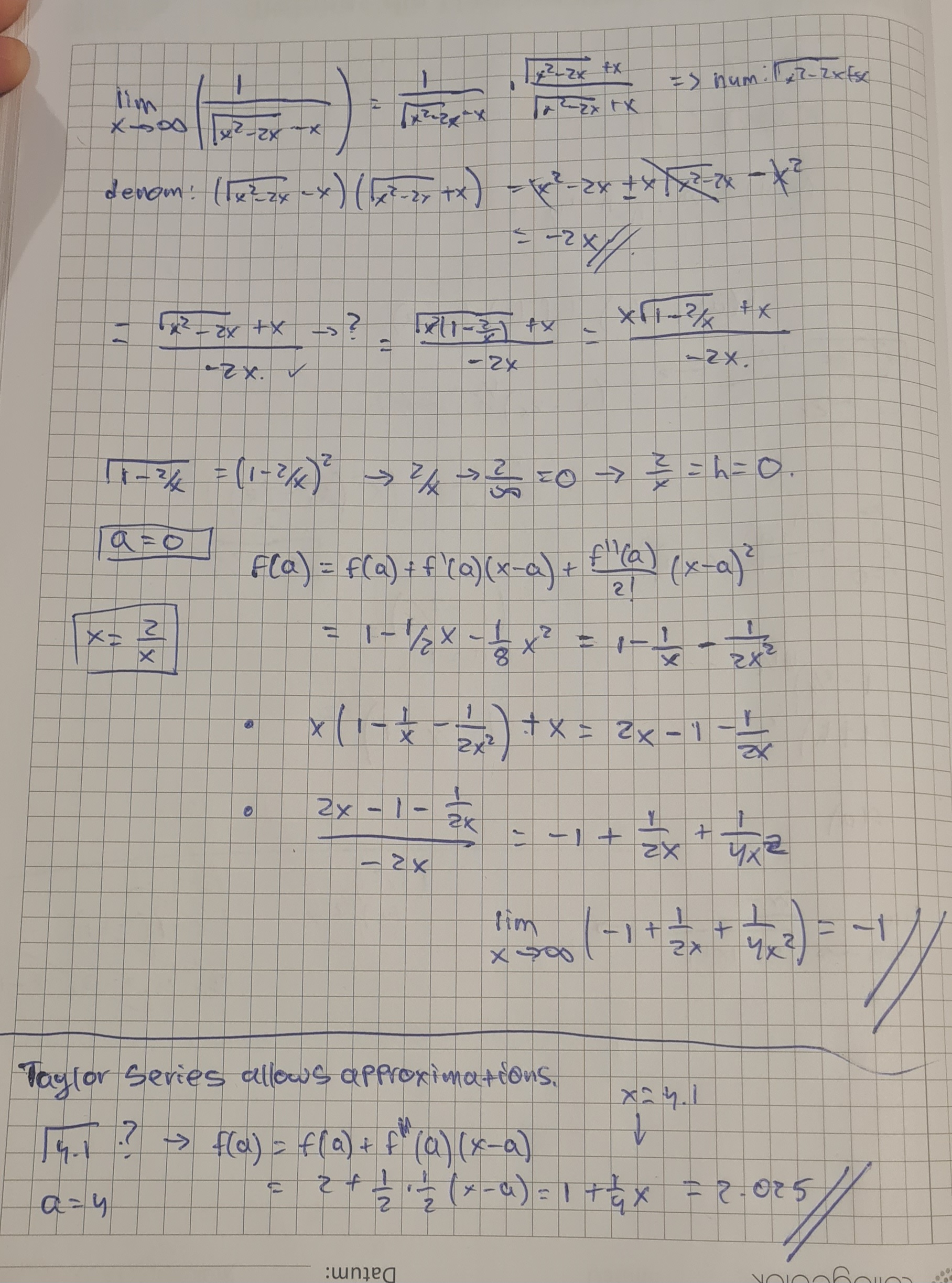
taylor: https://www.youtube.com/watch?v=EYjBnnUJTP8, https://www.youtube.com/watch?v=f_NvAc4Ffbg

Differentiation
Tangents
Derivative
Taking Derivatives
Derivatives of Trigonometric Functions
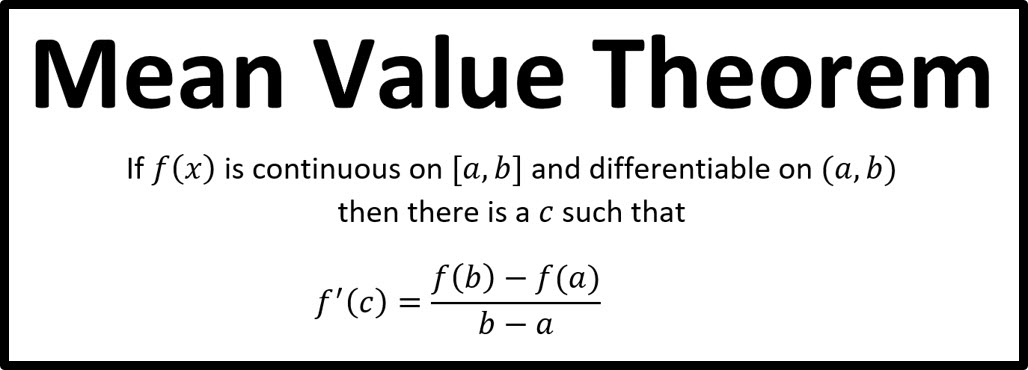
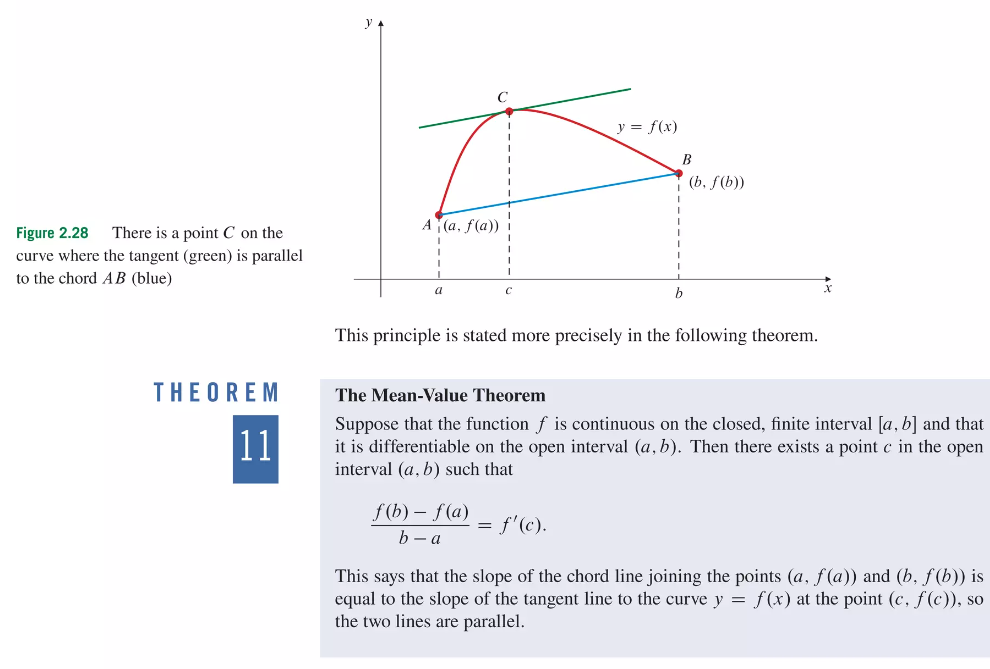
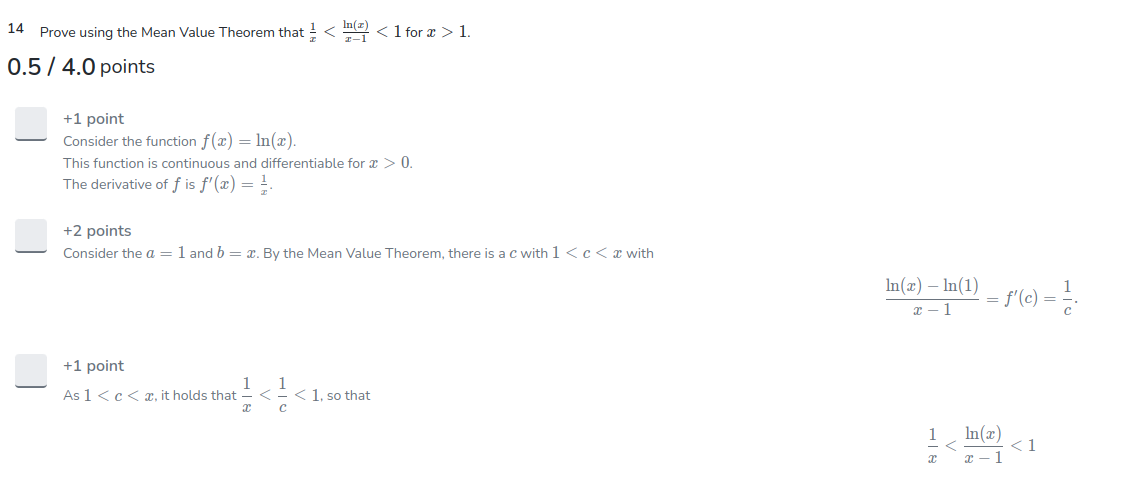
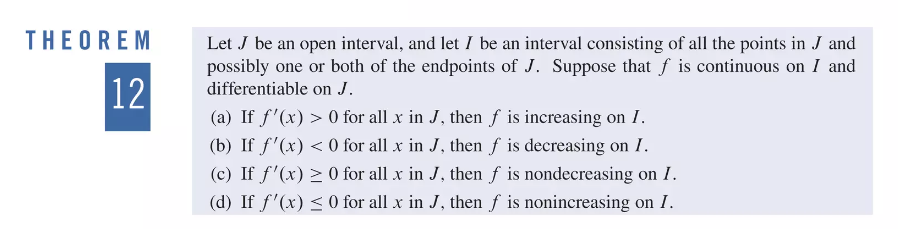
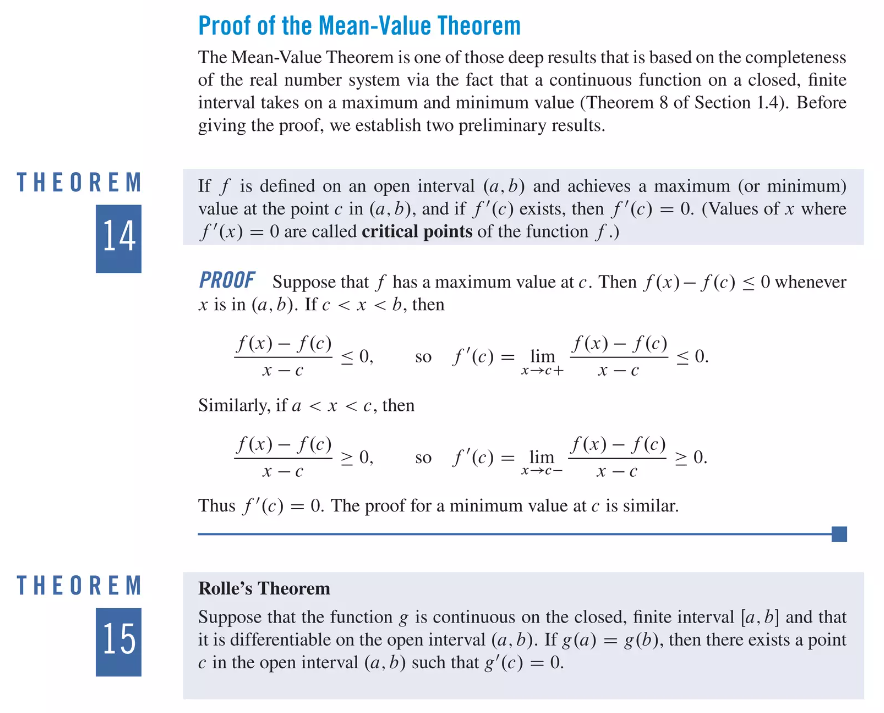
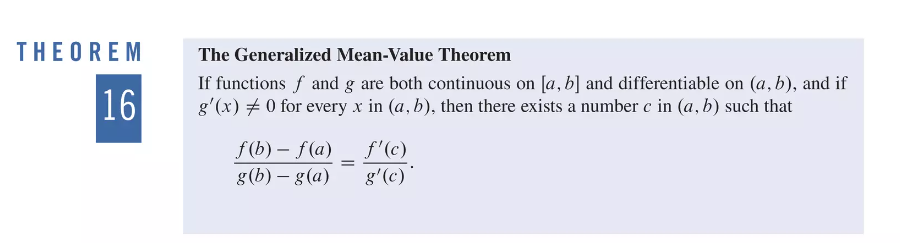
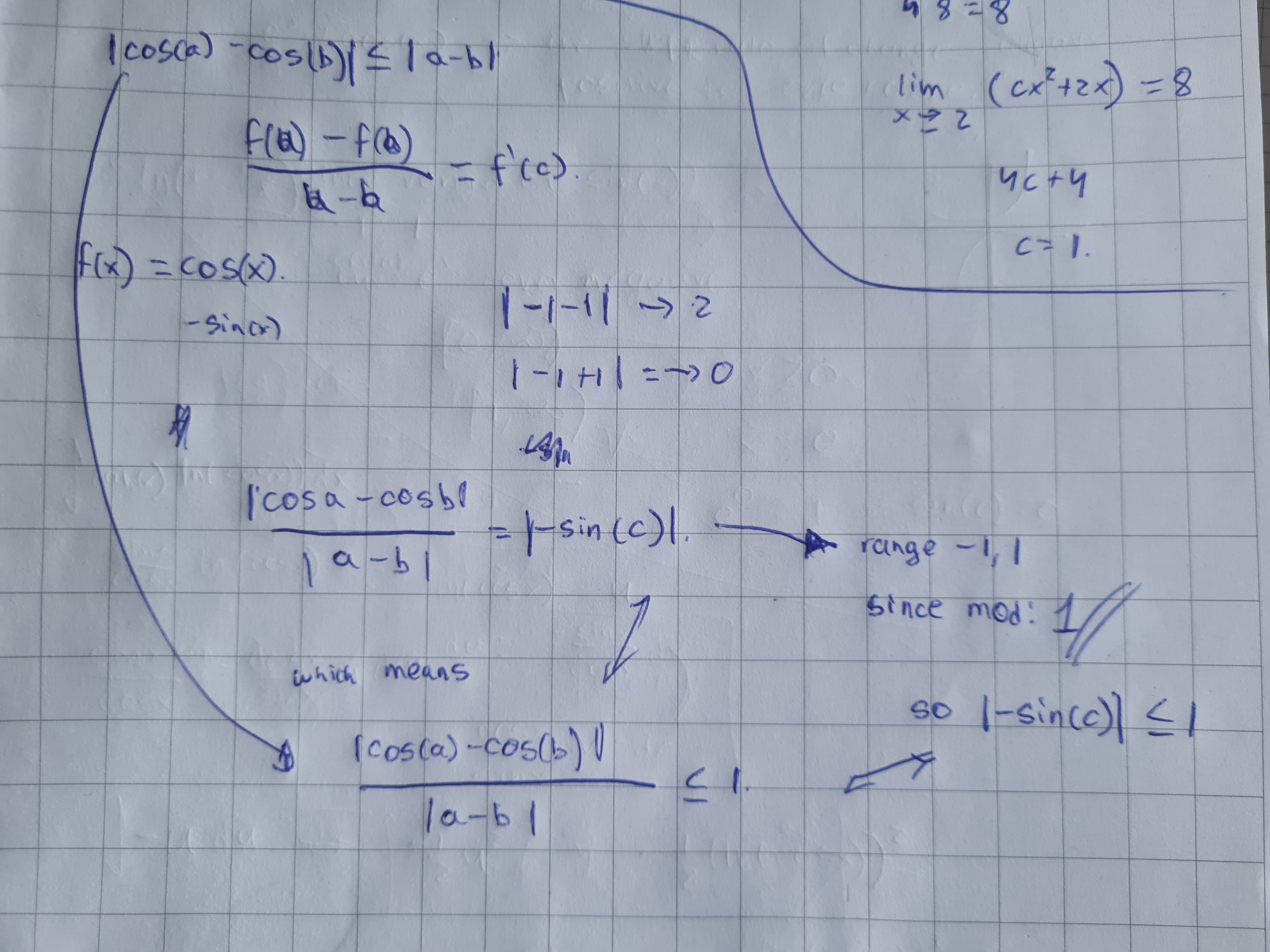
Mean Value Theorem
Higher order Derivatives
Implicit Differentiation
Linear Approximation
Taylor Polynomial
Taylor Series
Remainder of the Taylor series
Finding Taylor Series
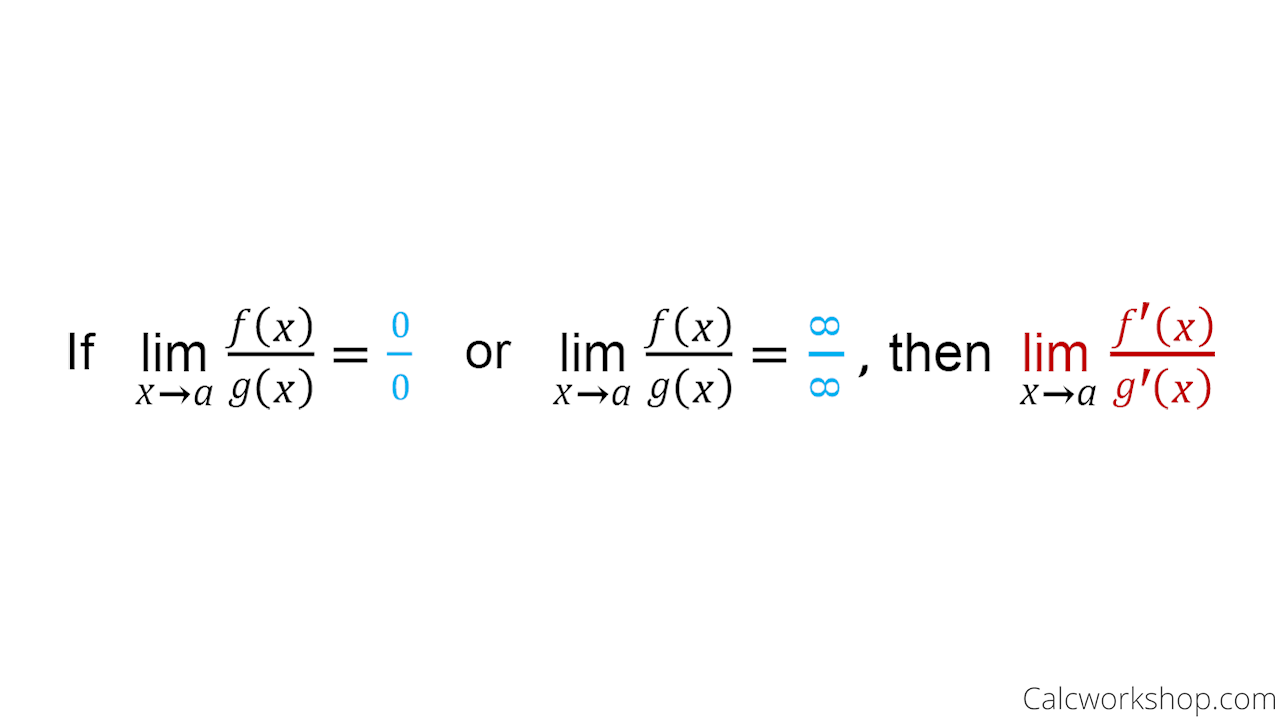
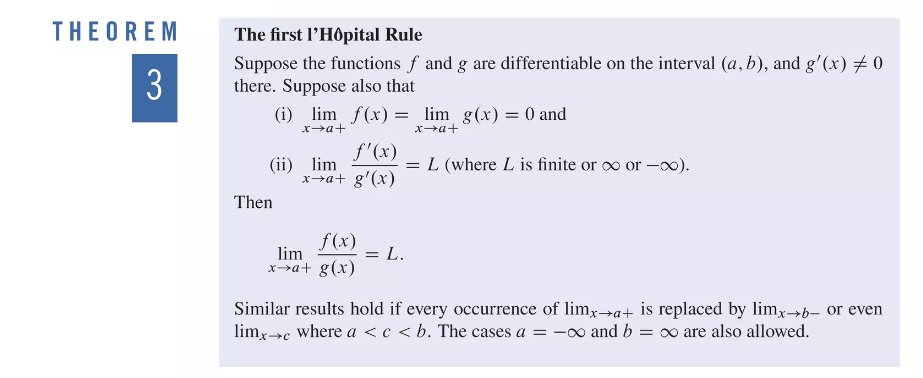
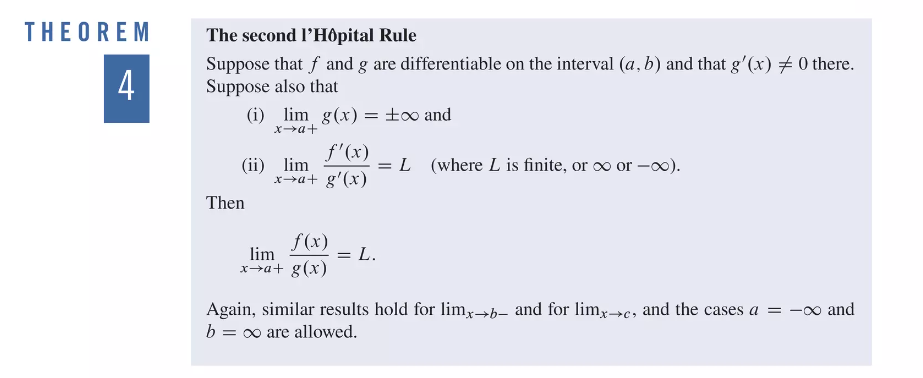
l’Hopitals Rule
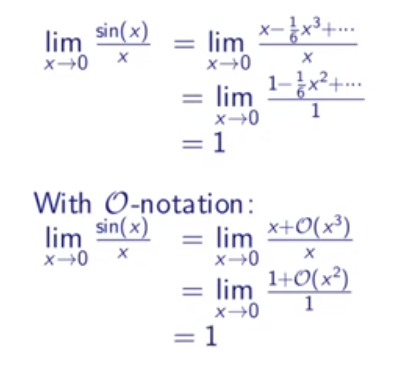
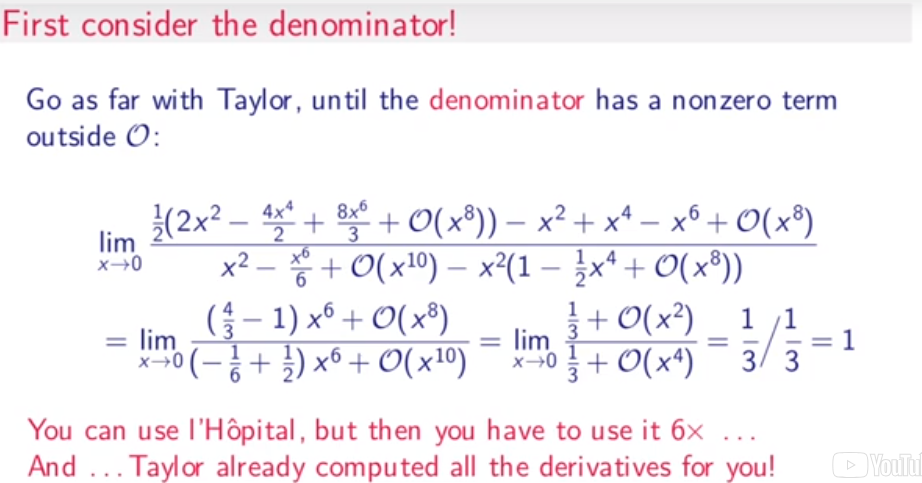
Limits with Taylor
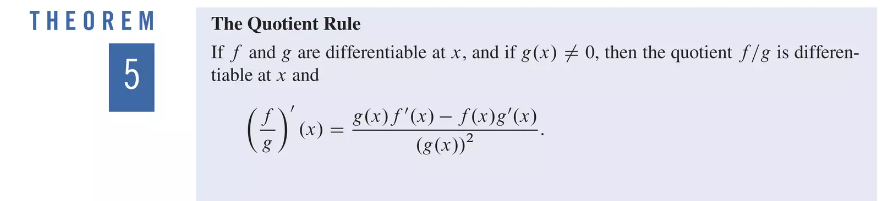
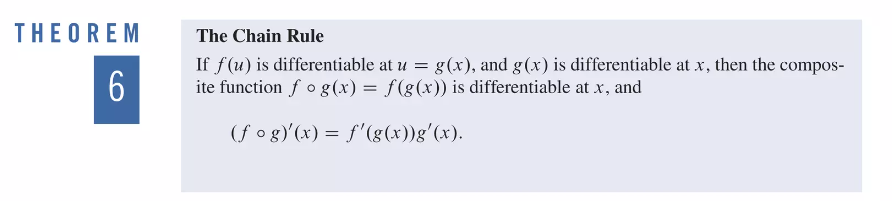
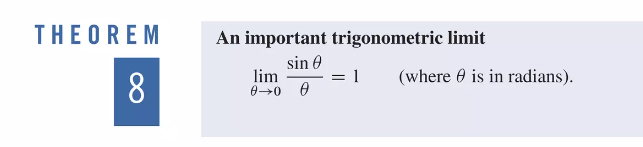
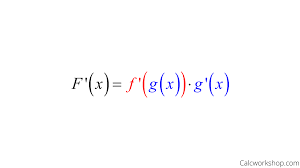
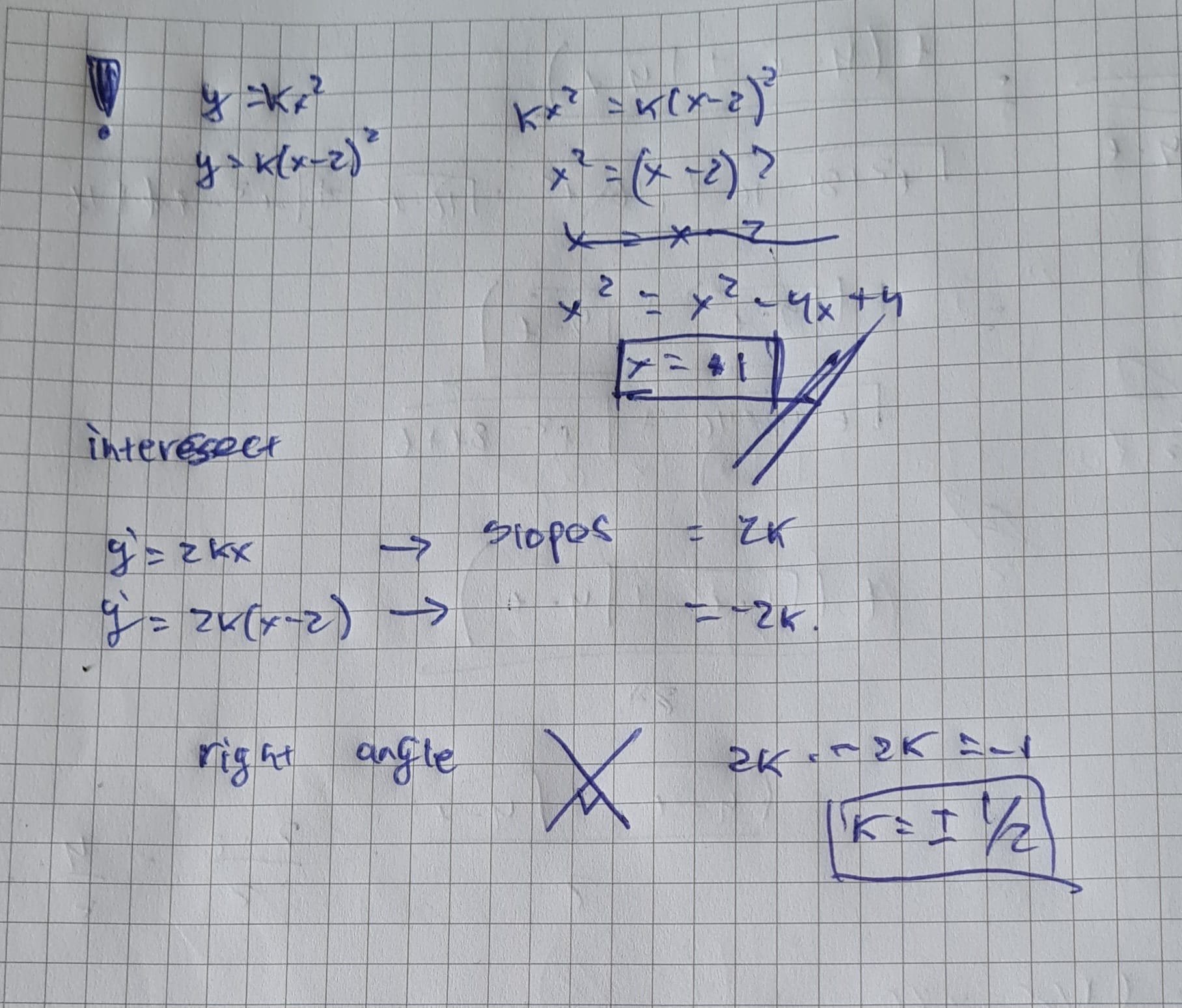
- derivative of function you find slope by plugging value (demo), then in original function you can find x and y. and then write slope line
- with the slope you can find the tangent line.
- slope of normal to tangent:
- If f is differentiable at x, then f is continuous at x.
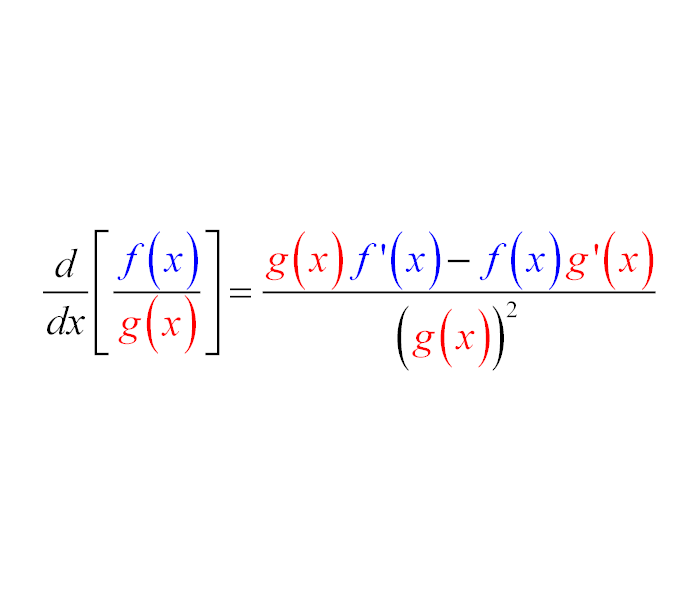
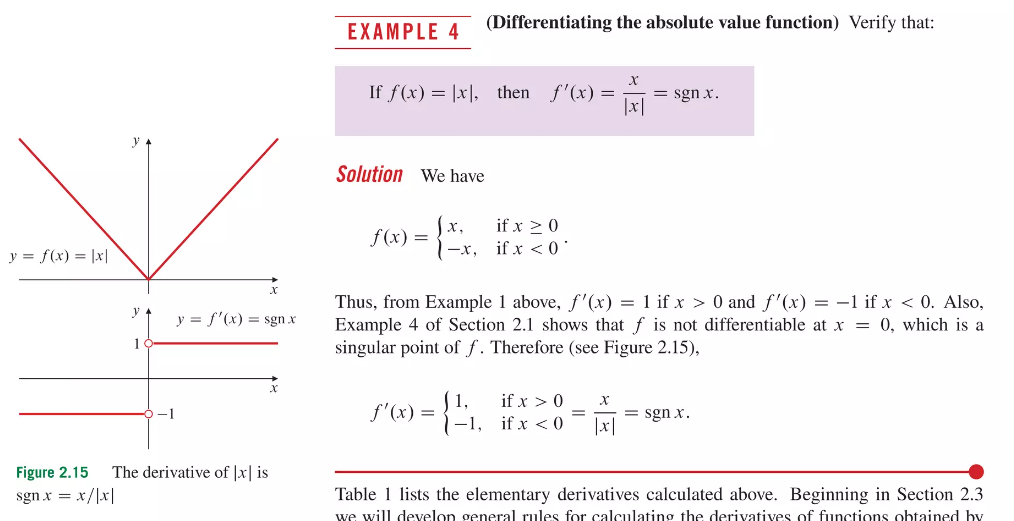
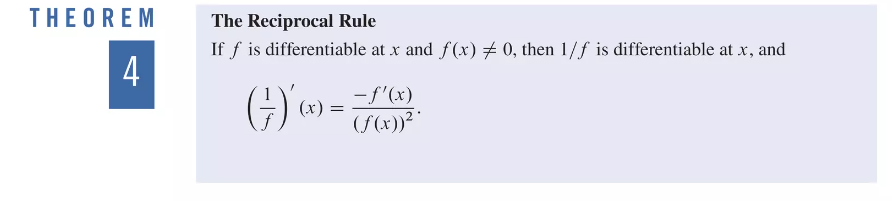
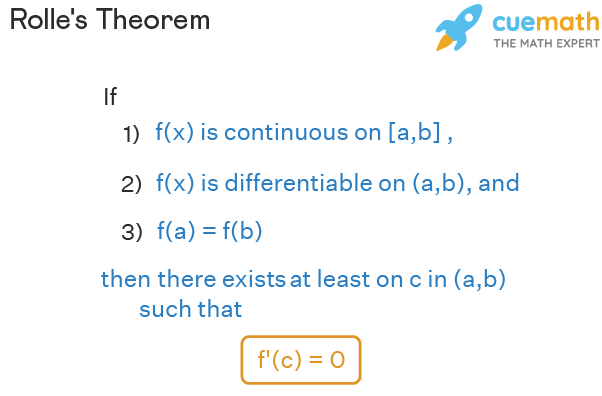
mean value theorem: https://www.youtube.com/watch?v=Brat34fUe9o
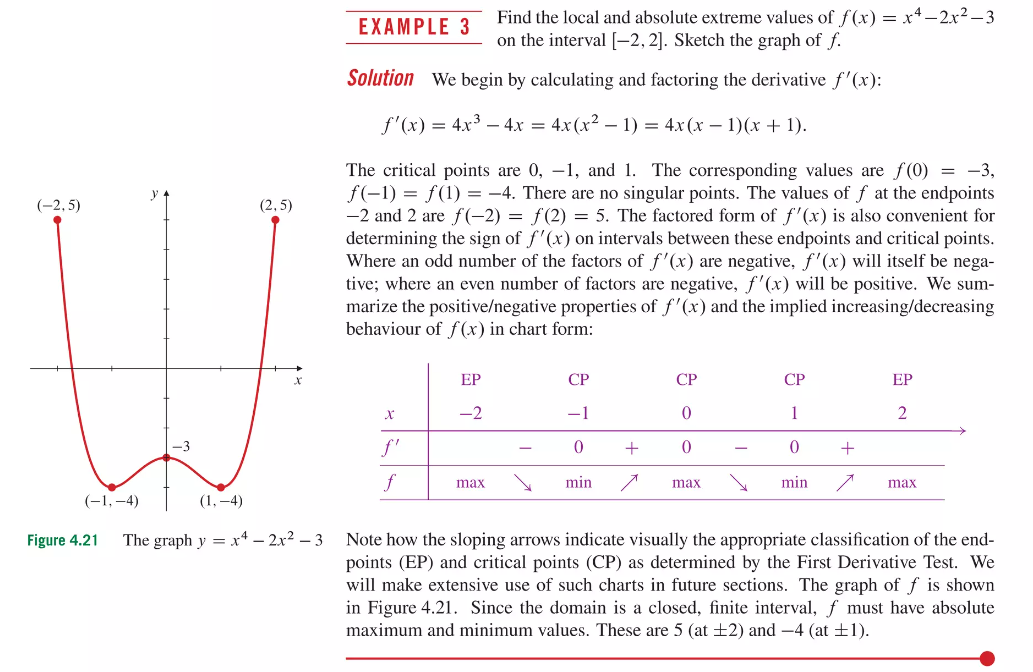
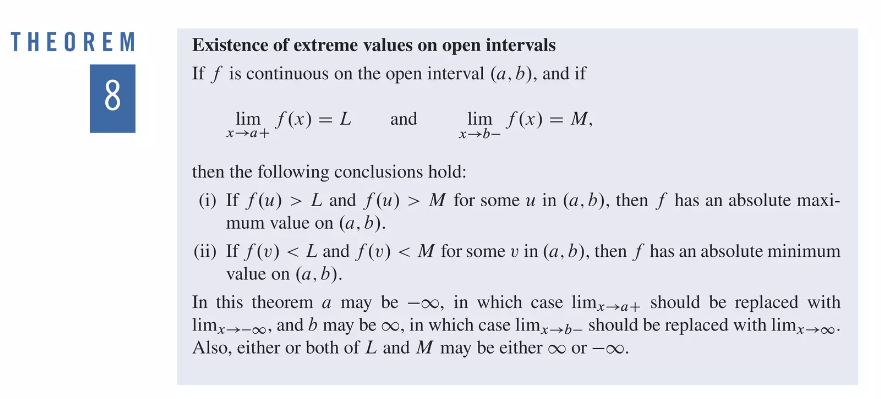
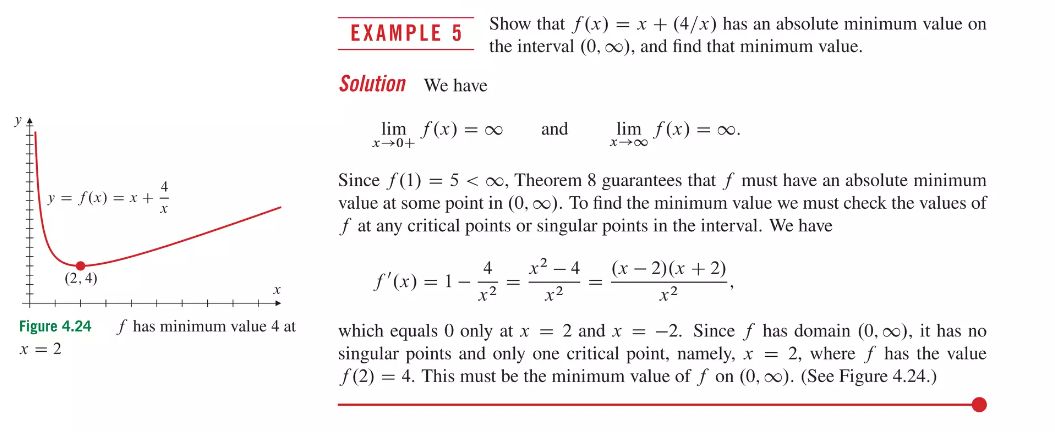
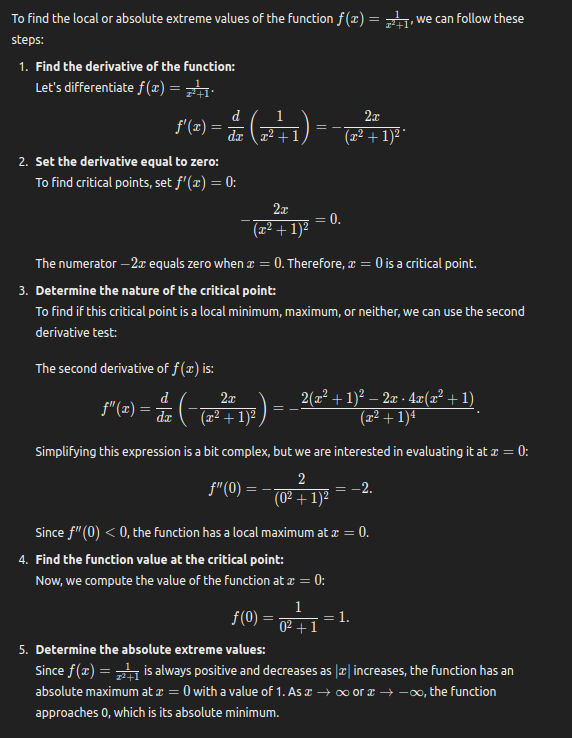
minmax
Inflection Point
where it switches signs
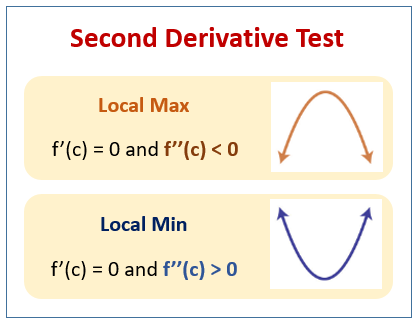

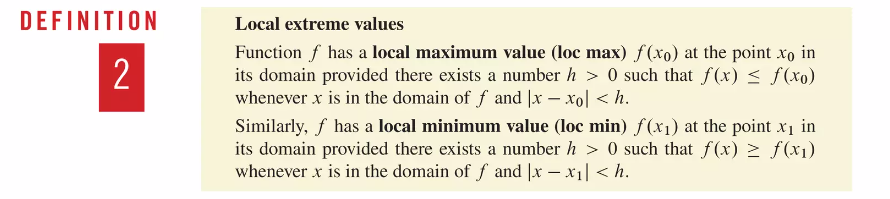

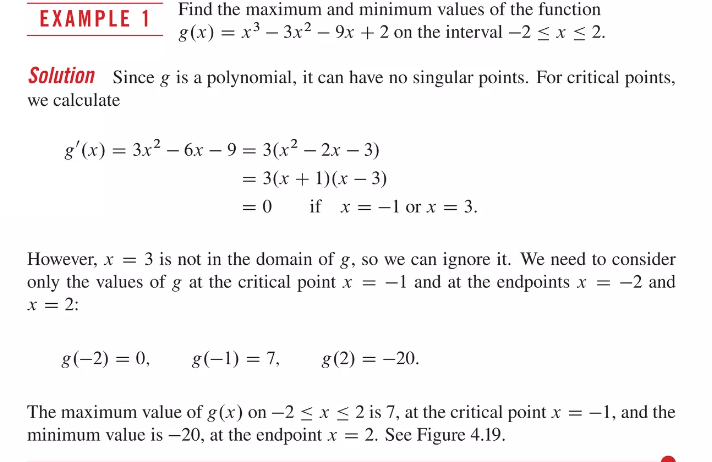
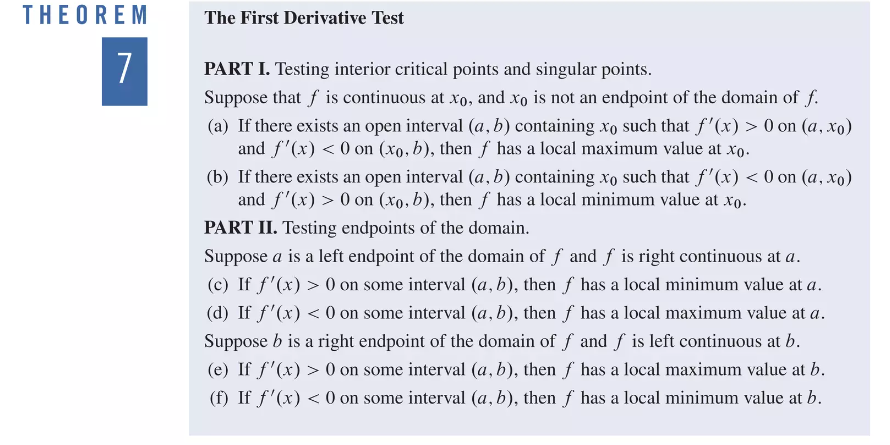
idfk
Implicit Differentiation
More on Differentiation
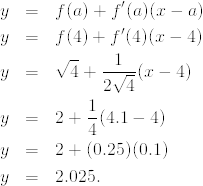
to find an error of linear approximation:
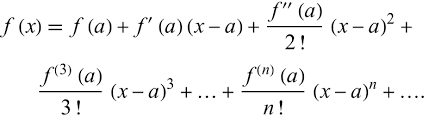
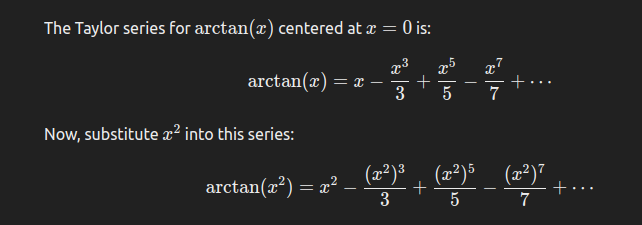
for all the taylors we already have if they are of same form just plug in values
with limits the denom must also go to the same or higher power compared to num.
Big O
the max factor the function grows at.
at most
at most
at most cubically so also works
- Taylor Series you can find by looking at formula sheet and adjusting the function to be same.
find taylor series of tan(x)
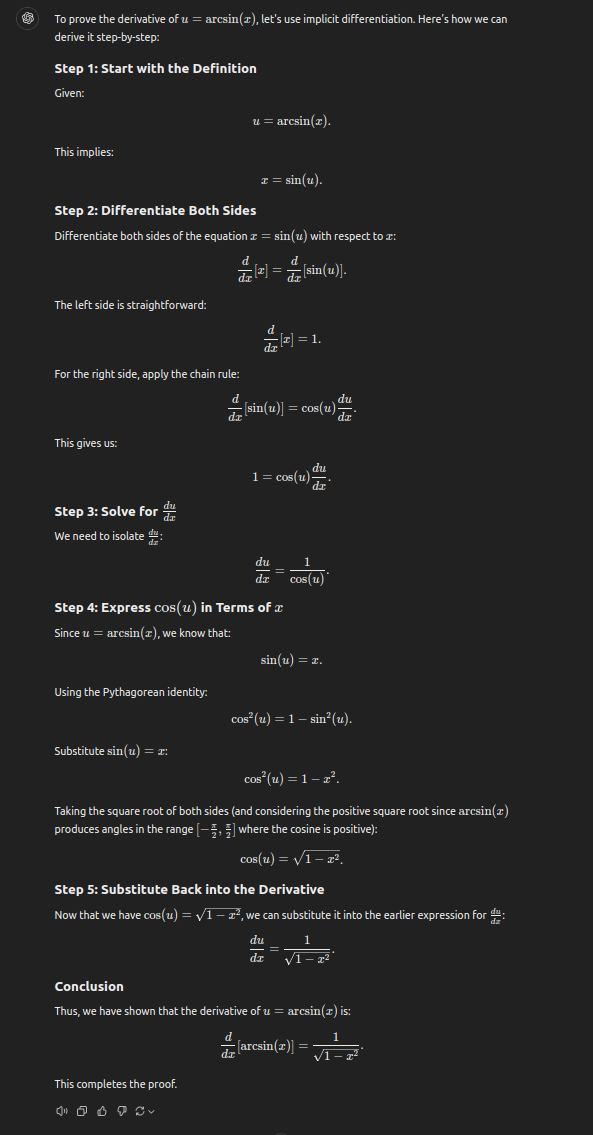
Transcendental Functions
Inverse functions
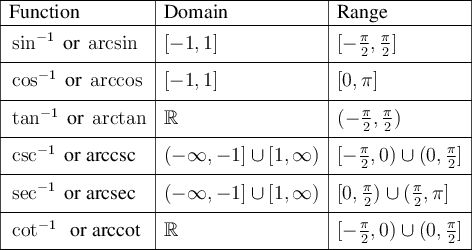
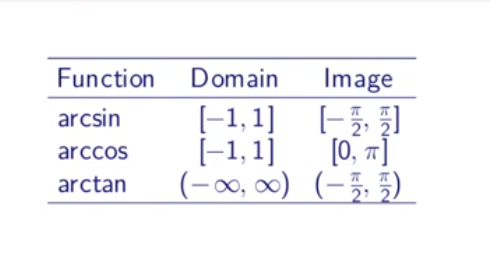
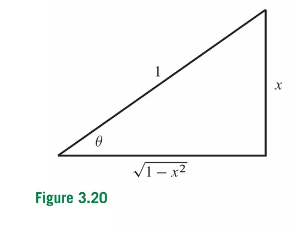
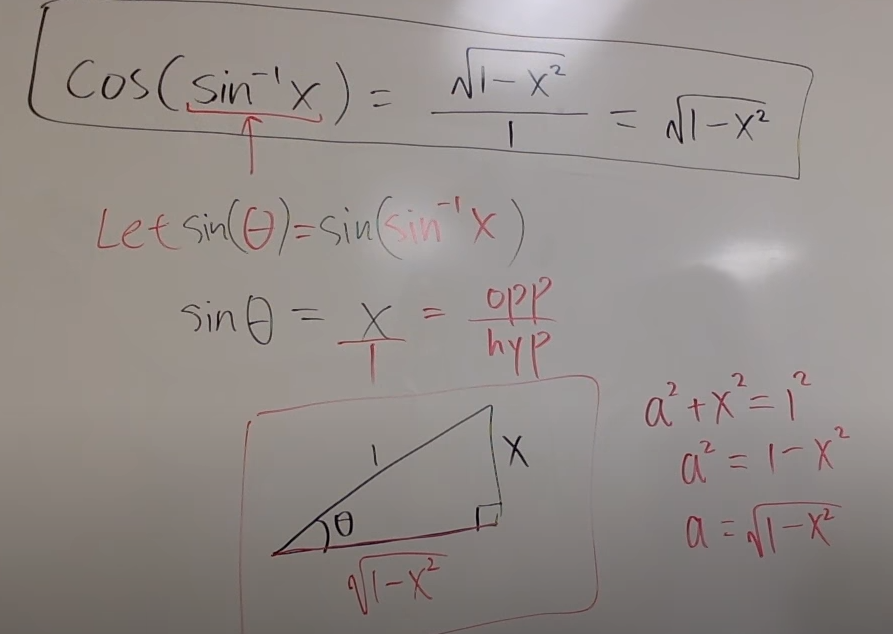
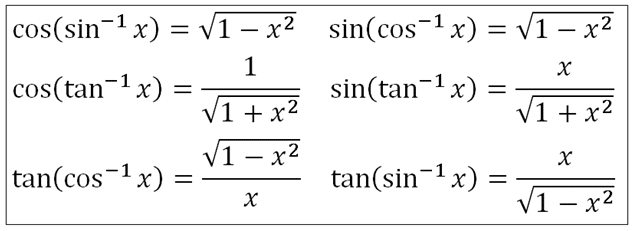
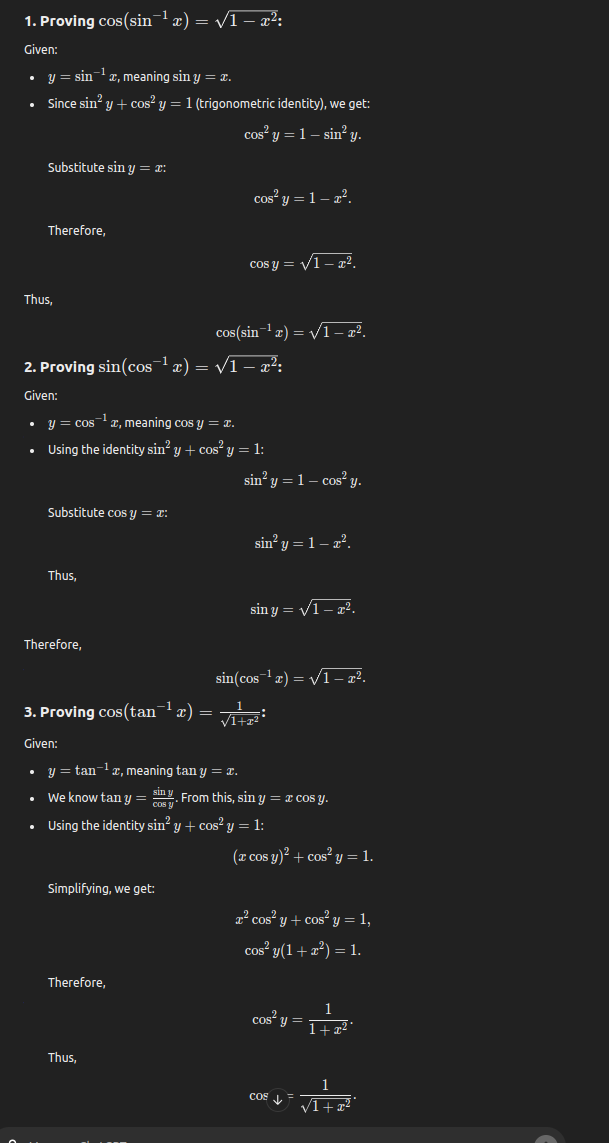
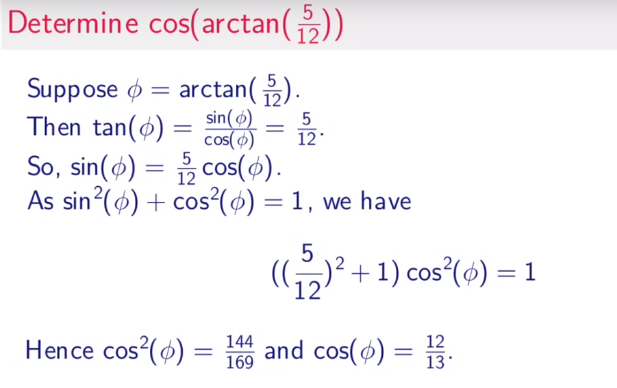
Inverse functions of sin, cos and tan
Exponential and Logarithmic Functions
Logarithmic Equations
Differentiation of Exponential Functions
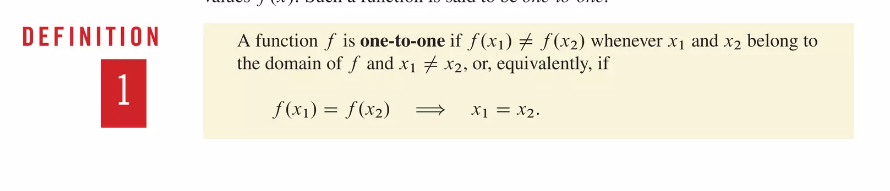
one to one: unique x→y pair
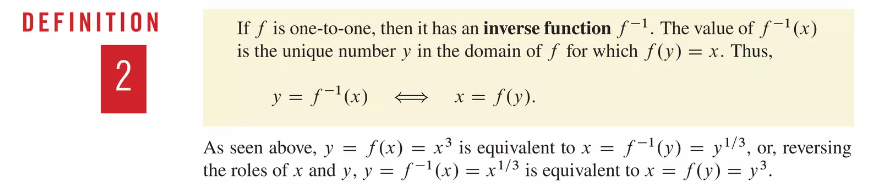
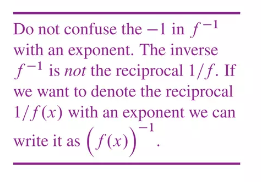
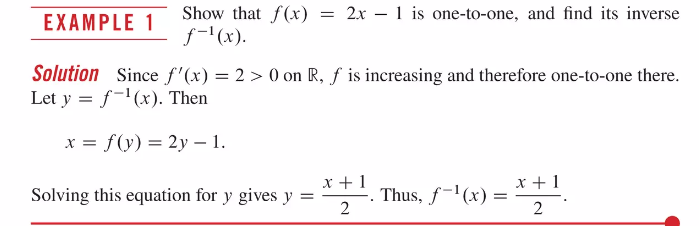
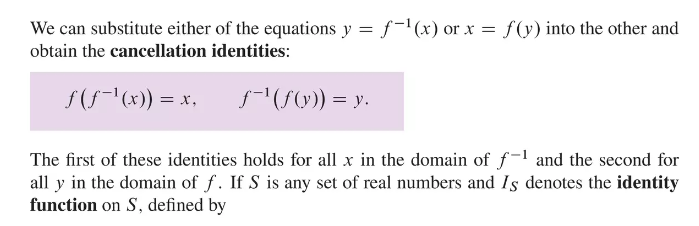
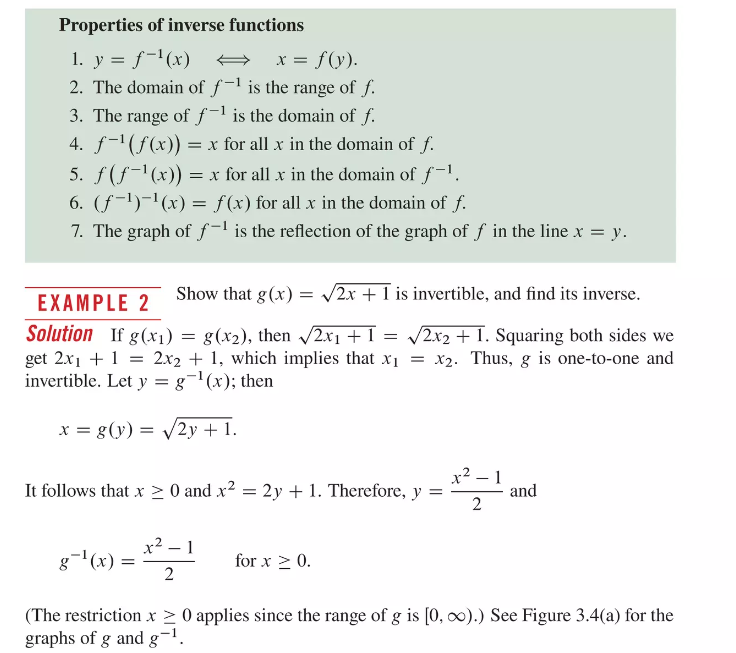
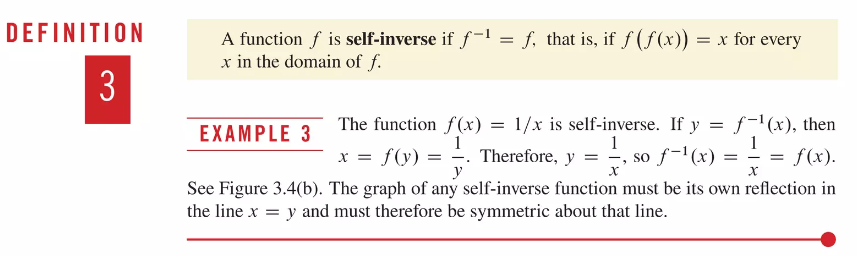
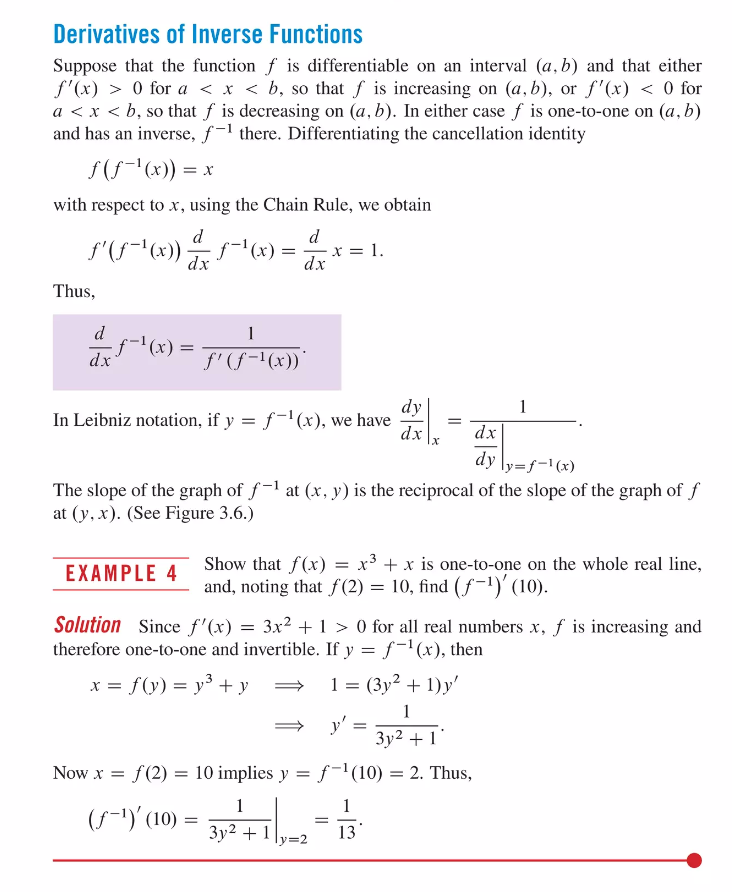
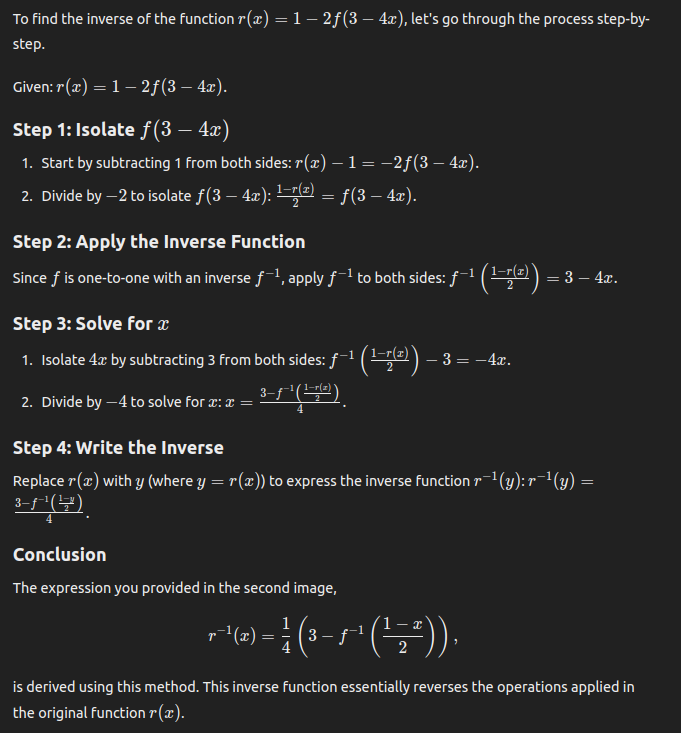
- for a function to be invertible it must be one to one. (think graphically).
- A function is a one to one if its derivative is always positive for all x.
- if not one to one you can restrict to domain which makes it one to one and find inverse.
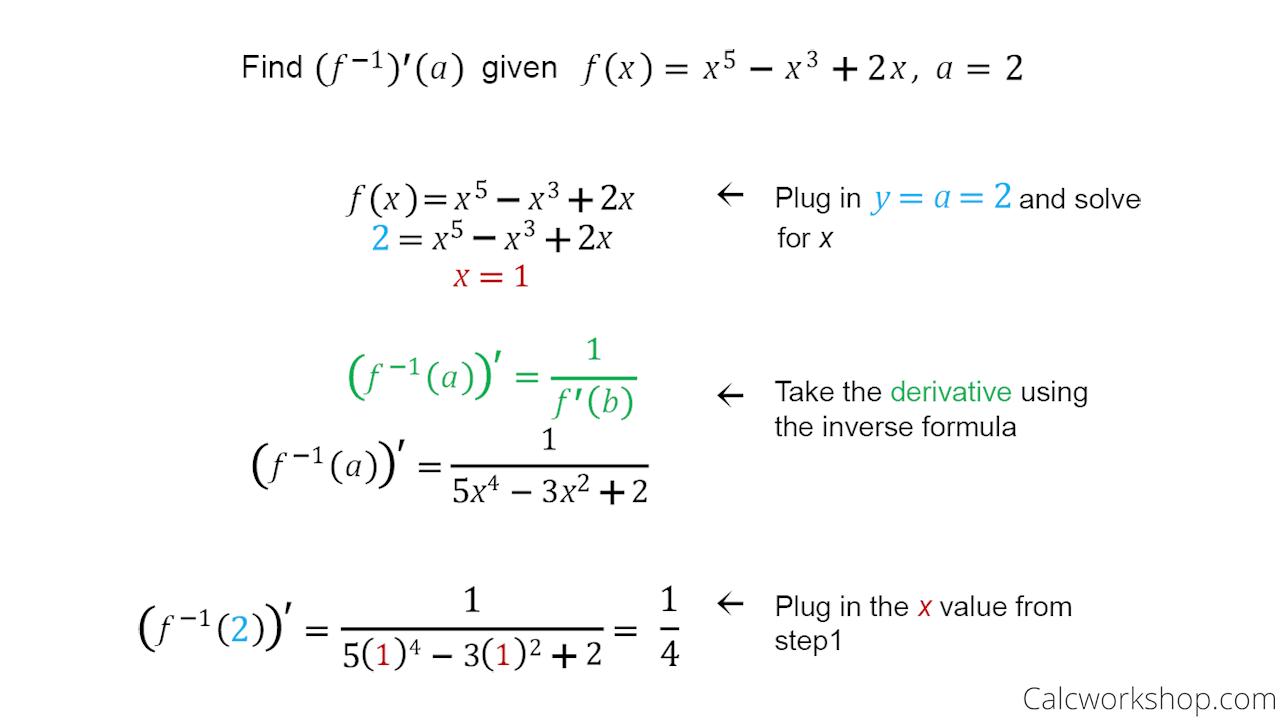
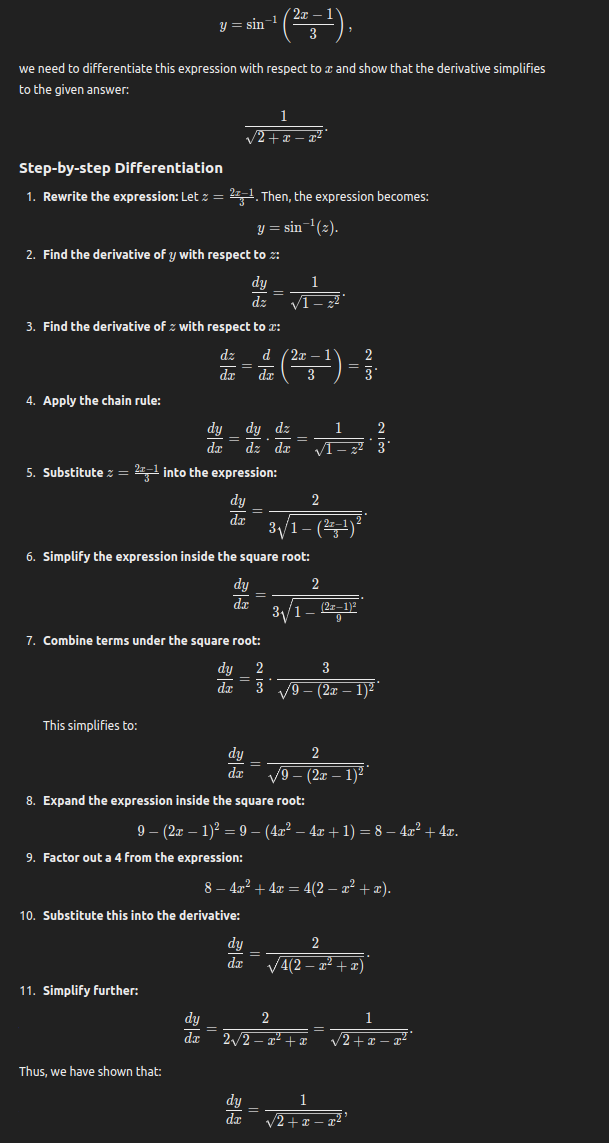
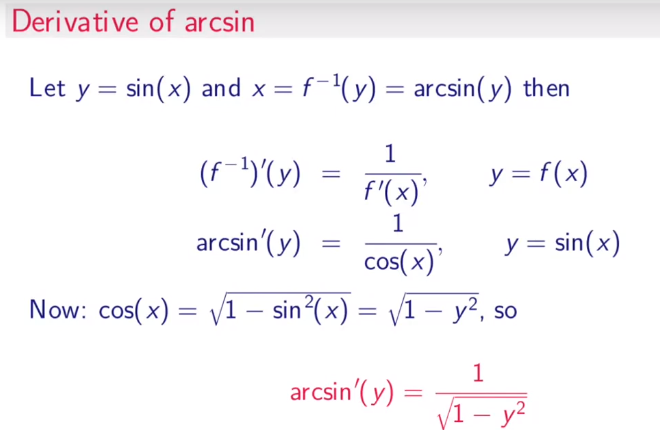
- Think of implicit differentiation to find derivative of inverse function
- to prove a function is one to one you can use a derivative

Tangent
,
⇒
⇒
⇒
- image/range of a function is a set of solutions it can produce.
is a strictly increasing function
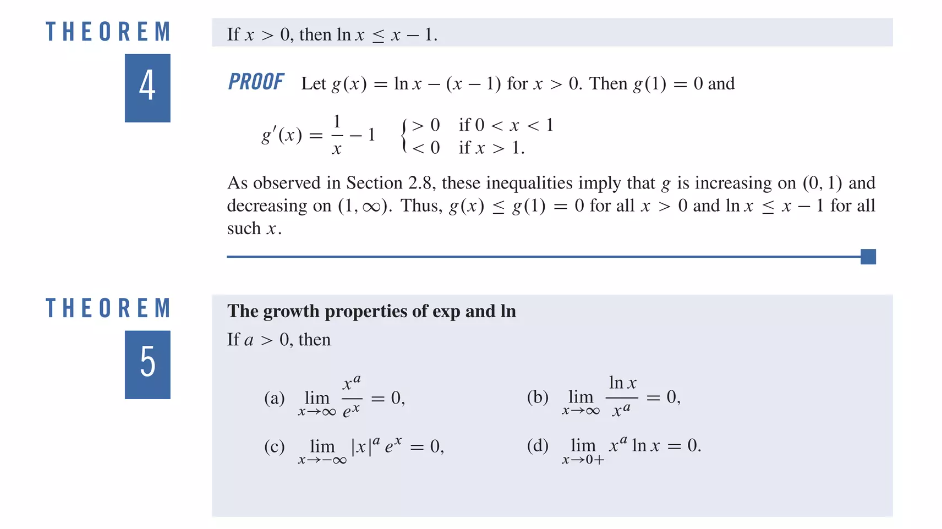
Growth Properties of Exp & In
but power beats logarithm, loses to exponential
Integration
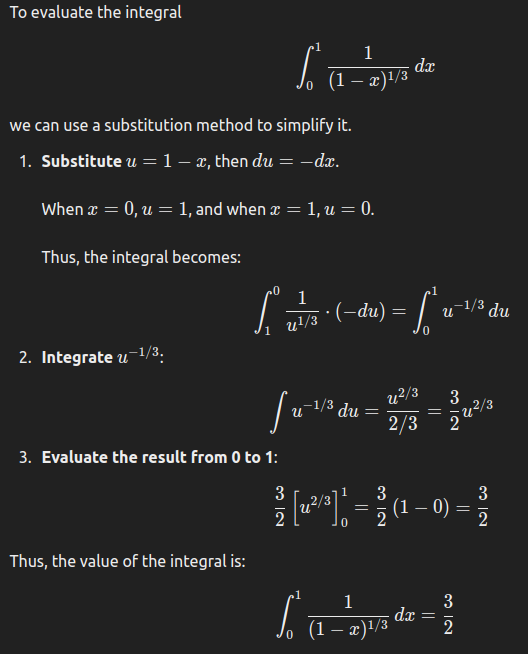
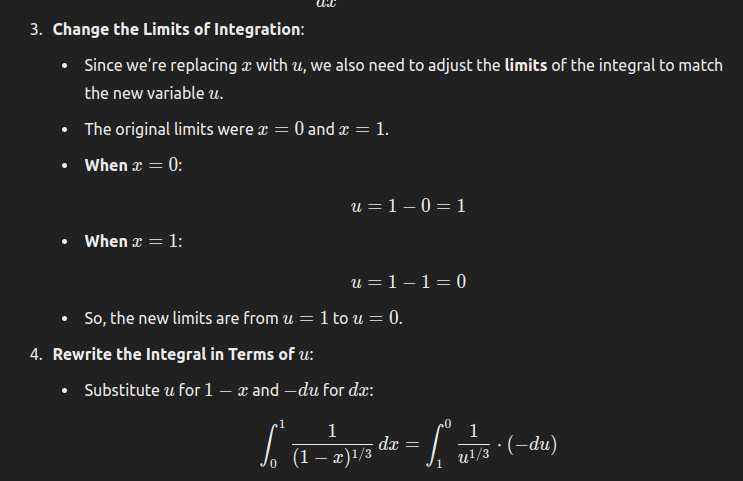
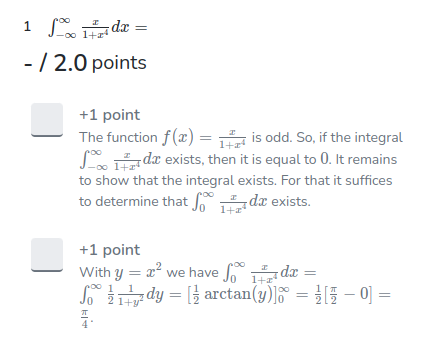
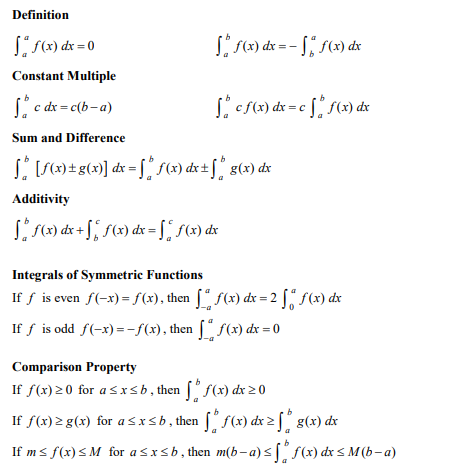
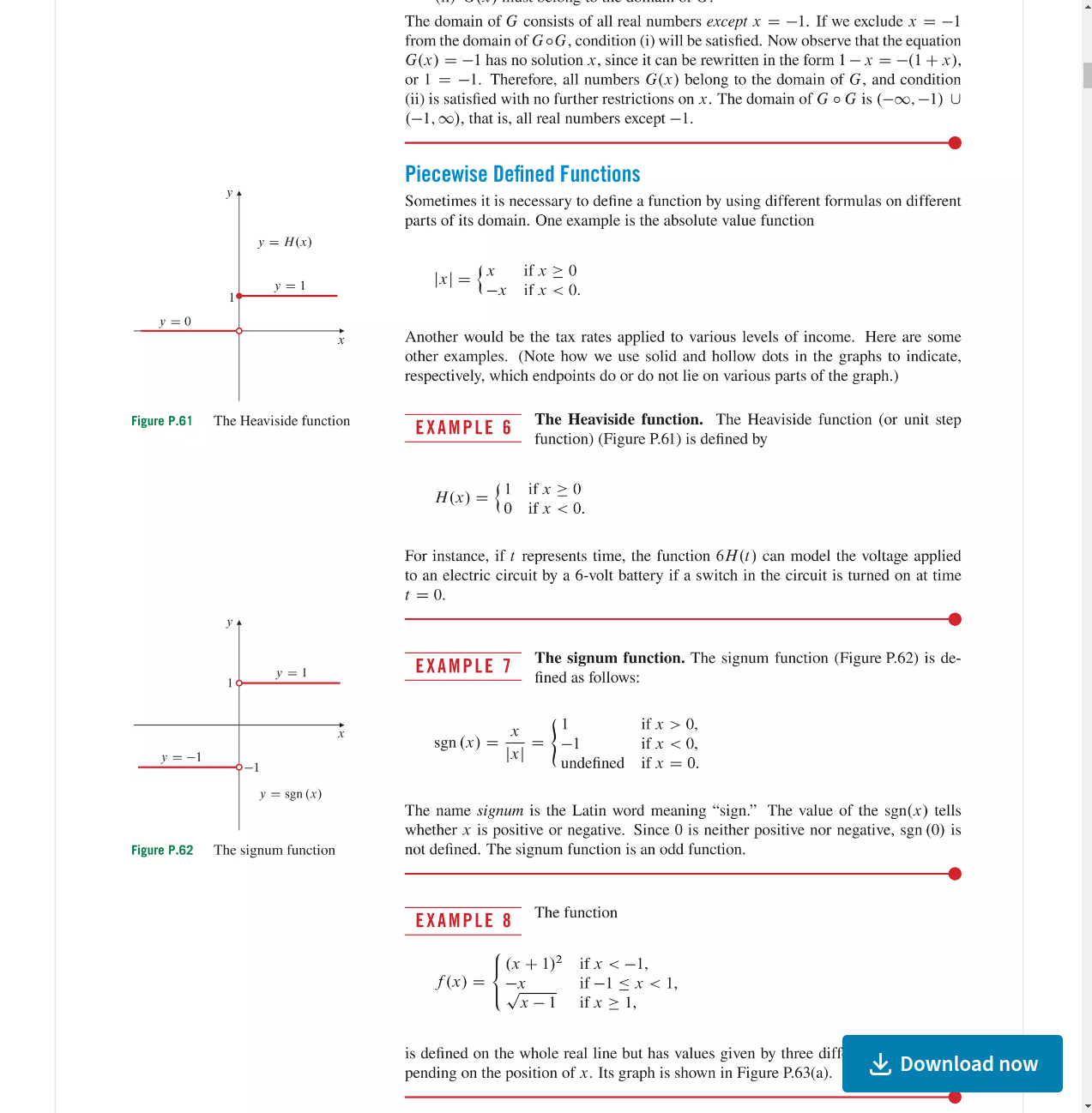
piecewise means not continuous functions.
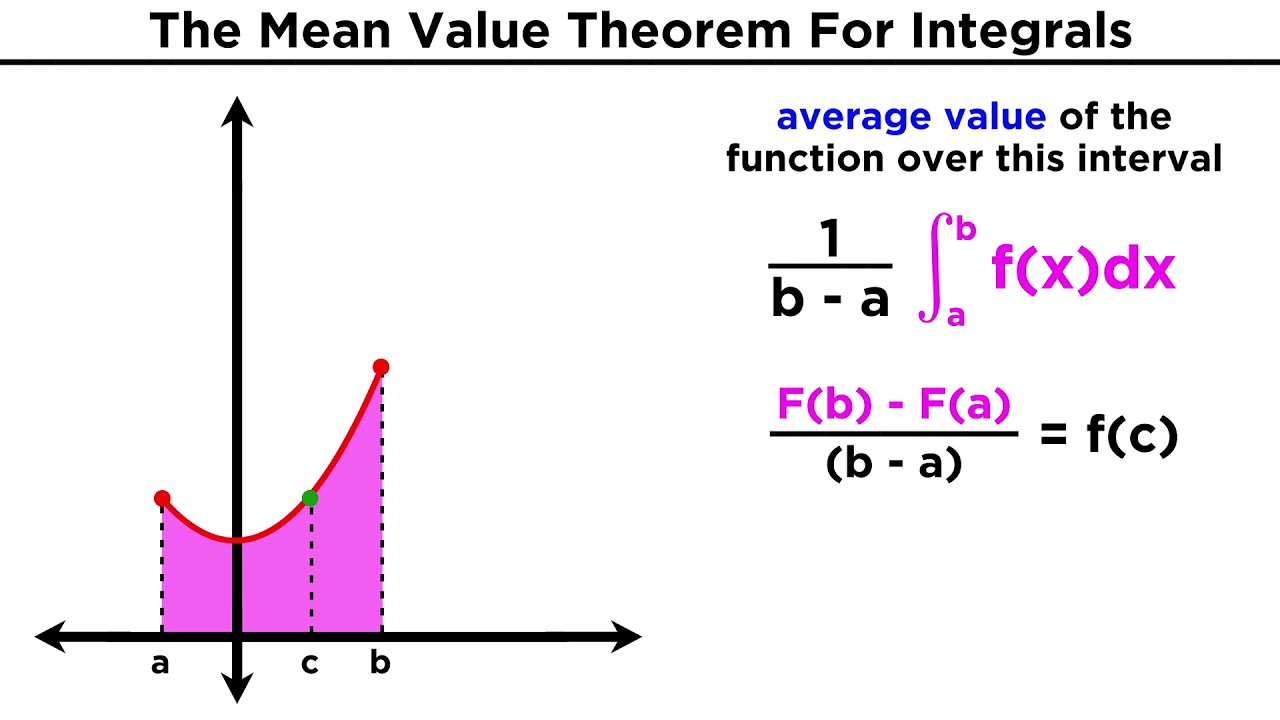
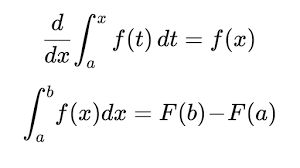
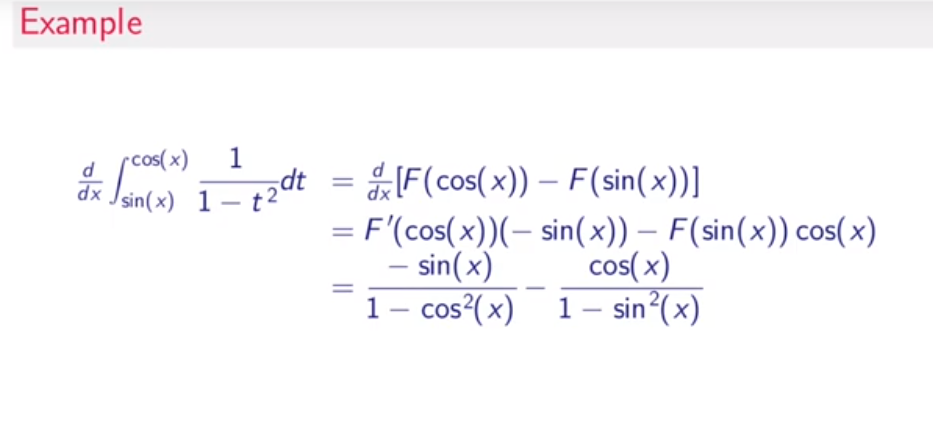
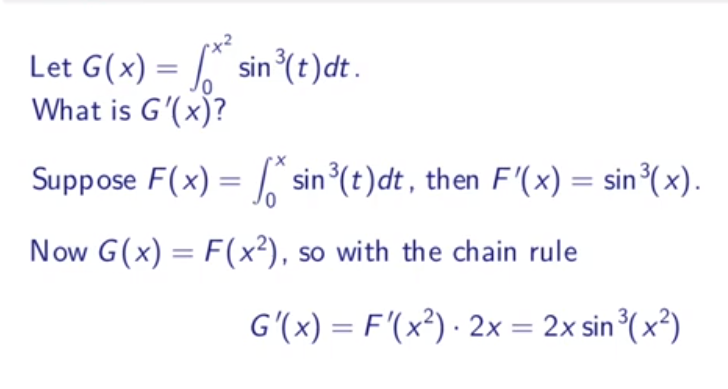
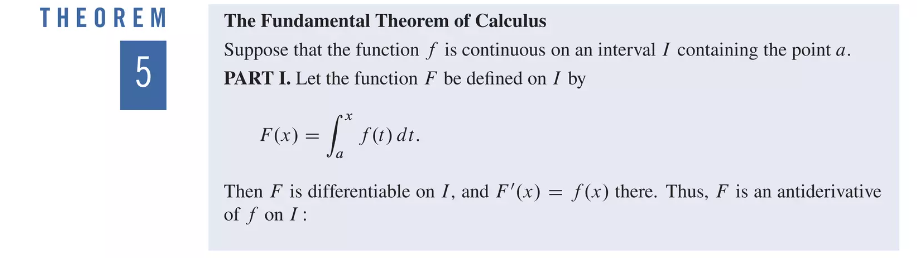
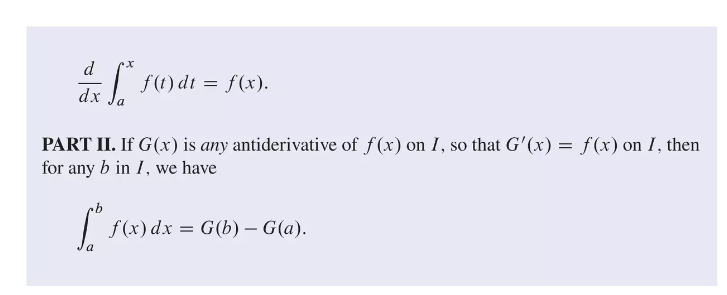
Fundamental Theorem of Calculus Example
since
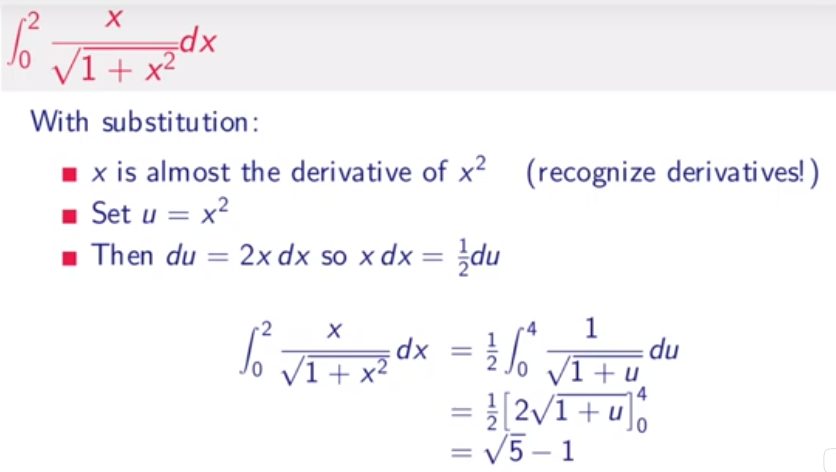
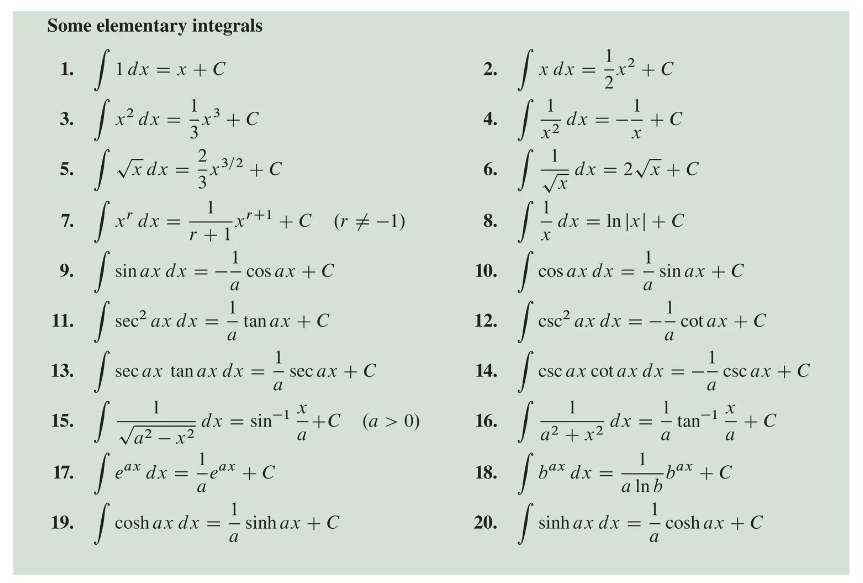
- Another substitution example
so
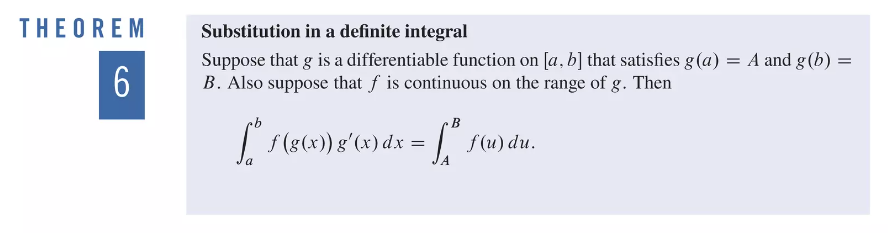
Steps for Integration by Substitution - Inverse of Chain Rule
Replace
by
Replaceby
Take care of remainingby rewriting them in terms of
Boundaries forboundaries for you can keep the boundaries as in terms of
but must indicate that
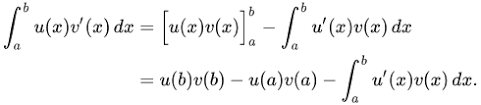
Integration by Parts - Inverse of Product Rule
⇒
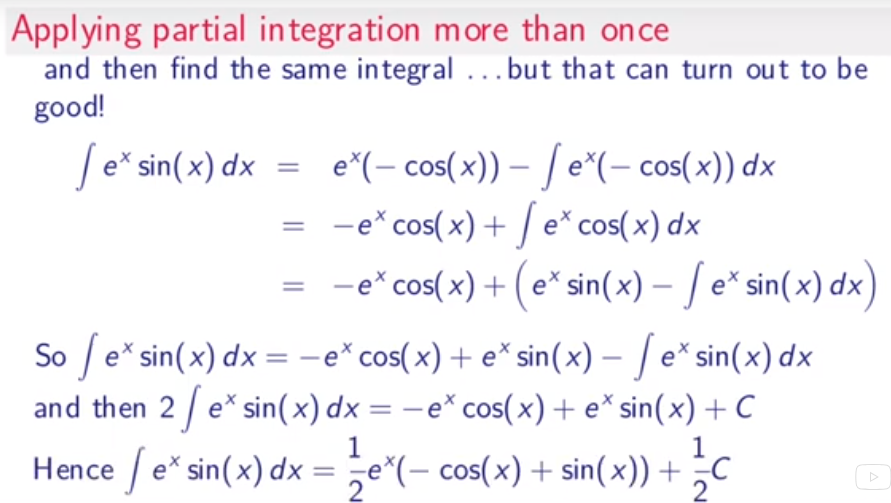
- you can take partial integration more than once.
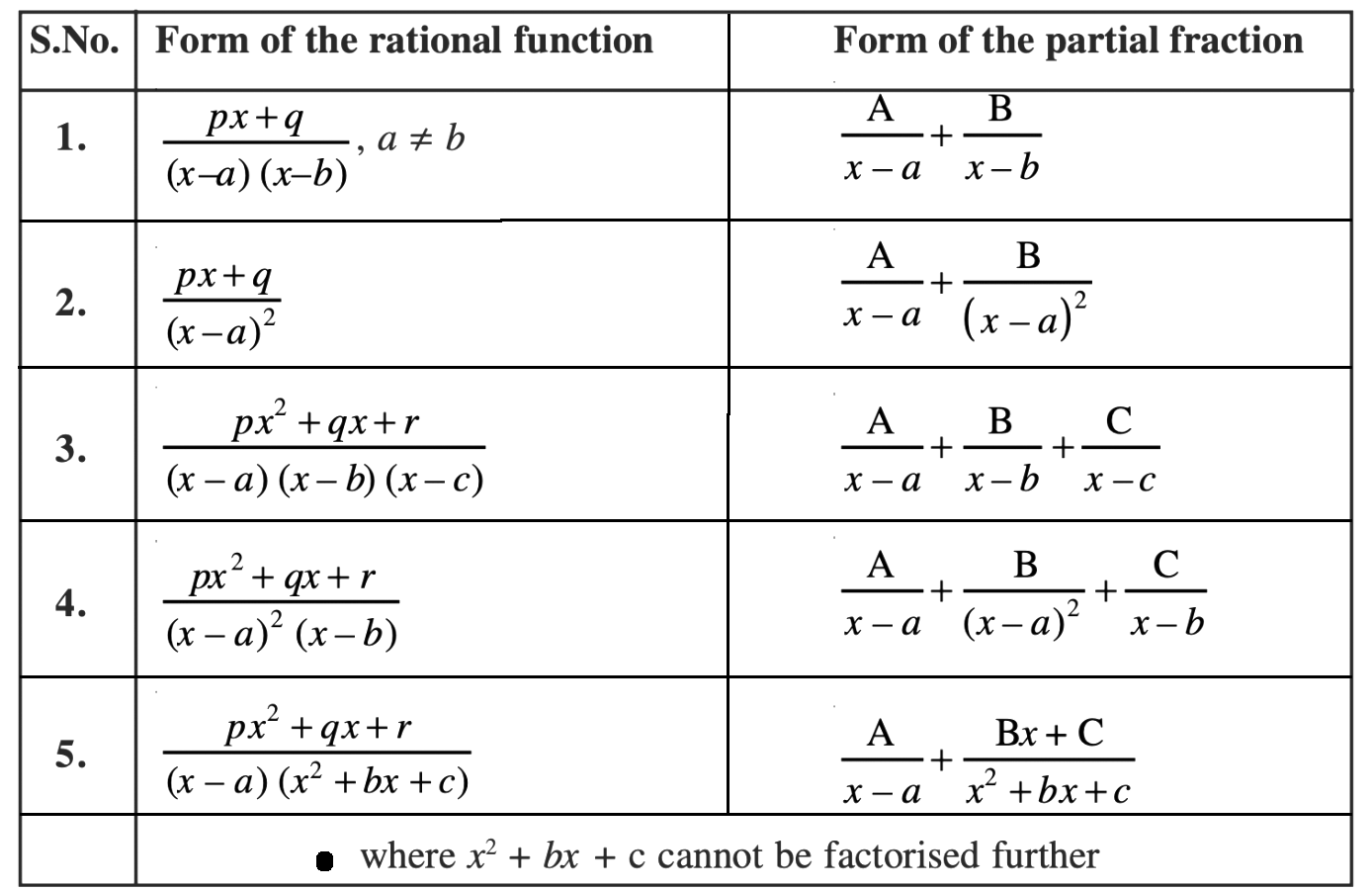
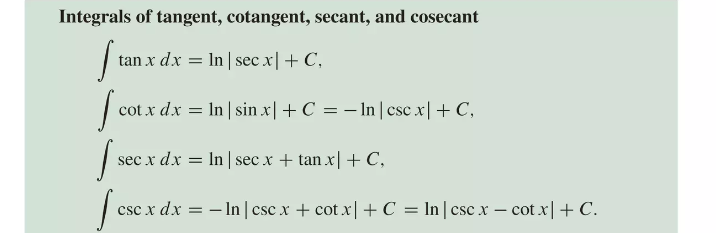
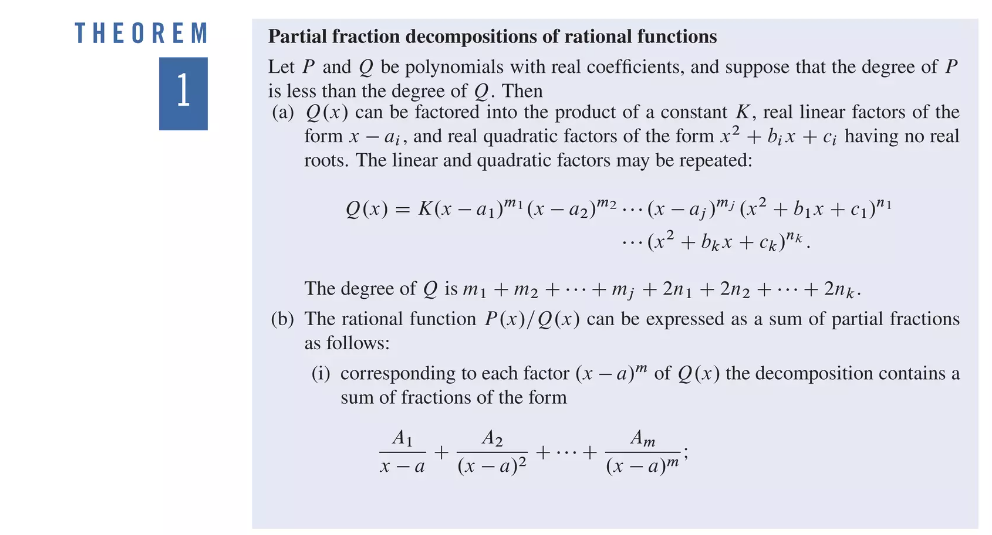
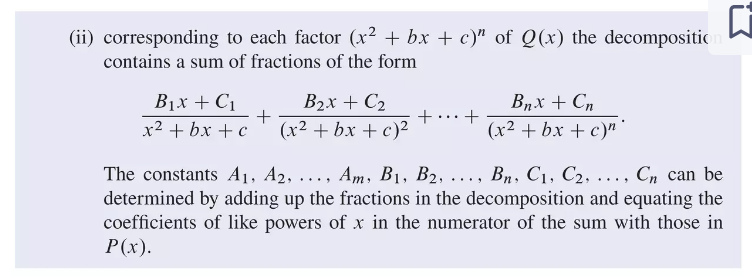
Integration of Rational Functions
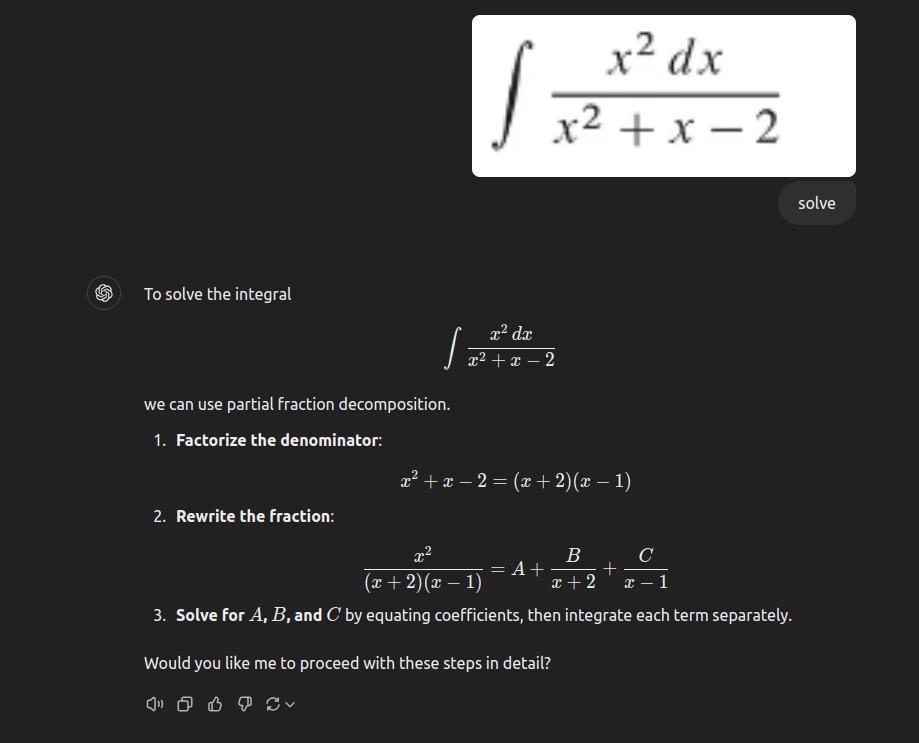
- First long division such that degree of numerator < degree denominator
- Factor denominator in linear / quadratic factors (only possibilities!)
- Decompose fractions into easier ones or complete the squares
- Find anti-derivatives for separate terms
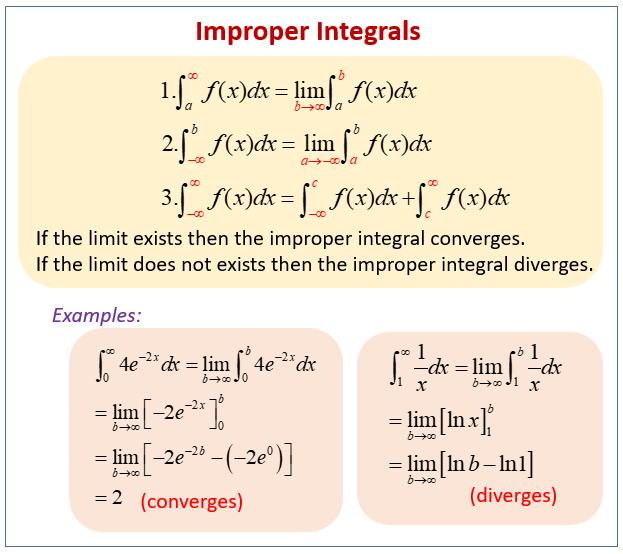
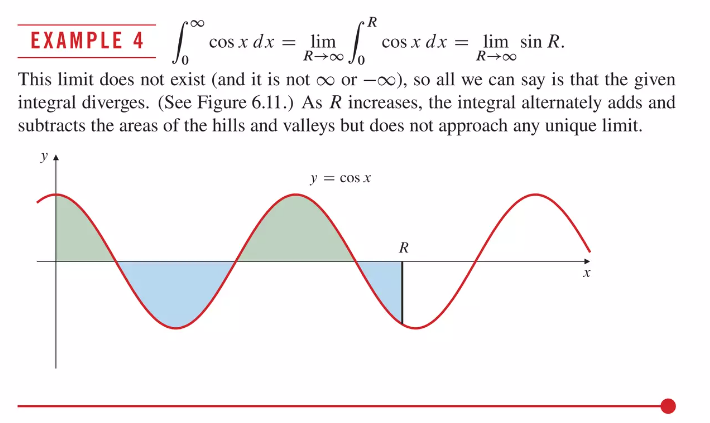
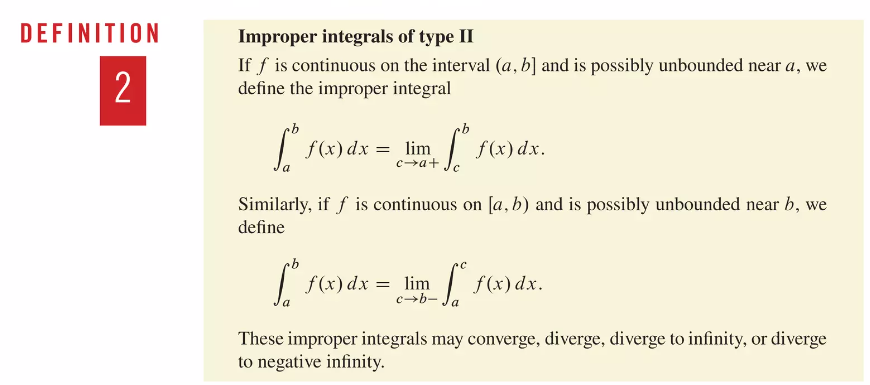
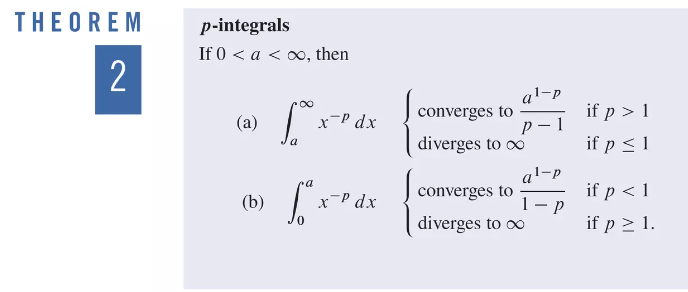
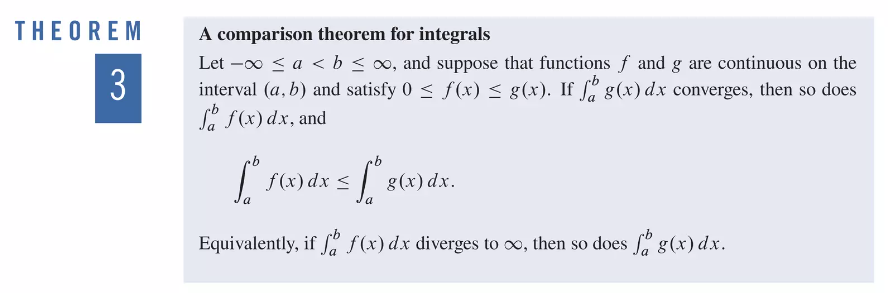
Improper Integral Example
doesn’t exist so:
ifconverges then so does
ifdiverges then so does
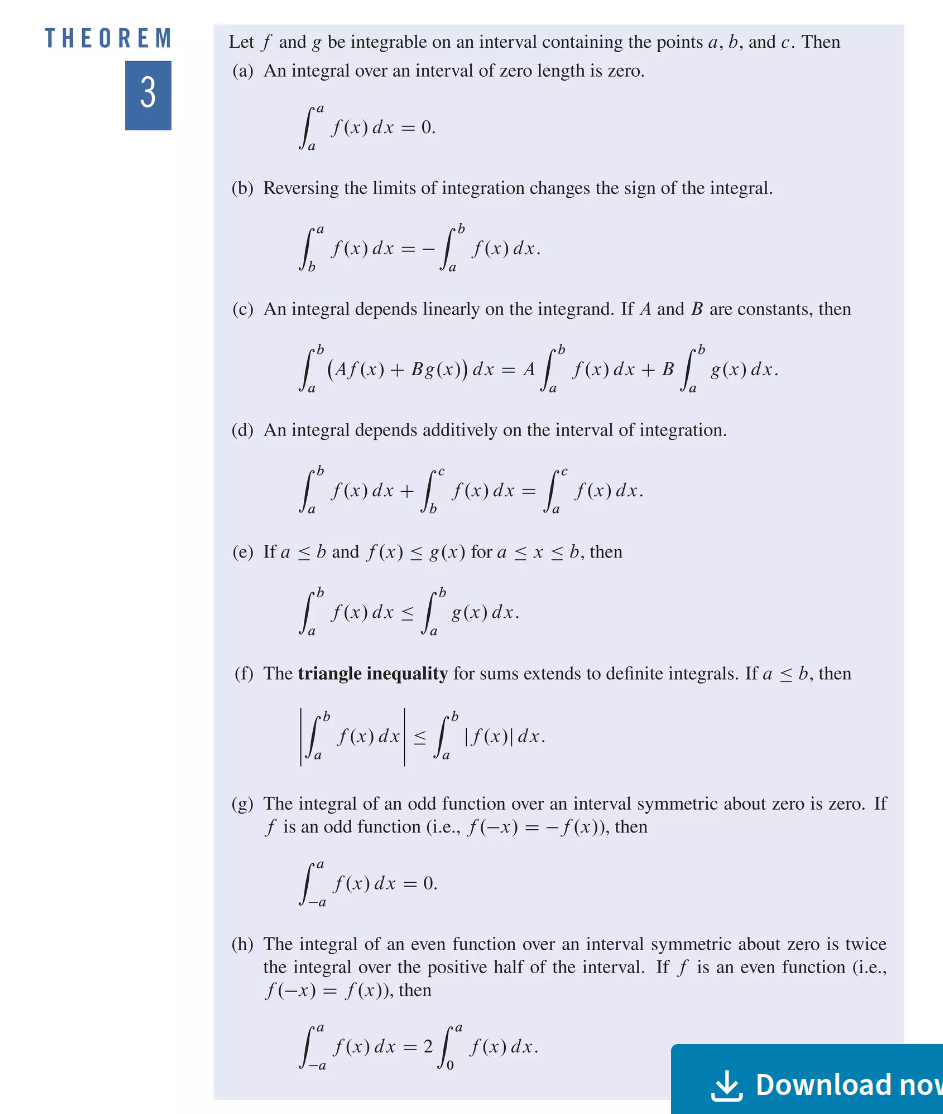
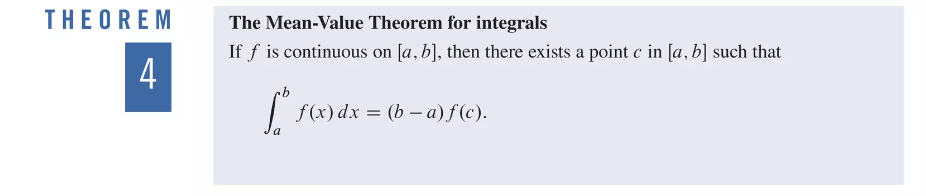
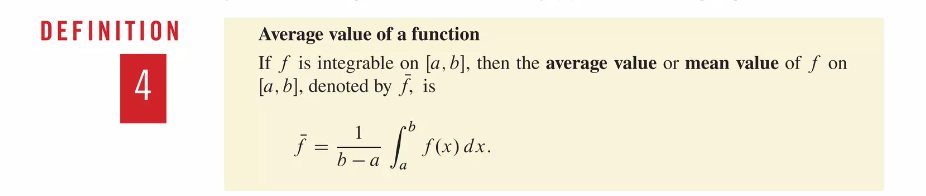

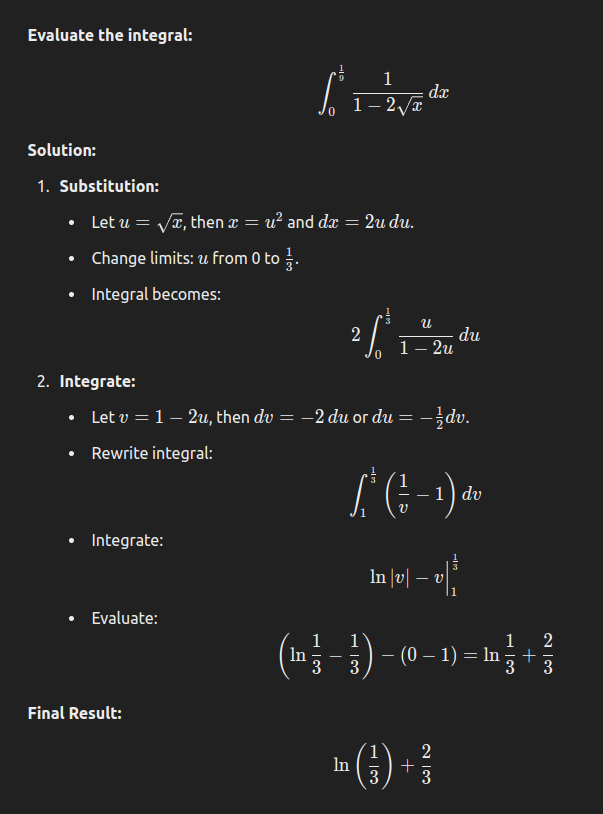
Differential Equations
Topic: Differential Equations
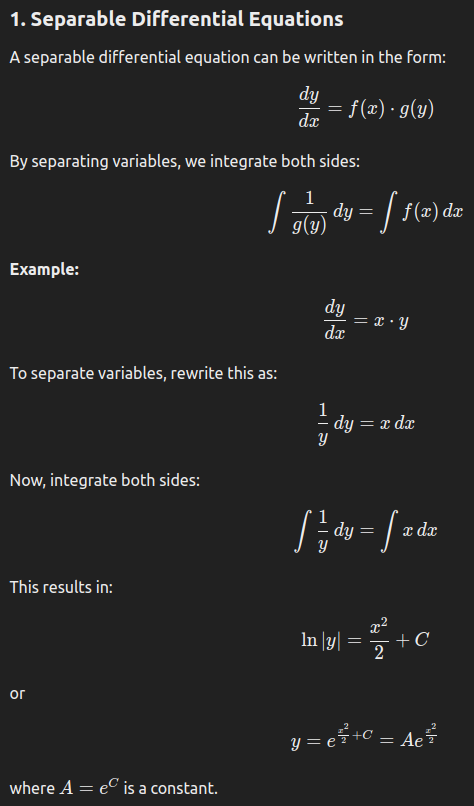
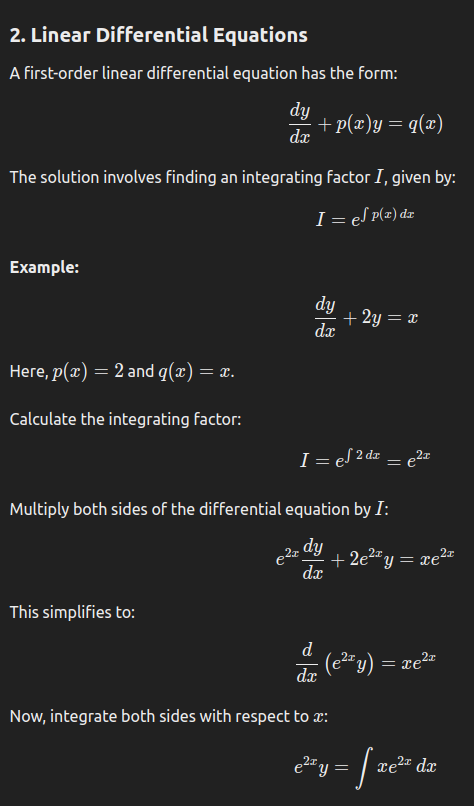
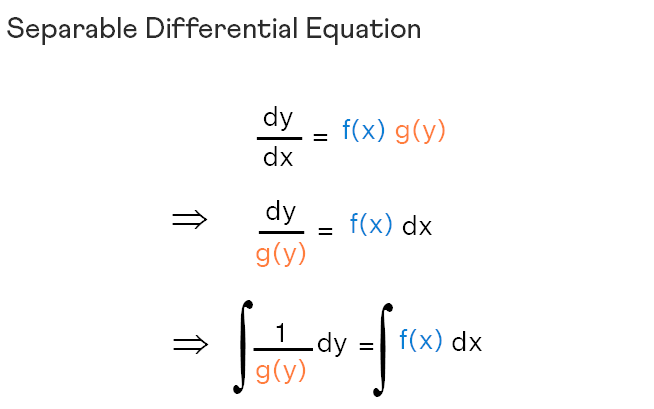
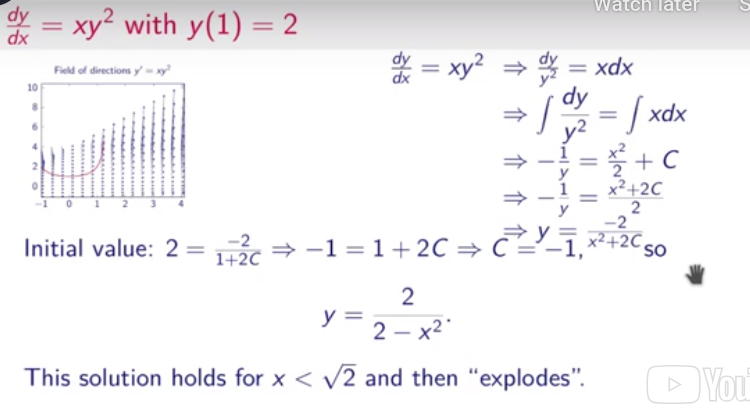
put constant only on one side
If f(x) in differential equation is equal to zero, it is said to be a homogenous. Otherwise, it is non-homogenous. An example of a homogenous differential equation is the second-order linear ODE mentioned above, while an example of non-homogenous differential equation is

first order linear differential equation:
First-Order Linear Equations
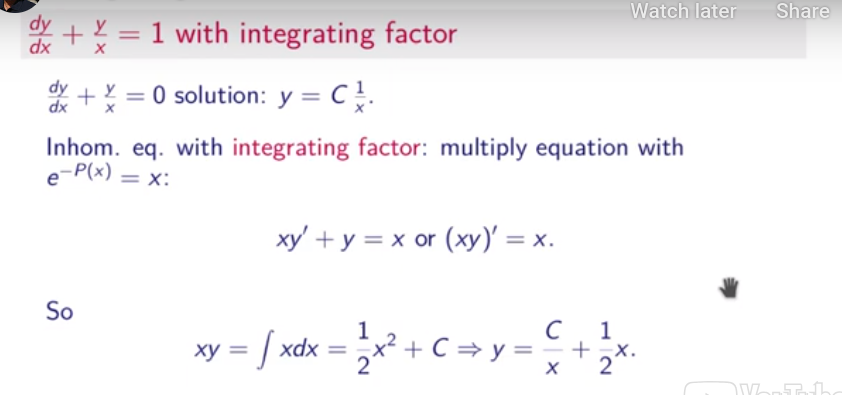
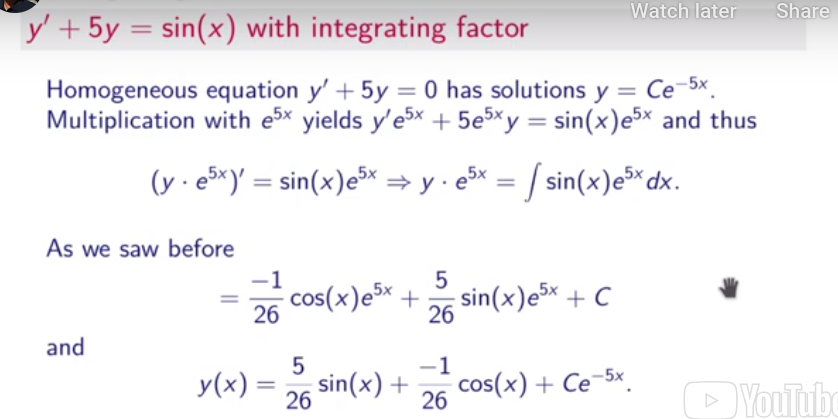
solved by:where and Integration Factor:
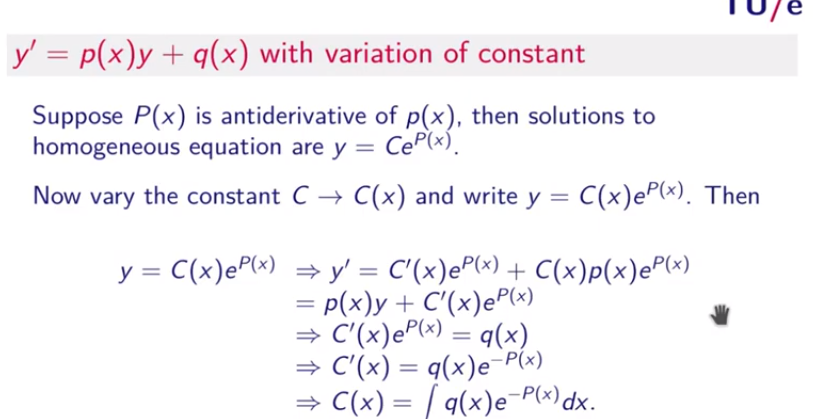
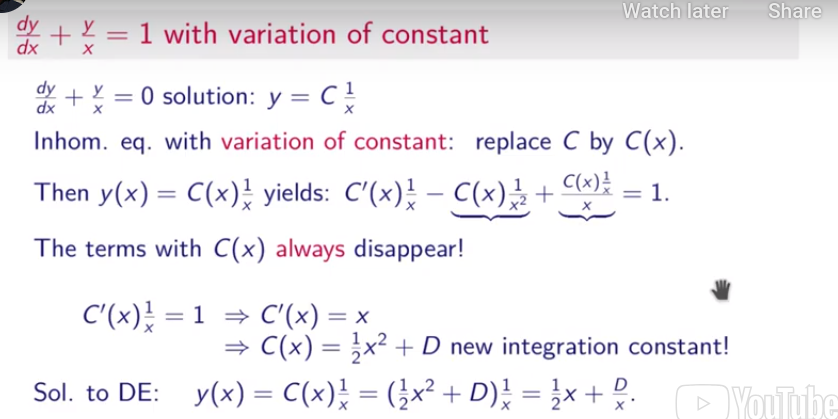
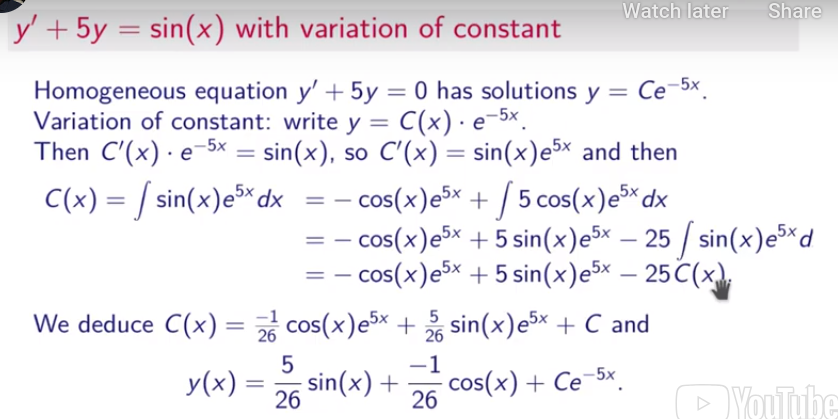
Variation of the Parameter:
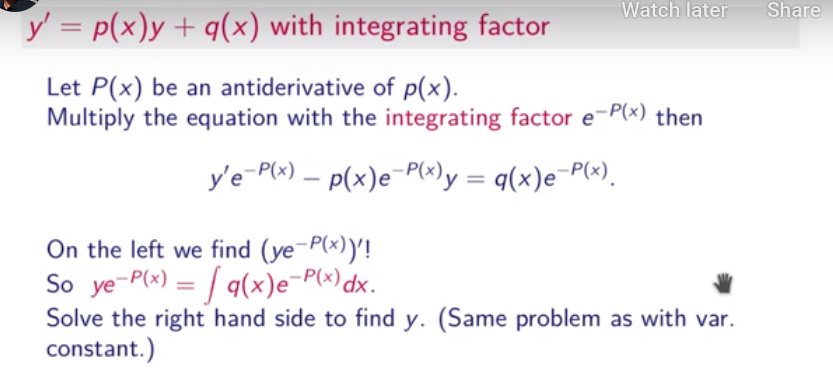
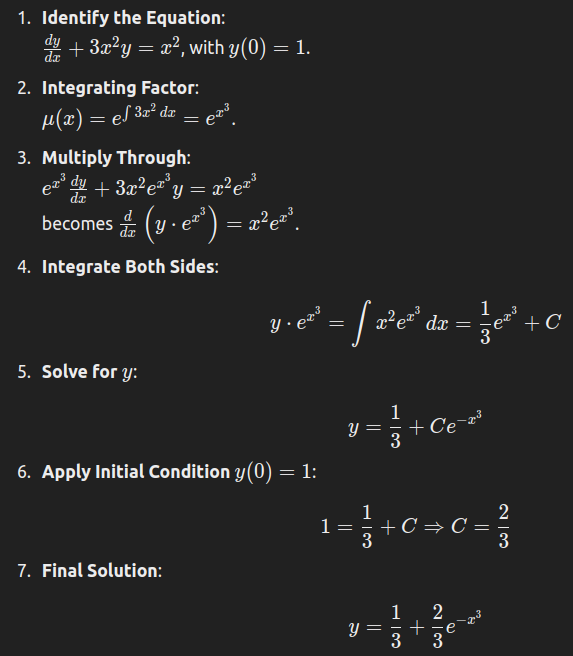
Integrating Factor: Multiple the equation by